How to Evaluate Kayak Guides Before You Book
September 19, 2026
Choosing Kayak Expeditions Beyond the Usual Tour
September 23, 2026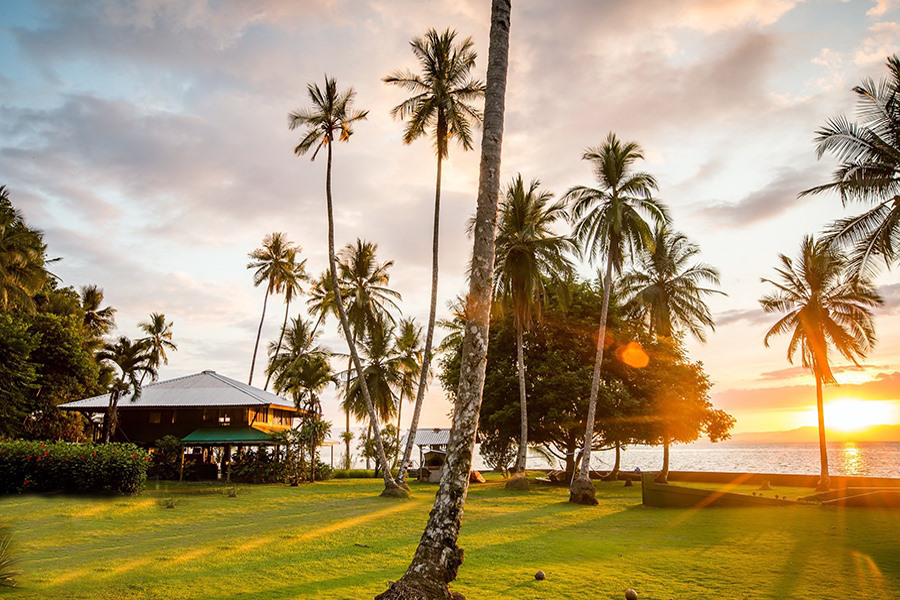
A great tropical lodge should earn its setting. It should put you close enough to hear howler monkeys at first light, watch a frigatebird circle over the bay, and paddle toward a shoreline that has no road behind it. The top tropical ecolodge destinations are not simply beautiful places with solar panels. They are wild, water-connected regions where a well-run lodge makes deeper exploration possible without turning the landscape into a backdrop.
For active travelers, the best choice depends on the experience you want between paddling days. Some destinations deliver calm, protected water and a comfortable lodge each night. Others ask for more expedition spirit, rewarding you with remote reefs, Indigenous culture, or rainforest wildlife few visitors reach. Here are eight destinations that stand out for travelers who want their tropical escape to feel genuinely earned.
What Sets Top Tropical Ecolodge Destinations Apart
An ecolodge label alone is not a guarantee of a meaningful trip. The strongest properties are integrated with their location: locally staffed, thoughtfully built, careful with water and waste, and connected to guides who know the tides, wildlife patterns, and communities around them. Just as important, they give you access. A lodge perched over a crowded beach may be comfortable, but it is not necessarily an expedition base.
For sea kayakers, look for protected launch sites, short transfers to varied paddling routes, reliable safety systems, and guides capable of adapting to wind, weather, and group ability. The experience should feel adventurous, not improvised. In tropical environments, those are very different things.
1. Golfo Dulce, Costa Rica
Golfo Dulce is one of Central America’s great paddle-in wilderness corridors. This deep, sheltered gulf on Costa Rica’s southern Pacific coast is bordered by dense rainforest, quiet beaches, and the rugged landscapes of the Osa Peninsula. It is an exceptional choice for travelers who want to cover real ground under their own power while returning to comfortable, nature-focused lodging.
Wildlife is part of the daily rhythm here. Scarlet macaws cross the canopy, monkeys move through shoreline trees, dolphins may surface offshore, and humpback whales visit seasonally. The water is often protected enough for capable beginners to enjoy with expert instruction, although conditions can still change quickly. A guided lodge-to-lodge itinerary is the smart format: you paddle with only what you need, while the operational details, safety planning, and overnight logistics are handled by a seasoned team.
This is the right destination for travelers who want rainforest immersion without giving up a hot shower, excellent local meals, or a well-organized route.
2. Tortuguero, Costa Rica
Tortuguero is less about crossing open water and more about moving quietly through a living rainforest. A maze of canals, lagoons, and slow-moving waterways runs between the Caribbean coast and dense lowland forest. Kayaks are ideal here because they travel with minimal disturbance, often bringing paddlers within close range of birds, caimans, monkeys, iguanas, and river turtles.
The biggest advantage is the wildlife density. A skilled naturalist guide can turn a seemingly still riverbank into a field lesson in tropical ecology, pointing out camouflaged reptiles, distant toucans, and the small movements that most visitors miss. Sea turtle nesting seasons add another layer of significance, though sightings are never something a responsible operator should promise.
Tortuguero suits travelers who prefer flatwater paddling, patient wildlife observation, and a strong rainforest focus. Humidity, rain, and insects are part of the deal. Bring the right layers and embrace the fact that this place feels wild because it is wet, green, and very much alive.
3. San Blas, Panama
The San Blas archipelago offers a different kind of tropical expedition: low coral islands, clear Caribbean water, reef snorkeling, and meaningful time in the homeland of the Guna people. With hundreds of islands scattered along Panama’s northeast coast, the region has the scale for true island-to-island travel while still offering sheltered paddling routes in many conditions.
The cultural dimension matters. San Blas is not an empty collection of postcard beaches. It is an autonomous Indigenous territory with its own customs, communities, and rules for visitors. Traveling here well means choosing an operator that works respectfully with local hosts, communicates expectations clearly, and treats cultural encounters as relationships rather than attractions.
Accommodations can be simpler than upscale rainforest lodges, and that is part of San Blas’s appeal. You come for the feeling of being far from traffic, resort strips, and crowded marinas. Days are shaped by tides, trade winds, snorkeling stops, and the next island on the horizon.
4. Bocas del Toro, Panama
Bocas del Toro combines Caribbean color with a more developed travel infrastructure than San Blas. The island chain has mangrove channels, coral reefs, surf beaches, and pockets of lush forest, making it a strong option for travelers who want active days with more restaurant and lodging choices at night.
Kayaking here can range from easy mangrove exploration to longer coastal crossings, so route planning matters. Some areas see boat traffic, wind, and afternoon showers that require confident guides and conservative decision-making. The payoff is variety: paddle through quiet mangrove systems in the morning, snorkel a reef in the afternoon, and settle into an ecolodge or small waterfront property by evening.
Choose Bocas if you want a Caribbean adventure with flexibility and energy. Choose San Blas instead if remoteness and cultural immersion matter more than conveniences.
5. Belize’s Southern Coast and Cayes
Belize offers an appealing mix of tropical paddling, reef access, and English-speaking ease. Along the southern coast and nearby cayes, travelers can explore mangrove lagoons, seagrass flats, small islands, and sections of the Belize Barrier Reef system. Lodge-based trips can combine kayaking with snorkeling, birding, and time in coastal communities.
The destination is especially appealing for travelers who want a relaxed pace without a passive vacation. Water conditions can be forgiving in protected areas, but exposure increases quickly beyond the lee of the islands. A good itinerary builds in weather flexibility rather than forcing a route when trade winds strengthen.
Belize is a strong match for couples and small groups looking for warm water, reef time, and accessible logistics. It is less ideal for travelers seeking the deep rainforest intensity of Golfo Dulce or Tortuguero.
6. The Osa Peninsula, Costa Rica
The Osa Peninsula is often described as one of the most biologically intense places in Central America, and it lives up to the reputation. Here, ecolodges are gateways to primary rainforest, remote beaches, river mouths, and some of the country’s most memorable wildlife viewing. The region demands a little more effort to reach, which helps preserve its character.
Not every Osa lodge is directly suited to sea kayaking, so select your base carefully. The best paddling-focused stays provide safe coastal access, experienced local guides, and realistic routes based on swell and weather. When conditions align, kayaking beneath rainforest-covered slopes is an unforgettable way to understand the scale of the peninsula.
This is a destination for travelers who are willing to trade some polish for authenticity. Roads can be rough, transfers take time, and tropical weather sets the pace. In return, the natural world feels close, loud, and unscripted.
7. Raja Ampat, Indonesia
For travelers willing to go farther, Raja Ampat sets a global standard for marine biodiversity. Its limestone islands, turquoise lagoons, and coral-rich waters make it a spectacular base for paddling and snorkeling. Remote ecolodges in the region often rely on local boats and guides to reach launch points, hidden coves, and reef systems.
The trade-off is logistics. Getting there involves long-haul flights, regional connections, and a higher tolerance for travel complexity. Conditions can also vary significantly between islands and seasons. This is not a casual add-on to a city break.
But for experienced adventure travelers with time to commit, Raja Ampat delivers a rare combination of world-class underwater life and dramatic tropical scenery. It is best approached as a focused expedition, not a rushed vacation.
8. The Nicoya Peninsula, Costa Rica
Costa Rica’s Nicoya Peninsula is a practical choice for travelers who want a tropical paddle vacation with easier arrivals and departures. Coastal lodges and small eco-minded properties can pair kayaking with snorkeling, yoga, surfing, and time on quieter Pacific beaches. It does not offer the same remoteness as Golfo Dulce, but that accessibility is valuable for shorter trips or first-time adventure travelers.
The key is avoiding the busiest resort zones and choosing a base with access to less-developed coves, estuaries, or island routes. Dry-season winds can shape the day’s plan, while rainy season brings greener landscapes and fewer crowds. A guide who knows the local patterns will make the difference between merely getting on the water and having a genuinely memorable route.
Choose the Destination That Matches Your Expedition Style
Start with the paddling you want to do. Golfo Dulce and San Blas are strong choices for multi-day, point-to-point exploration. Tortuguero favors wildlife-rich flatwater routes. Belize and Bocas del Toro work well for travelers who want frequent snorkeling and more flexible lodging options. The Osa Peninsula and Raja Ampat reward those willing to accept more complex logistics for a deeper sense of remoteness.
Then consider how much comfort you need after a full day outdoors. There is no wrong answer. A lodge-to-lodge trip with dependable meals, dry bags, quality kayaks, and professional guides can make a remote region feel accessible. A simpler island camp may offer the stronger feeling of being far beyond the usual travel circuit.
The best tropical ecolodge destination is the one that gets you into the landscape safely, respectfully, and often enough that you stop checking the time. When the day’s route is set by wind, tide, wildlife, and the next quiet shoreline, you are exactly where you came to be.