8 Top Tropical Ecolodge Destinations to Paddle
September 21, 2026
Rainforest Coastal Adventure Itineraries That Work
September 25, 2026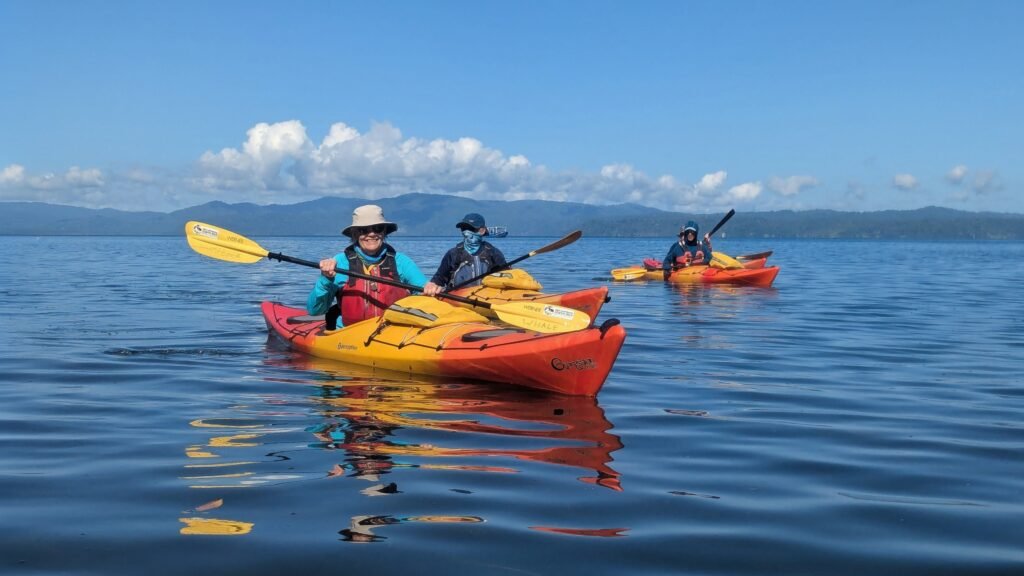
A reef shark slips beneath a clear Caribbean surface. Scarlet macaws cross a jungle-lined gulf overhead. By sunset, you pull your kayak onto a quiet beach where the only traffic is a line of hermit crabs. Kayak expeditions create access to places road-based travel cannot reach, but the right trip is far more than a series of scenic paddles.
For active travelers, a multi-day sea kayaking journey can be the most rewarding way to experience Costa Rica or Panama. It also asks more of an operator than a standard day tour. Route planning, weather judgment, equipment, camp systems, wildlife ethics, and guide experience all shape whether an expedition feels like a true adventure or an avoidable logistical struggle.
What Separates a True Kayak Expedition From a Day Tour
A day paddle is about getting on the water. An expedition is about moving through a landscape under your own power, with each day building on the last. You travel between beaches, islands, rainforest lodges, coastal villages, and snorkeling sites, carrying only what is needed while a professional team manages the larger operational picture.
That difference changes the experience. Instead of returning to the same launch point after a few hours, you wake to changing shorelines and travel through habitat that most visitors never see. In Golfo Dulce, that may mean paddling beneath rainforest-covered slopes where monkeys and toucans are part of the morning routine. In Tortuguero, the route may lead through narrow waterways alive with caimans, monkeys, and tropical birds. In Panama’s San Blas Islands, paddling becomes a passage through coral-fringed islands and Guna culture.
A strong expedition balances physical activity with time to absorb the destination. The best days are not measured only in miles covered. They include a quiet wildlife encounter, a swim off a remote beach, a conversation with a local host, or the satisfaction of reaching camp after a purposeful day on the water.
Choose the Destination Before You Choose the Difficulty
Many travelers start by asking whether they are fit enough for a sea kayaking trip. That matters, but destination should come first. Tropical coastlines and waterways deliver very different experiences, and each has its own rhythm.
Costa Rica’s Golfo Dulce is a prime choice for paddlers who want a remote Pacific setting with warm water, lush rainforest, and a lodge-to-lodge format. Protected waters often make the gulf more approachable than an exposed open-ocean route, while the surrounding Osa region brings serious biodiversity. It is a compelling fit for travelers who want comfort at the end of an active day without losing the feeling of being far from the usual tourist circuit.
Tortuguero suits travelers drawn to wildlife and rainforest immersion. The focus shifts from broad coastal crossings to a rich network of lagoons, rivers, and canals. This is a place for patient observation: a flash of a kingfisher, a three-toed sloth in the canopy, ripples that reveal a caiman near the bank. Paddling is still active, but the pace is shaped by the ecosystem.
San Blas, Panama, offers a different kind of expedition. Here, low islands, turquoise water, snorkeling, and cultural encounters with the Guna people combine into a Caribbean adventure. Conditions can vary more across open stretches of water, so the route and daily timing matter. For travelers who want island camping, marine life, and a strong sense of place, it is hard to match.
How Much Experience Do You Really Need?
You do not need to be an elite paddler to enjoy guided kayak expeditions. You do need a realistic understanding of what multi-day travel requires. A beginner with good general fitness, a willingness to learn, and a positive attitude can often thrive on a carefully designed trip in protected waters. An experienced paddler may be ready for longer distances, more variable wind, or a route with greater exposure.
The key is not to confuse kayaking experience with expedition readiness. A person who has paddled a recreational kayak a few times may still be a great guest if the operator provides instruction, stable sea kayaks, proper fitting, and a route matched to their ability. Conversely, a strong athlete who dismisses heat, wind, hydration, or group pacing can have a harder time.
Expect several hours of activity on paddling days, with breaks for swimming, lunch, wildlife viewing, and shore exploration. Tropical heat adds another variable. A good operator adjusts the plan when conditions call for it, starting early, using sheltered routes, or changing the day’s objective rather than forcing a schedule.
The Questions Worth Asking Before You Book
Ask how many hours guests typically paddle each day and whether mileage varies with weather. Find out what happens if someone needs a rest day or cannot paddle for part of the route. Ask about guide-to-guest ratios, safety communication, kayak types, dry bags, rescue training, and the support available in remote areas.
Also ask what the itinerary leaves room for. The most memorable expeditions are organized, not rigid. A guide who knows when to pause for dolphins, a nesting bird, or a sudden tropical downpour turns local knowledge into a better trip.
Safety Is Part of the Adventure, Not a Detour From It
Remote paddling should feel wild, never careless. Professional safety systems give guests the confidence to focus on the experience instead of worrying about every changing cloud or current.
Before launching, a qualified guide team should assess weather, water conditions, group ability, and the day’s route. On the water, guides manage spacing, communication, hydration, navigation, and changing conditions. They should carry appropriate first-aid and emergency equipment, know the local coast or waterways intimately, and have clear plans for evacuation or route changes if needed.
Quality equipment matters just as much. Properly fitted personal flotation devices, dependable sea kayaks, paddles suited to the guest, dry storage, sun protection systems, and communication tools are not luxury details. They affect comfort, energy, and safety day after day.
There is a trade-off here. A fully self-supported adventure can offer maximum independence, but it places navigation, provisioning, rescue preparation, and all decision-making on the paddlers. A guided expedition reduces that burden while preserving the challenge and the sense of discovery. For travelers coming to Central America for a limited vacation, expert support often means spending more time in the landscape and less time solving preventable problems.
Pack for the Tropics, Not for a Catalog Photo
The right clothing is practical, quick-drying, and sun-conscious. A long-sleeve sun shirt, hat with a secure fit, polarized sunglasses with a retainer, lightweight layers, and water sandals or paddling shoes will serve you better than heavy cotton or bulky gear. Bring a reusable water bottle, reef-safe sun protection, and a small dry bag for anything you want close at hand.
Leave room for the realities of expedition life. You may get wet during a landing. Humidity can make a favorite shirt feel permanently damp. Sand finds its way into everything. None of that diminishes the experience. It is part of traveling close to the elements.
For lodge-based trips, packing can be pleasantly simple because you return each evening to a comfortable base. Camping routes require more attention to personal organization, though experienced outfitters handle the major systems and provide clear packing guidance well before departure.
The Best Trips Protect What Makes Them Special
Wild coastlines and rainforest waterways are not scenery to consume. They are living places, often shared with communities whose relationship to the land and sea extends far beyond a visitor’s stay. Responsible kayak travel keeps groups small, gives wildlife distance, minimizes waste, respects local customs, and uses established sites whenever possible.
This is especially meaningful in destinations such as San Blas, where cultural respect is as essential as good paddling technique. Guests should arrive curious, listen more than they assume, and recognize that a cultural encounter is not a staged attraction. It is an opportunity to be welcomed into someone else’s home region.
Sea Kayaking Costa Rica builds its trips around this kind of thoughtful access: small groups, experienced guides, carefully selected routes, and the operational support needed to explore exceptional places with care.
The right expedition will leave you tired in the best way: salt on your skin, stories from the water, and a sharper sense of how much of the world still begins where the road ends.