
How to Choose the Best Costa Rica Multi Sport Tours
November 16, 2026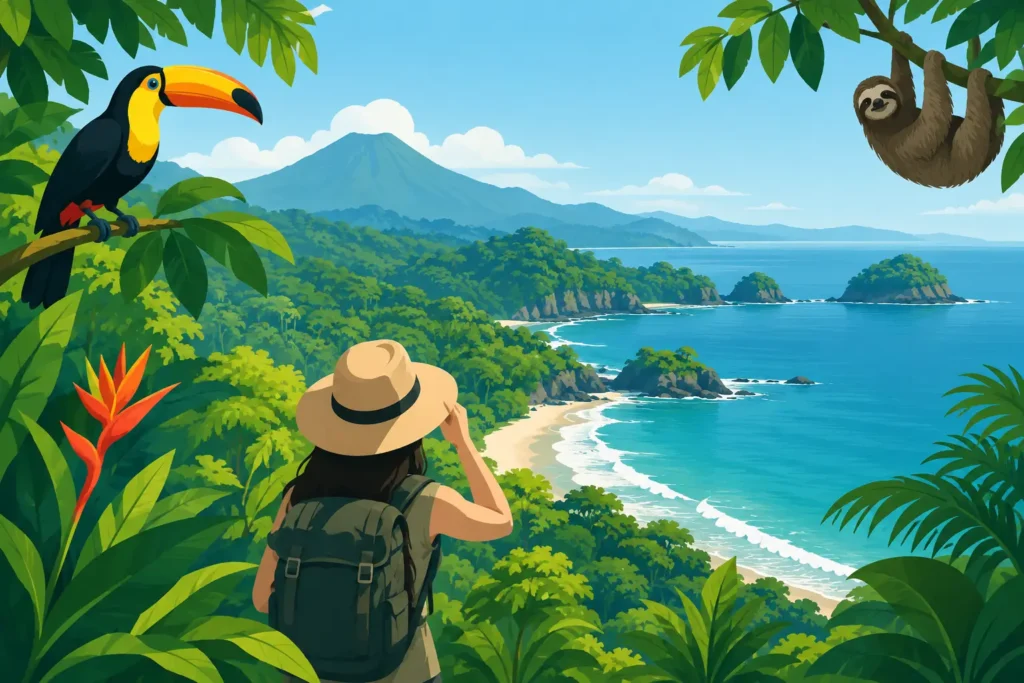
The moment your kayak slips beyond a quiet mangrove channel and into the open Pacific, Costa Rica reveals why it belongs at the top of any active travel list. A Costa Rica rainforest and ocean tour is not a quick stop at a beach followed by a rainforest hike. At its best, it is a fully immersive expedition through connected wild places – where rainforest-covered slopes meet protected gulfs, scarlet macaws fly overhead, and the day’s route is shaped by tides, weather, and wildlife.
For travelers who want more than a resort view of the tropics, sea kayaking offers rare access. You can move quietly along the coast, reach coves without roads, snorkel from remote beaches, and sleep close enough to hear the forest come alive after dark. The right guided trip pairs that sense of discovery with the planning, equipment, and local knowledge needed to travel confidently in remote country.
What Makes a Costa Rica Rainforest and Ocean Tour Different?
Costa Rica is compact on a map, but its landscapes change fast. One hour can take you from lowland rainforest to a palm-lined beach, or from a busy gateway town to water where there are no hotels, highways, or crowds in sight. A well-designed itinerary uses that proximity rather than treating the rainforest and coast as separate attractions.
On the Pacific side, the Golfo Dulce is one of the country’s standout places for this kind of travel. Its warm, protected waters sit beside the Osa Peninsula and the forested Piedras Blancas region. The gulf supports dolphins, sea turtles, tropical fish, and seasonal whale activity, while the surrounding rainforest holds monkeys, toucans, macaws, and an astonishing range of smaller life that reveals itself when you slow down.
On the Caribbean side, Tortuguero presents a different kind of expedition. Rather than wide-open coastal paddling, the experience centers on jungle waterways, lagoons, and canals. It is a powerful choice for wildlife-focused travelers who want to travel through a living rainforest system by kayak, with the possibility of seeing caimans, monkeys, sloths, colorful birds, and turtles depending on the season.
The trade-off is simple: no single region delivers every Costa Rica experience. Choose the Pacific for coastal kayaking, snorkeling, and dramatic rainforest-meets-ocean scenery. Choose Tortuguero for intimate paddling through freshwater wilderness and concentrated wildlife observation.
Why Kayaking Is the Right Way to Travel Here
A motorboat can cover more distance, but it changes the experience. Kayaking puts you at water level, quiet enough to notice a dolphin surfacing nearby or a kingfisher working the shoreline. It also allows access to narrow mangrove passages, shallow beaches, and protected corners of the coast that larger vessels may bypass.
That does not mean an expedition should feel improvised. Tropical travel requires sound judgment. Heat, tides, wind, rain, changing sea conditions, and remote access all matter. Professional guides assess daily conditions, set realistic routes, manage group spacing, and make conservative decisions when conditions call for them. Good operators also provide properly fitted sea kayaks, paddles, safety gear, dry storage, and clear instruction before you launch.
For many active travelers, the appeal is the rhythm. Mornings are spent paddling while the water is often calmer and wildlife is active. Midday may bring a swim, snorkel session, lunch in the shade, or time at an ecolodge. Afternoons leave room for a rainforest walk, a quiet beach, or a cold drink as the sun drops behind the hills.
Choosing the Right Expedition Style
The best trip is not necessarily the longest route or the most rugged itinerary. It is the one that matches your interests, fitness, comfort expectations, and appetite for time away from standard tourist infrastructure.
Lodge-to-Lodge Coastal Expeditions
A lodge-to-lodge trip gives travelers the full feeling of a wilderness journey without requiring them to carry camping equipment or manage nightly setup. On an expedition such as an 8-day Golfo Dulce route, each day has a purpose: paddle a new section of coast, explore a different beach or bay, look for wildlife, and arrive at a comfortable base with a meal and a place to recover.
This style works especially well for couples and friends who want active days but appreciate a real bed, showers, and thoughtful meals at the end of them. It also makes it easier to focus on the place rather than logistics.
Jungle Waterway Journeys
A Tortuguero-style journey is ideal for travelers drawn first to wildlife and rainforest immersion. The paddling tends to take place on calmer waterways, but the setting can still feel deeply remote. You are traveling through humid lowland forest where the soundscape may include howler monkeys, frogs, tropical birds, and rain on the canopy.
Calmer water does not automatically mean an easier trip. Heat, humidity, long days outdoors, and the basic realities of a remote rainforest environment still require preparation. But for paddlers who prefer sheltered routes and close-up nature observation, it can be a remarkable fit.
Camping and Cultural Add-Ons
Camping creates a more elemental connection to the coast. You wake with first light, swim before breakfast, and settle into the evening sounds of the forest and surf. It demands more flexibility around weather and a greater comfort with simple accommodations, but it offers a kind of freedom that lodges cannot replicate.
For travelers considering Central America beyond Costa Rica, a San Blas, Panama expedition adds another dimension: sea kayaking among Caribbean islands alongside meaningful cultural encounters with Guna communities. This is a different experience from Costa Rica’s rainforest coast, but it is an excellent option for travelers who want ocean travel and cultural context in the same journey.
How Fit Do You Need to Be?
You do not need to be an elite athlete to join a guided sea kayaking trip. You do need to be comfortable being active for several hours a day, getting in and out of a kayak from a beach or dock, and spending consecutive days outside in warm conditions. Previous kayaking experience helps, but it is often less important than a willingness to learn and a steady, practical attitude.
Fitness affects enjoyment more than eligibility. If you regularly walk, hike, cycle, swim, or do other endurance activities, you have a solid starting point. Before departure, build in some upper-body conditioning, core work, and longer aerobic sessions. Practice sitting comfortably for extended periods, since time in the cockpit can be more challenging than the paddle strokes themselves.
Ask detailed questions before booking. Find out the expected daily paddling distance, the typical group size, whether support boats are used, how guides adapt to varying abilities, and what happens if weather alters the plan. A quality outfitter will answer directly rather than promising conditions that nature cannot guarantee.
When to Go and What Conditions to Expect
Costa Rica’s weather patterns vary by coast and region, so broad promises about a single best month can be misleading. The Pacific generally has a drier stretch from roughly December through April, while the green season brings more rain and often lusher landscapes from May through November. Rain can arrive in powerful afternoon bursts, particularly in rainforest regions.
The green season is not a lesser season. It can mean fewer visitors, vivid vegetation, active waterfalls, and dramatic skies. It does, however, call for flexibility and well-managed logistics. Wildlife sightings are never guaranteed in any month, and sea conditions change from day to day. Go for the complete experience, not a checklist of animal sightings.
Tortuguero has its own Caribbean weather patterns and famous sea turtle nesting activity at certain times of year. If turtles are a primary goal, choose dates carefully, while remembering that each species follows its own seasonal timing.
What to Pack for Paddling and Rainforest Travel
Packing well makes the trip more comfortable without turning your duffel into a burden. Quick-drying layers matter far more than fashionable travel clothes. Your expedition team can advise on trip-specific gear, but these essentials consistently earn their space:
- Sun-protective long-sleeve shirts and a brimmed hat
- Lightweight rain jacket and a dry change of clothes
- Water shoes or secure sandals that can handle wet landings
- Reef-safe sunscreen, insect repellent, and personal medications
- A reusable water bottle, sunglasses with a retainer, and a headlamp
Keep your camera or phone protected in a reliable waterproof case, but do not spend the whole trip looking through it. Some of the most memorable moments arrive too quickly for a photo: a whale’s breath across the gulf, a troop of monkeys moving through shoreline trees, or the sudden stillness after a tropical rain shower.
What Expert Guidance Adds
A guided expedition is not simply a rental with someone leading the way. The strongest teams make a remote itinerary feel organized without stripping away its wildness. They know where wind builds in the afternoon, which beaches work for a landing, how to read changing conditions, and when to pause for wildlife rather than push through the schedule.
They also handle the unglamorous but essential details: transfers, food planning, route timing, equipment checks, emergency systems, and communication with lodges or local partners. Sea Kayaking Costa Rica builds these details into small-group expeditions so guests can direct their energy toward paddling, observing, and being present in the landscape.
Bring curiosity, respect the weather, and choose a route that fits the way you actually like to travel. The reward is not just seeing Costa Rica’s rainforest and ocean in the same week. It is moving through both under your own power, guided by people who know what lies around the next headland.