
How to Book Remote Expeditions With Confidence
September 17, 2026
8 Top Tropical Ecolodge Destinations to Paddle
September 21, 2026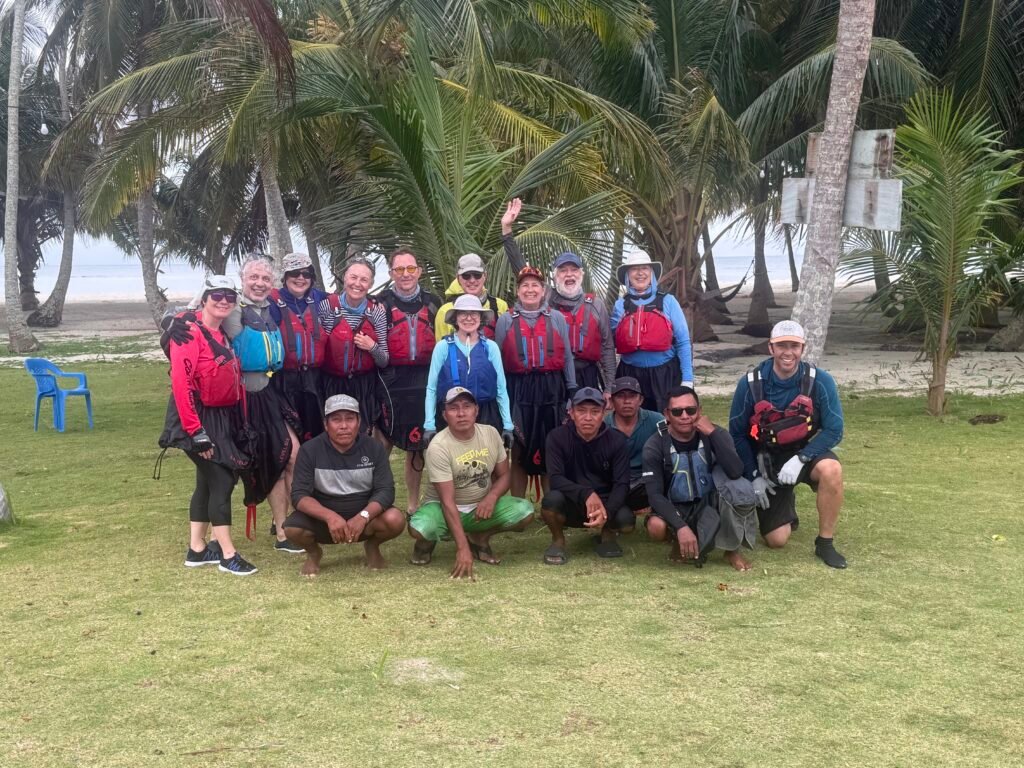
A guide can turn a remote coastline into the trip of a lifetime – or turn an avoidable rough-water decision into a long, stressful day. When you are paddling beyond the resort zone, with rainforest behind you and open water ahead, how to evaluate kayak guides becomes more than a booking question. It is how you choose the people responsible for your safety, your comfort, and the quality of every place you get to experience.
A polished website and dramatic photos are not enough. The best guide teams combine calm technical judgment, deep local knowledge, well-maintained equipment, and the ability to make a small group feel genuinely looked after. Here is what to look for before committing to a multi-day sea kayaking trip.
Start With the Kind of Water You Will Paddle
Not all kayak guiding demands the same expertise. A guide who excels on a gentle, protected river may not have the experience needed for an exposed tropical coast where wind, current, swell, boat traffic, and fast-moving weather can all affect the route.
Read the itinerary closely, then ask what conditions are typical for each paddling area. A professional operator should clearly explain whether you will be crossing open bays, paddling along a protected shoreline, navigating tidal channels, or landing through surf. They should also describe the level of fitness and previous paddling experience that the trip requires without overselling it as easy for everyone.
For a tropical expedition, local weather knowledge matters enormously. Afternoon squalls, offshore winds, seasonal sea states, and tide timing can change the plan. A capable guide does not treat the original itinerary as a promise carved in stone. They have a well-considered Plan B and the confidence to use it when conditions call for a different route, earlier departure, or rest day.
How to Evaluate Kayak Guides on Safety
Credentials are useful, but they are only one part of the picture. Look for guides with current wilderness first aid or wilderness first responder training, CPR certification, and sea kayaking rescue skills appropriate to the trip. On more exposed routes, experience with towing, assisted rescues, communication systems, navigation, and group management should be standard.
Ask how the company trains and assesses guides beyond basic certifications. The strongest outfitter teams practice rescue scenarios, review emergency procedures, and know their specific operating area intimately. A guide may have impressive technical credentials, but you also want someone who understands the currents around a particular headland, the best landing beach when the wind builds, and the nearest options for medical support.
Pay attention to how safety is discussed. Vague claims about having “expert guides” are not as reassuring as clear details about guide training, emergency communication, medical kits, evacuation planning, and decision-making protocols. Good operators do not use safety language to create fear. They use it to show that their expeditions are organized with care.
It is also reasonable to ask about insurance and permits. Requirements vary by country and region, but a legitimate outfitter should be able to explain how it operates legally and what coverage is in place. You should still carry travel insurance that includes the activities on your itinerary and emergency evacuation coverage suitable for remote travel.
Look at Guide-to-Guest Ratios, Not Just Group Size
A small group is a major advantage on a multi-day kayak trip, but the number of guides matters just as much as the total number of guests. One guide leading a group in calm, sheltered water is different from one guide managing the same number of paddlers on an open crossing.
Ask for the usual guide-to-guest ratio and whether additional staff are present on more technical days. Two experienced guides provide more than an extra set of hands. They allow one person to lead while another stays with a slower paddler, manages a tow, checks gear, or responds if someone needs support.
The guide team should also have a realistic approach to mixed abilities. “All skill levels welcome” can be a good sign if it comes with a thoughtful screening process, a manageable daily pace, and honest options for guests who are new to sea kayaking. It is not a good sign if the operator never asks about your paddling background, swimming ability, fitness, injuries, or comfort in moving water.
Judge Local Knowledge by Its Specificity
The memorable parts of an expedition often happen between the big itinerary highlights. A guide notices a scarlet macaw crossing the bay, knows when sea turtles are likely to surface, recognizes a changing cloud pattern, and can explain why a mangrove estuary supports so much life.
That level of knowledge is built through time on the water, not memorizing a script. Ask how long the company has guided in the destination and whether its guides live locally, return season after season, or work with local naturalists and community partners. On trips that include Indigenous territories or rural communities, you should also look for a respectful, established approach to cultural visits.
Authentic local access should never feel like a staged stop added for marketing. The right guide frames cultural encounters with context and respect, gives guests clear expectations, and ensures local hosts benefit from the visit. This is especially meaningful in places such as Panama’s San Blas Islands, where culture, environment, and travel etiquette are closely connected.
Inspect the Equipment and the Daily Systems
Premium trips are not defined by luxury for its own sake. They are defined by equipment and systems that let you focus on the experience instead of worrying about the basics.
Ask what kayaks, paddles, personal flotation devices, dry bags, and safety gear are supplied. Touring kayaks should fit the route and the paddler, with properly functioning rudders or skegs where appropriate. A quality outfitter will offer a real gear orientation and take time to adjust foot braces, back support, spray skirts, and PFD fit. Poorly fitted gear can turn a beautiful day into an uncomfortable one quickly.
For multi-day travel, logistics reveal a lot about the guide operation. Find out how drinking water is handled, how luggage transfers work, where equipment is stored, how meals accommodate dietary needs, and what happens if rain delays a route. These details may not be glamorous, but they are the foundation of a relaxed expedition.
Sea Kayaking Costa Rica, for example, designs small-group expeditions around carefully managed logistics because remote travel feels far more rewarding when guests can stay present for the paddling, wildlife, and landscape.
Read Reviews for Patterns, Not Praise Alone
Guest reviews can reveal what an itinerary page cannot. Skip past generic comments such as “amazing trip” and look for recurring details. Do guests mention that guides adjusted the pace well, explained wildlife and local history, handled a weather change calmly, or made beginners feel capable? Those repeated observations point to a consistent operation.
Also read the less glowing reviews. No adventure company will suit every traveler, and a thoughtful response to criticism can be revealing. Look for accountability, context, and a commitment to improving rather than a defensive tone.
Photos posted by guests can help, too. They offer a more candid view of group size, actual campsite or lodge conditions, boat setup, and the range of ages and abilities on the trip. One image tells little, but a pattern across many departures can confirm whether the experience matches the company’s promises.
Ask the Questions That Reveal Professionalism
Before booking, a short conversation with the operator should leave you clearer, not more confused. These questions are especially useful for guided sea kayaking expeditions:
- What training and on-water rescue experience do the guides have?
- What is the guide-to-guest ratio, and how many people are on a typical departure?
- How do you assess whether a guest is ready for the trip?
- What are your alternate plans for strong wind, storms, or unsafe sea conditions?
- What safety and communication equipment travels with the group?
- How do guides support guests who are slower, nervous, or new to sea kayaking?
Listen for direct, practical answers. The best operators are proud of their systems, but they will not pretend that the ocean is predictable. They explain the risks honestly, set expectations early, and show you how their team manages the variables.
A great kayak guide does not simply point the bow toward the next beach. They read the water, protect the group’s margin of safety, share the stories that bring a place to life, and know when to pause for a howler monkey in the canopy or a ray gliding below the hull. Choose that kind of team, and the adventure will feel bigger, wilder, and far more personal.