
How to Choose Kayaking Expeditions That Fit You
August 15, 2026
Kayak Vacations Beyond the Beach Resorts
August 19, 2026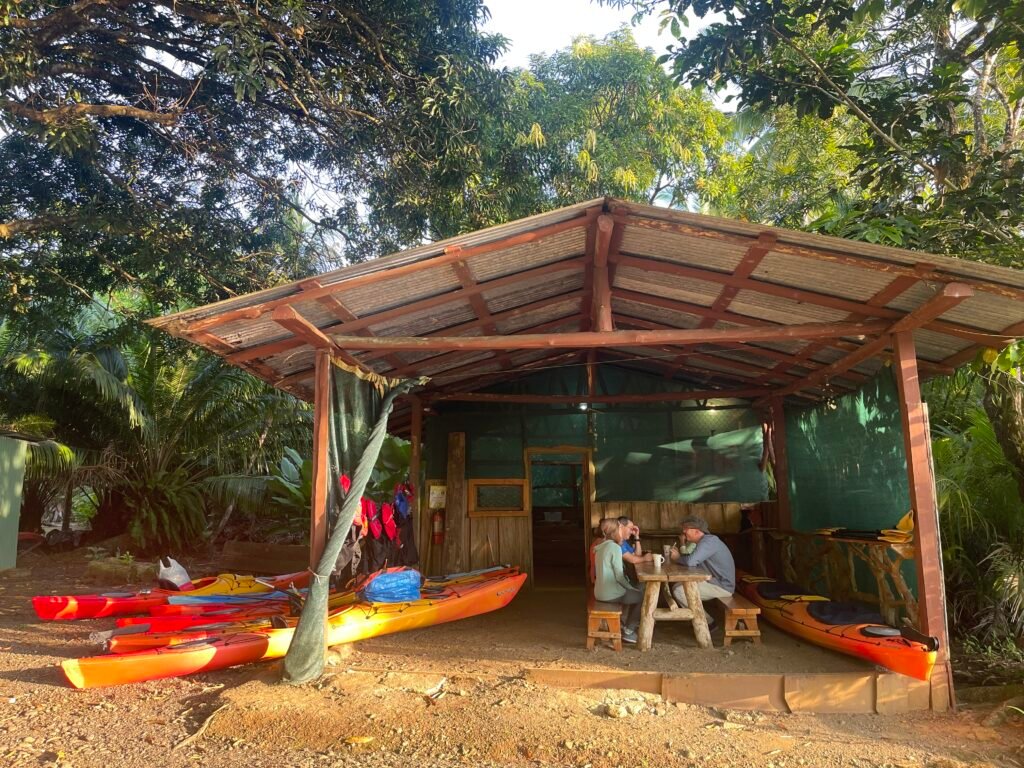
A five-star rating is a good start, but sea kayaking tour reviews become far more useful when you read beyond the headline. The best reviews tell you what it felt like to paddle into a quiet tropical cove, spot dolphins off the bow, and settle into camp after a full day on the water. More importantly, they reveal whether the outfitter delivered the support, judgment, and organization that make a remote expedition feel exciting rather than uncertain.
For a multi-day trip in Costa Rica or Panama, you are not simply choosing a kayak rental or a scenic afternoon activity. You are choosing the people who will plan your route, monitor weather, fit your equipment, manage daily logistics, and help shape an experience you will remember for years. Here is how to read reviews with an expedition traveler’s eye.
Look Past the Star Rating
A high overall rating matters, especially when it is supported by a meaningful number of detailed, recent reviews. Still, the written comments carry more weight than a row of stars. A review that says, “Amazing trip!” is encouraging. A review that explains how guides adjusted the day’s paddling for wind, helped a nervous first-time sea kayaker gain confidence, or identified wildlife others would have missed tells you far more.
Pay attention to patterns. If multiple guests mention calm, capable guides, well-maintained kayaks, thoughtful meals, strong local knowledge, and a well-run itinerary, that consistency is meaningful. It suggests the experience is built on systems and experienced staff, not a single lucky day.
Recent reviews deserve extra attention. Routes, guides, accommodations, and operational standards can change over time. Look for comments from the past year or two, particularly from travelers who completed a trip similar to the one you are considering.
What Sea Kayaking Tour Reviews Should Reveal
The strongest reviews answer practical questions without sounding like a checklist. They describe what happened when conditions shifted, how the group worked together, and whether the trip delivered on its promise of immersion.
Guide quality and decision-making
Guides are the center of any expedition. In tropical coastal environments, they need more than good paddling technique. They must understand tides, wind patterns, changing weather, wildlife behavior, group dynamics, and the realities of traveling in remote areas.
Look for reviews that mention specific guide behaviors: a clear safety briefing, useful paddling instruction, patient coaching, careful route choices, or a guide’s ability to make guests feel comfortable without minimizing real conditions. Comments about humor, local stories, and wildlife knowledge are also valuable, but professional judgment comes first.
A good review may mention that a guide changed the original plan because of wind or rain. That is not a disappointment. It is often evidence of sound expedition leadership. The best operators protect the core experience while making smart decisions for the group.
Safety without unnecessary drama
A reputable company does not market fear, and neither do its guests. Reviews should communicate that safety is present throughout the trip: quality equipment, appropriate instruction, guides who watch conditions closely, and a group pace that does not push people past a reasonable limit.
Seek out details about kayak fit, personal flotation devices, dry bags, communication, rescue skills, and pre-trip information. You do not need every reviewer to use technical language. You do want to see that guests felt prepared and well looked after.
There is a trade-off here. A truly remote adventure cannot be completely risk-free or controlled like a resort activity. Rain may arrive, surf landings may require focus, and a longer paddle day may feel demanding. The goal is not to find a trip with no challenge. It is to find an operator with the experience to manage challenge responsibly.
Pacing, fitness, and accessibility
“Active” means different things to different travelers. One guest’s relaxed day on the water can be another guest’s major physical effort. Reviews are especially helpful when they identify the daily rhythm: how long the group paddled, how often they stopped, whether there was time to snorkel or explore shore, and how guides supported varying ability levels.
Look for reviewers with a background similar to yours. Couples in their fifties, experienced hikers who are new to kayaking, regular paddlers, and travelers returning to outdoor activity after a break may all experience the same itinerary differently. Their comments can help you determine whether the trip’s stated skill level matches your expectations.
Be cautious with reviews that promise an effortless expedition. Multi-day sea kayaking rewards a basic level of fitness, a willingness to be outside in tropical weather, and a positive attitude when plans evolve. A well-designed trip can be accessible to beginners, but it should not pretend that paddling several days through coastal wilderness requires no effort.
Read for the Moments Between Paddling
The water is the reason you come, but a multi-day expedition is also defined by everything around it. The meals after a paddle, the comfort of your lodge or camp, the quality of the coffee at dawn, and the way luggage transfers and transportation are handled all shape the experience.
Reviews that mention logistics are worth their weight in gold. Did the operator make arrival and departure simple? Were transfers on time? Did guests understand what to pack? Was the group welcomed at each stop? These details can seem minor until you are traveling through a remote region with a paddle bag, wet gear, and a flight home to catch.
For lodge-to-lodge trips, note what guests say about the accommodations. The right expectation is not necessarily luxury at every stop. In wild, low-development destinations, an ecolodge may be simple, open to the sounds of the forest, and intentionally far from urban comforts. What matters is whether the experience feels clean, comfortable, well chosen, and appropriate to the setting.
For camping trips, reviews should reveal whether the camp experience was organized and enjoyable. A remote beach camp can be a highlight, especially when the evening includes a fresh meal, stars over the water, and the sound of the rainforest beyond the shore. It also requires guests to embrace sand, humidity, and a more elemental kind of comfort.
Wildlife and Culture: Look for Respect, Not Just Sightings
Costa Rica and Panama offer extraordinary encounters: scarlet macaws passing overhead, monkeys in the canopy, sea turtles, dolphins, tropical fish, and the deep green edge of rainforest meeting the sea. Reviews often celebrate these moments, and they should.
But the most telling comments describe how the encounters happened. Were guests able to observe wildlife without rushing or crowding it? Did guides explain the ecosystems, tides, and local conservation realities? On cultural itineraries, did travelers feel welcomed into meaningful exchanges rather than moved through a staged stop?
A well-run expedition brings you close to a place while respecting the people and natural systems that make it special. That is the difference between collecting photos and gaining a genuine connection to the destination.
Watch How an Operator Responds
Review responses can show how a company thinks. A thoughtful reply to praise is nice, but the response to a concern is more revealing. Does the operator answer professionally, acknowledge specifics, and explain how they addressed the issue? Or do they become defensive and vague?
No adventure company will satisfy every traveler in every circumstance. Weather changes, personal expectations differ, and even strong itineraries can have an occasional rough edge. What matters is whether the company treats feedback as part of delivering a better experience.
For expedition travel, also consider what is missing. If reviews repeatedly describe the scenery but never mention guide support, organization, or safety, ask more questions before booking. Spectacular landscapes are easy to photograph. Professional operations are what allow you to experience them with confidence.
Match the Reviews to the Trip You Want
The ideal review depends on your priorities. A wildlife-focused Tortuguero journey should prompt comments about quiet waterways, naturalist insight, and rainforest immersion. A Golfo Dulce lodge-to-lodge expedition may highlight open-water paddling, coastal scenery, comfortable stays, and a rewarding sense of covering distance under your own power. A San Blas trip should reflect both the beauty of the islands and the care taken with cultural encounters.
At Sea Kayaking Costa Rica, the most meaningful guest feedback often centers on this balance: real adventure supported by expert guides, reliable logistics, quality gear, and the freedom to be fully present in remarkable places.
Read reviews carefully, then trust the evidence that repeats. Choose the trip whose guests describe the kind of days you want to have: purposeful paddling, wild coastlines, good people, and the confidence to go farther than you would on your own.