Sea Kayaking Tour Reviews: What to Look For
August 17, 2026
Sea Kayaking: A Better Way to See the Tropics
August 20, 2026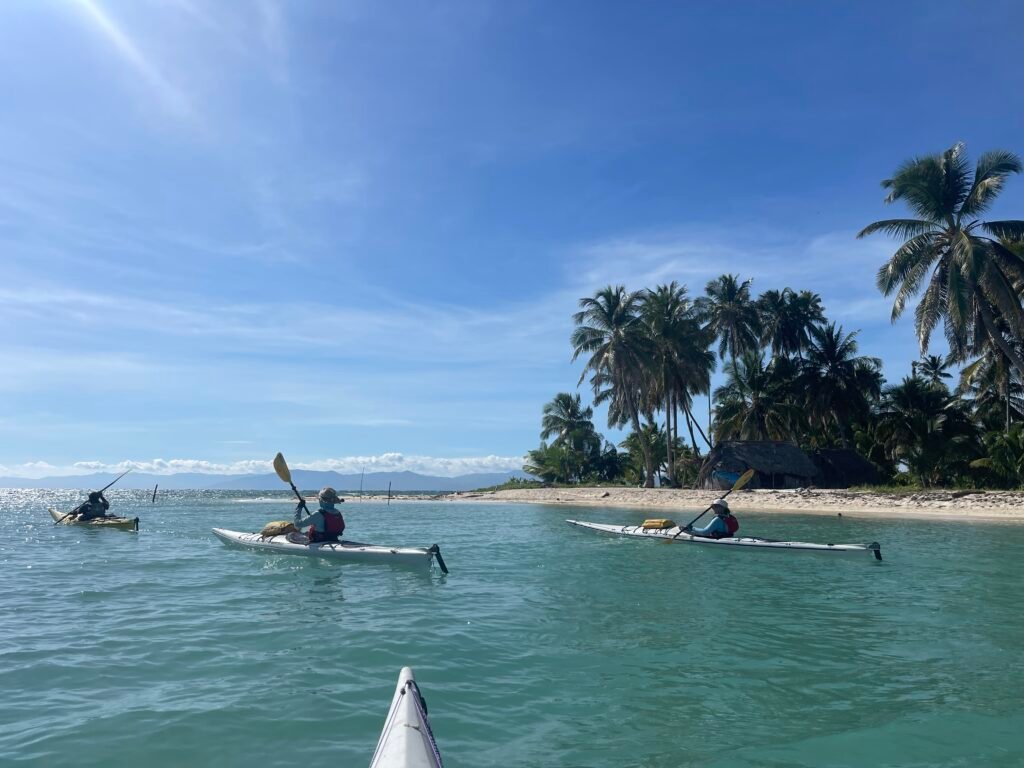
The best kayak vacations do not begin at a crowded marina and end with the same view from a resort lounge chair. They begin where the road fades out: a quiet tropical gulf, a mangrove channel alive with bird calls, or an island beach reached only by paddle. In Costa Rica and Panama, sea kayaking is more than an activity added to a beach trip. It is the way into places that remain wild, personal, and genuinely hard to reach.
For active travelers, that difference matters. A well-designed paddling expedition delivers the physical satisfaction of moving under your own power, then adds the things that make a vacation memorable: rainforest wildlife, excellent food, clear water for snorkeling, comfortable lodging or thoughtfully run camps, and guides who know what is around the next headland.
What Makes a Kayak Vacation Worth Taking?
A kayak trip becomes a true vacation when the work behind the experience is handled well. You should spend your attention on the flash of a scarlet macaw overhead, the rise and fall of the tide, and the first swim of the afternoon – not on wondering where the next meal, dry bag, transfer, or safety plan is coming from.
That is why guided multi-day expeditions are a strong fit for travelers who want more than a rental kayak and a map. Professional guides assess conditions, set an appropriate pace, manage the group on the water, and bring regional knowledge that turns a beautiful shoreline into a living story. They know where dolphins commonly travel, which coves offer the best snorkeling, when a beach is safe for landing, and how to travel responsibly through sensitive coastal ecosystems.
The right trip also has rhythm. A long crossing may be followed by a relaxed lunch and an afternoon swim. A morning paddle through mangroves may leave time for a rainforest walk, a local meal, or a quiet hour in a hammock. You are active, but you are not trying to prove anything every day.
Choose the Right Type of Kayak Vacation
Costa Rica and Panama offer very different paddling environments, even when the days share the same essentials: tropical water, wild coastlines, and warm hospitality. Choosing the right route comes down to what you most want to experience between strokes.
For remote coastlines and lodge comfort: Golfo Dulce
Costa Rica’s Golfo Dulce is built for travelers who want a deep immersion in the country’s southern Pacific coast without sacrificing a comfortable place to rest at night. This dramatic, rainforest-lined gulf is one of the most biologically rich corners of the country. Paddling days can bring encounters with monkeys, tropical birds, dolphins, and, in season, migrating whales.
An eight-day lodge-to-lodge itinerary is a compelling choice for couples and active travelers who value a polished expedition structure. You still earn each destination by kayak, but evenings can include a hot shower, a good meal, and the pleasure of settling into a small coastal lodge. It is a smart balance for travelers who want adventure without committing to camping every night.
For wildlife at close range: Tortuguero
Tortuguero is not about open-water miles or postcard beaches. It is about moving quietly through a labyrinth of jungle waterways where the forest crowds the edge of the boat. This is the place for travelers whose ideal day includes spotting monkeys in the canopy, iguanas along the bank, caimans in still water, and more birdlife than they can name.
A seven-day Tortuguero journey suits paddlers who are especially drawn to natural history and the atmosphere of the rainforest. The paddling can feel more sheltered than an exposed coastal route, but that does not make it less adventurous. Conditions still change with rain, water levels, and weather, and the reward is an unusually intimate view of one of Costa Rica’s great wild regions.
For islands, snorkeling, and culture: San Blas, Panama
The San Blas archipelago offers a different kind of expedition. Here, low coral islands, clear Caribbean water, and the living culture of the Guna people shape the journey. The landscape feels wide open and elemental, with islands appearing on the horizon like small green outposts surrounded by blue water.
An eight-day San Blas trip is ideal for travelers who want paddling and snorkeling paired with meaningful cultural context. Respect matters here. A good itinerary does not treat local communities as scenery. It creates opportunities to learn about the place while following local customs and traveling with care.
How Much Experience Do You Need?
Many people assume a multi-day sea kayaking trip is reserved for expert paddlers. That is not necessarily true. Fitness, comfort outdoors, and a willingness to learn often matter more than technical paddling history. On a guided trip, instructors can teach efficient stroke technique, boat handling, wet exits, and other fundamentals before and during the journey.
Still, the honest answer is that it depends on the route and conditions. Sea kayaking asks for steady effort. Wind, chop, heat, and currents can make a modest distance feel demanding. Travelers should be comfortable swimming, able to sit and paddle for several hours with breaks, and prepared to follow guide direction closely.
The strongest operators screen guests carefully rather than promising that every trip suits every person. Ask about average daily mileage, the longest paddling day, expected water conditions, accommodation style, and how the itinerary adjusts for weather. Those details tell you far more than a vague label such as beginner-friendly.
Why Guided Logistics Change the Experience
Tropical expeditions look simple on a map. In practice, remote travel requires coordination: airport pickups, boat storage, route planning, food, water, tide timing, lodging, permits, emergency communication, and reliable equipment. When these details are managed by specialists, you gain the freedom to be fully present.
At Sea Kayaking Costa Rica, small-group expedition design keeps the experience personal while allowing guides to give each traveler real attention on and off the water. Quality sea kayaks, properly fitted safety gear, and practiced systems are not glamorous details, but they are part of what lets an ambitious trip feel secure and well run.
Small groups also create a better connection to place. You are less likely to overwhelm a remote beach landing, more likely to hear the guide’s wildlife briefing, and better able to adjust pace when someone wants an extra moment to watch a dolphin pod or photograph a toucan.
What to Pack for Tropical Paddling
Packing for a kayak expedition is less about bringing more and more about bringing the right layers and protecting what cannot get wet. Quick-dry clothing, sun protection, a brimmed hat, sandals that stay on in water, and a lightweight rain layer cover most of your on-water needs. A reusable water bottle, personal medications, and a dry bag for essentials should also be close at hand.
Do not underestimate the tropical sun. Long-sleeve sun shirts and reliable sunscreen are usually more useful than extra casual outfits. For evenings, bring one comfortable dry set of clothes and a light layer for breezy boat rides or air-conditioned transfers.
Your outfitter should provide a detailed packing list specific to the route. Camping-based trips call for a slightly different approach than lodge-to-lodge travel, and Caribbean island routes may prioritize sun and saltwater protection more than a rainforest itinerary. Follow the trip list rather than packing for every possible scenario.
Travel With the Right Mindset
The most rewarding kayak vacations require flexibility. A guide may change the launch time to avoid afternoon wind, select a different beach because of swell, or alter the day’s distance when weather shifts. That is not a compromise in the experience. It is what skilled expedition leadership looks like.
Come ready to participate, slow down, and let the destination set the pace. You may paddle past a resort coastline and never see it. By evening, you could be watching the last light settle over a rainforest gulf, listening to waves beyond camp, and realizing that the most memorable part of the trip was not what you escaped, but what you reached.