Costa Rica or Panama Kayaking: Which Trip Wins?
August 12, 2026
Sea Kayaking Tour Reviews: What to Look For
August 17, 2026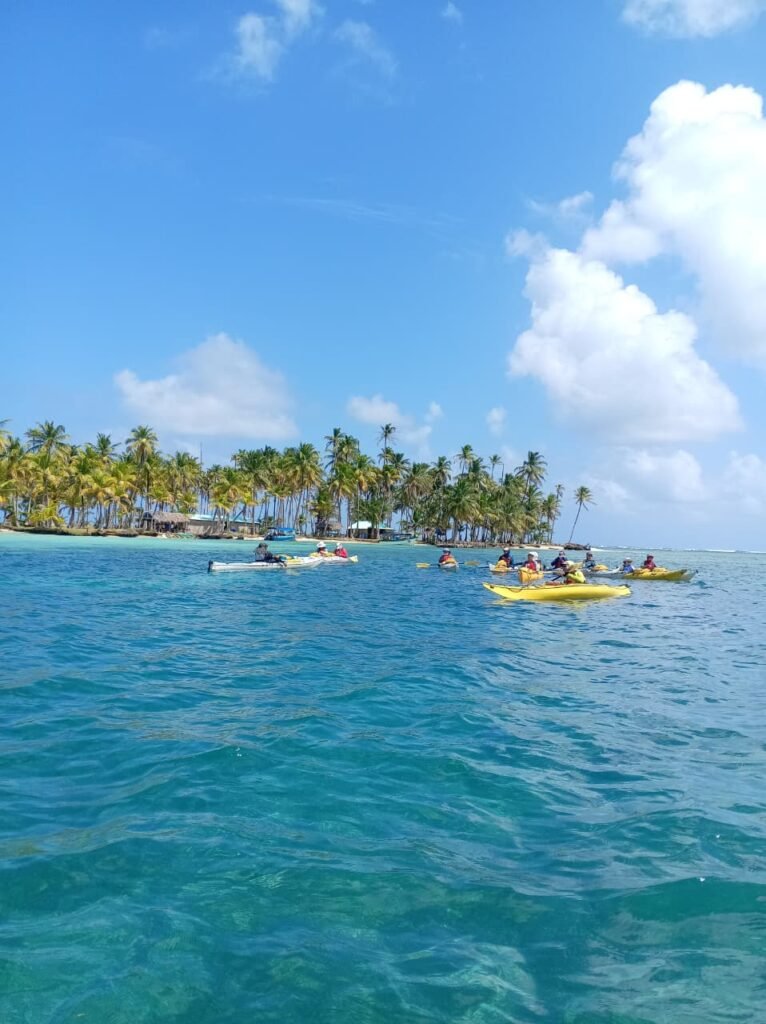
A tropical coast can look calm from a beach and feel very different once you are loaded into a sea kayak with a week of weather, tides, open-water crossings, and wild shoreline ahead. Knowing how to choose kayaking expeditions means looking beyond beautiful photos. The right trip should challenge and energize you while giving you the guide support, equipment, comfort, and planning needed to fully enjoy the experience.
A great expedition is not simply a vacation with paddles. It is a moving journey through a landscape that is difficult to reach any other way: mangrove channels alive with birds, rainforest-backed coves, coral reefs, remote islands, and coastal communities with their own stories. Choose the trip that matches how you want to travel, not just where you want to go.
Start With the Kind of Experience You Want
First, decide what you want the expedition to be about. Some paddlers want long days on open water and the satisfaction of covering real distance. Others are drawn to wildlife, snorkeling, jungle hiking, and slow mornings in quiet estuaries. Neither is more legitimate, but they call for different routes and itineraries.
A lodge-to-lodge journey may suit travelers who want active days without giving up a comfortable bed, hot shower, and a place to recharge each evening. A camping expedition creates a more remote, elemental experience, often with access to beaches and islands that have no developed accommodations. It also asks you to be comfortable with simpler facilities, changing weather, and the shared rhythm of camp life.
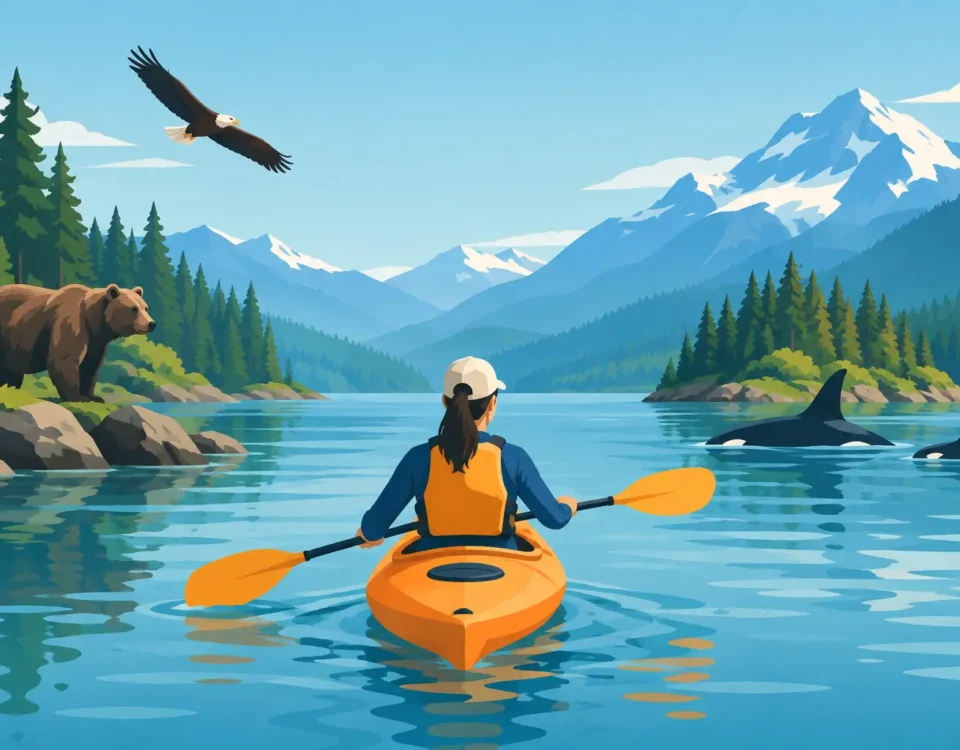
Consider the balance between paddling and everything around it. In Costa Rica’s Golfo Dulce, a route can combine protected-water paddling with rainforest immersion and chances to spot dolphins, monkeys, scarlet macaws, and other coastal wildlife. A Tortuguero-style journey may put a stronger emphasis on wetlands, canals, and natural history. In Panama’s San Blas region, the appeal can be a blend of island paddling, clear-water snorkeling, and meaningful cultural encounters.
The best itinerary has a clear purpose. If every day appears to be a generic paddle from one beach to another, ask what makes the route worth traveling so far for.
Match the Route to Your Real Paddling Ability
You do not need to be an elite kayaker to join a guided sea kayaking expedition. You do need an honest understanding of your comfort level and physical readiness. The most useful question is not, “Have I kayaked before?” It is, “Can I paddle consistently for several days and stay positive when conditions are less than perfect?”
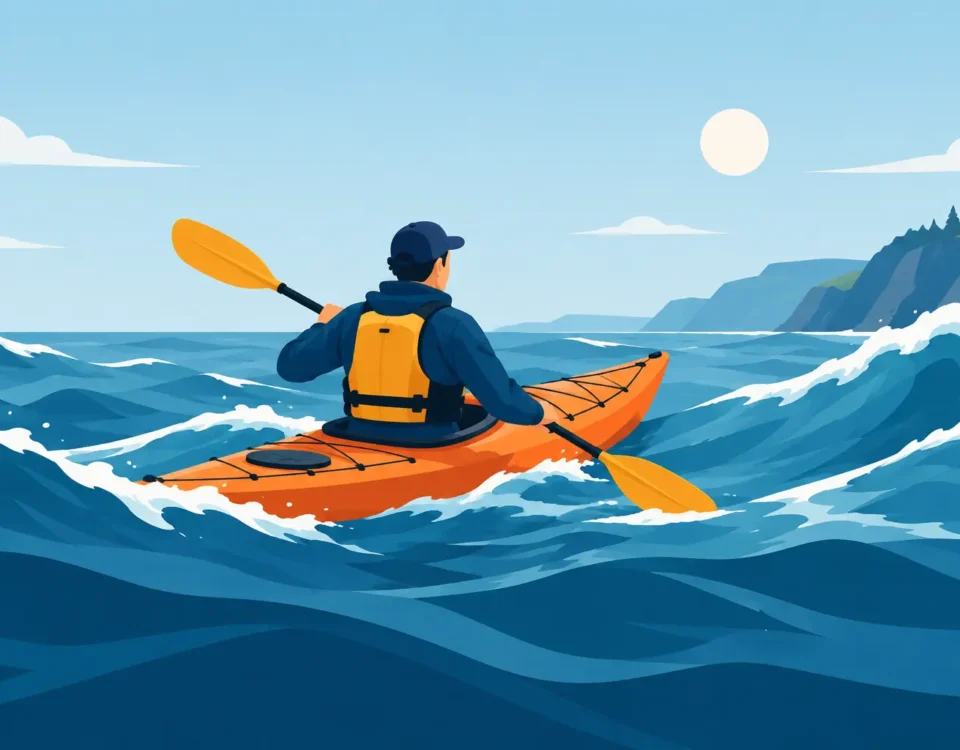
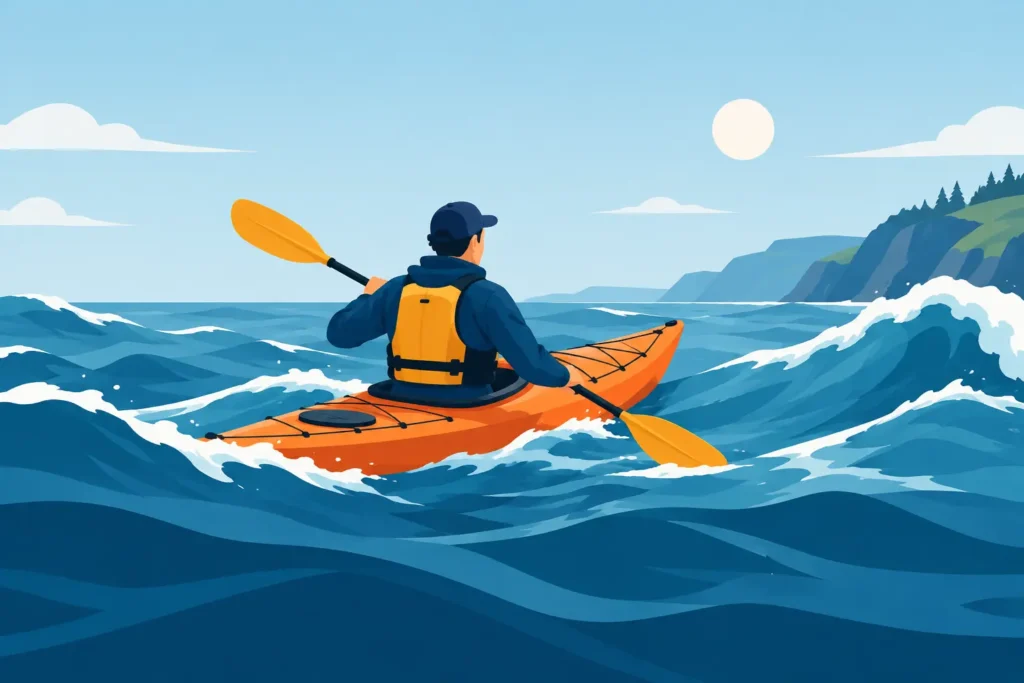
Ask the outfitter about typical daily mileage or hours on the water, not only the trip’s overall difficulty label. Find out whether the route includes open-water crossings, afternoon winds, surf landings, current, boat traffic, or long stretches with limited exit points. A protected gulf and a broad, exposed coastline may demand very different skills even if both are described as beginner-friendly.
For newer paddlers, a strong guided trip should include a thorough orientation, paddling instruction, appropriate boat fitting, and a route designed with realistic options. Experienced paddlers may want greater mileage, technical coaching, or more challenging conditions, but they should still value a conservative decision-making culture. Conditions change quickly in tropical coastal environments. The best guides adjust the plan when they need to, rather than forcing a route to match a printed itinerary.
Fitness matters as much as technique. You should be able to sit comfortably for extended periods, get in and out of a kayak with assistance if needed, and repeat moderate physical effort day after day. Start preparing several weeks before departure with walking, cycling, swimming, or paddling, plus core and upper-body work. A little preparation makes the expedition far more enjoyable.
Ask What “Beginner Friendly” Actually Means
This phrase can cover a wide range of experiences. Ask whether beginners are accepted because the waters are protected, because guides provide extensive coaching, or because the operator can alter the route based on group ability. Also ask if there is a minimum fitness standard.
A candid operator will not promise that every day is flat and effortless. They will explain the likely conditions, the contingency plans, and what guests can do to arrive ready.
Choose Guides and Safety Standards Before You Choose Scenery
A dramatic coastline is only as good as the team leading you through it. On a multi-day expedition, guides are navigators, instructors, naturalists, cooks, logistics coordinators, and the people making calm decisions when weather or group dynamics change. Their local knowledge can turn a good trip into an exceptional one.
Ask how guides are trained and how many guests travel with each guide. Small groups generally mean more individual coaching, better communication on the water, and a more personal experience ashore. Ask about first-aid and rescue training, emergency communication systems, weather monitoring, evacuation procedures, and the support available in remote areas.
Equipment is part of the safety picture. Quality sea kayaks should fit properly and be suited to the planned environment, with flotation, deck lines, spray skirts when appropriate, and reliable paddles. Personal flotation devices should be comfortable and correctly sized. You should also understand what safety equipment is carried by the guides and what gear the company provides versus what you need to bring.
This is where a specialist outfitter earns its place. Sea Kayaking Costa Rica builds its trips around the realities of the region, from tropical weather patterns and marine conditions to remote lodging and local partnerships. That destination depth matters far more than a flashy brochure.
Look Closely at Comfort, Food, and Group Size
Expedition travel is not one fixed style. An eight-day trip can range from simple beach camping to polished ecolodges, and your enjoyment often comes down to choosing the level of comfort that feels right after a full day outdoors.
Read the accommodation details carefully. Is there a private room option? Are bathrooms private, shared, or basic? Is electricity dependable? Will you need to carry your own dry bags and personal gear to camp? None of these details should be deal-breakers by default, but surprises can distract from an otherwise incredible journey.
Food deserves the same attention. Paddling burns energy, and meals are part of morale. Ask how dietary needs are handled, what a typical day of meals looks like, and whether purified drinking water and snacks are included. In remote destinations, variety may be limited, but a skilled operator plans nourishing, fresh meals around the conditions and available local ingredients.
Group size changes the tone of the entire trip. Smaller groups tend to move efficiently, leave a lighter footprint, and make it easier to spot wildlife without turning a quiet cove into a crowd. They also create room for genuine conversations with guides and fellow travelers. If you value independence, ask how much choice the itinerary allows within the needs of group safety and logistics.
Compare What Is Included, Not Just the Trip Price
A low headline price can hide a long list of extras. Before comparing expeditions, request clarity on transfers, lodging, meals, permits, guide service, kayak and safety gear, dry bags, snorkeling equipment, airport assistance, taxes, and gratuities. International airfare, travel insurance, alcoholic beverages, and some meals before or after the trip are commonly separate, but there should be no mystery about it.
Also consider the work removed from your plate. Reaching a remote launch point may involve ground transfers, boat connections, regional flights, permits, and timing that is hard to organize independently. A premium guided expedition should make those moving parts feel well managed while still leaving room for the wildness of the destination.
Travel insurance is a sensible safeguard for any multi-day adventure. Look for coverage that includes trip interruption, medical care, emergency evacuation, and activities such as sea kayaking. Review the policy language rather than assuming all adventure travel is covered.
Read the Itinerary for Flexibility and Local Respect
A well-designed itinerary should feel specific without pretending nature runs on a clock. Wildlife sightings cannot be guaranteed. Rain can arrive in a hurry. A route may change because of wind, tides, or a decision to give the group more time in an exceptional place. That flexibility is a sign of professional leadership, not a weakness.
Look for signs that the operator works responsibly in the places you will visit. Small-group travel, Leave No Trace practices, respectful cultural exchanges, locally informed guides, and partnerships that benefit communities all matter. In places such as Panama’s Indigenous island regions, cultural visits should be approached as real encounters, not staged entertainment.
Read guest feedback with an eye for details. The strongest reviews mention guide judgment, equipment quality, food, pacing, communication, and how the company handled an unexpected situation. A traveler describing a perfect sunset is encouraging. A traveler describing calm, capable support during a weather change tells you much more.
Pick the Trip That Leaves Room for the Unexpected
The right kayaking expedition will stretch your comfort zone without putting you in over your head. It will take you to places that reward the effort: a glassy morning paddle beneath rainforest hills, a turtle surfacing beside the kayak, a hidden beach reached under your own power, and the earned quiet of evening after a day outside.
Choose an operator you trust, prepare for the physical side of the journey, and let the destination set the pace. The most memorable expeditions are rarely the ones that go exactly to plan. They are the ones led well enough that the unexpected becomes part of the story you are glad to bring home.