
Costa Rica Versus Panama Adventures Compared
July 25, 2026
Golfo Dulce Travel Guide for Wild Costa Rica
July 29, 2026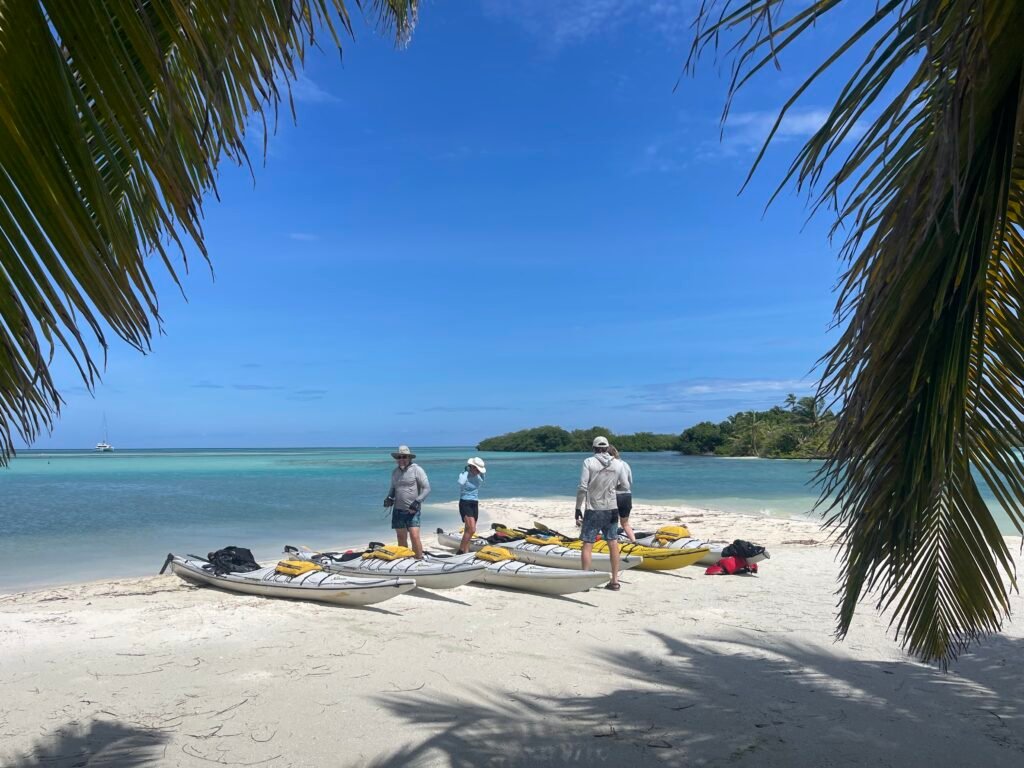
The first thing to understand about San Blas is that its greatest appeal is also its challenge: this is not a polished resort coast. The archipelago is a living Indigenous territory of small islands, open Caribbean water, reef passages, and communities that set their own rules. A good San Blas travel guide should help you arrive ready for that reality – and show you why the extra effort is worth it.
For active travelers, San Blas offers something increasingly rare in the Caribbean: a trip where the journey between islands is as memorable as the beach itself. Paddle across clear water, snorkel over coral gardens, camp near the tide line, and spend time with the Guna people whose culture remains central to the region.
Where Is San Blas and Why Is It Different?
San Blas lies along Panama’s Caribbean coast, east of Panama City and close to the Colombian border. The region is also known as Guna Yala, an autonomous Indigenous comarca governed by the Guna people. More than 300 islands and cays scatter along this coastline, though only a fraction are inhabited.
That autonomy matters. Visitors are guests in Guna Yala, not customers in a conventional resort zone. Local communities manage access, collect entry fees, operate many boats and island accommodations, and protect cultural customs. This structure has helped San Blas retain a character that heavily developed Caribbean destinations have lost.
Expect coconut palms, shallow turquoise water, wooden dugout canoes, simple island homes, and a horizon full of low-lying cays. Also expect limited infrastructure. Electricity can be intermittent, Wi-Fi is not something to count on, and standards of comfort vary widely between islands. For travelers who want a controlled, all-inclusive beach vacation, San Blas may feel too remote. For those who want a genuine expedition with expert support, it is exceptional.
The Best Time to Visit San Blas
San Blas is warm year-round, with daytime temperatures generally in the 80s Fahrenheit and warm Caribbean water in every season. The most popular period is roughly December through April, when many travelers find more consistently sunny weather and generally favorable conditions.
But weather in the tropics is never a fixed promise. Wind, swell, rain, and sea state can shift quickly, especially on an island-to-island route. The wetter months, typically May through November, can bring heavier showers, greener landscapes, and fewer visitors. A rain shower does not necessarily end a day of paddling, but conditions may require guides to adjust routes, departure times, or campsites.
The best time depends on your priorities. Choose the drier season if your focus is beach time and higher odds of calm, sunny days. Consider the shoulder or wetter season if you are comfortable with changing conditions and value a quieter experience. On any multi-day adventure, a flexible itinerary is not a compromise. It is part of traveling well in a wild coastal environment.
How to Reach the Islands
Most San Blas trips begin in Panama City. From there, travelers commonly reach the Caribbean side by small aircraft or by four-wheel-drive vehicle over the Continental Divide, followed by a boat transfer. Both options have trade-offs.
Flying can save time and delivers dramatic aerial views of the islands, but small-plane schedules are more sensitive to weather and baggage restrictions. The road route is longer and can be rough, with steep, winding sections before the final boat crossing. Travelers prone to motion sickness should prepare accordingly, especially if conditions are choppy on the water.
This is where a professionally managed trip earns its value. Transfers, boat timing, permits, equipment, food, and contingency planning all require local knowledge. Rather than spending valuable vacation time coordinating a chain of separate providers, guests can focus on the experience in front of them.
San Blas Travel Guide: What a Kayaking Trip Feels Like
Sea kayaking is one of the strongest ways to experience San Blas because it operates at island scale. You are not racing past the landscape on a day boat. You move through it, reading wind across the water, watching reef color change beneath your hull, and arriving at islands that feel genuinely earned.
A multi-day expedition typically combines moderate daily paddling with snorkeling, beach walks, wildlife watching, and time in Guna communities. Distances and route choices should be adapted to the group, weather, currents, and the available landing sites. Calm, protected passages can be suitable for motivated beginners when they are supported by experienced guides, quality boats, and a thoughtful pace. More experienced paddlers may enjoy longer crossings and exposure to open-water conditions.
Do not confuse accessible with effortless. Tropical heat, sun exposure, wind, and repeated days on the water require a reasonable level of fitness. You do not need to be an elite athlete, but you should be comfortable being active for several hours, getting in and out of boats, and embracing a few days away from urban conveniences.
With Sea Kayaking Costa Rica, the San Blas experience is built as an eight-day Panama expedition, pairing professionally guided paddling with island camping, snorkeling, and meaningful cultural encounters. The goal is not to check off islands quickly. It is to travel through them with enough time to notice what makes each place distinct.
Respecting Guna Culture
Cultural respect is not an optional add-on in Guna Yala. It is fundamental to the trip. Ask before photographing people, homes, or community spaces. Follow guidance about where to walk, swim, camp, and visit. Dress modestly when entering villages, particularly away from the beach.
The Guna are widely known for their colorful molas, intricate hand-sewn textile panels that are often incorporated into clothing and sold as artwork. Buying directly from local makers can be a meaningful way to support families, but treat the exchange with the same respect you would bring to any personal craft tradition. Ask about the work, pay fairly, and avoid treating communities as a backdrop for photos.
Your guides should provide context before village visits and help facilitate interactions that are appropriate, welcomed, and mutually respectful. The most rewarding cultural moments are often quiet ones: a conversation, a shared meal, a glimpse of daily life, or an explanation of how an island community manages its relationship with the sea.
What to Pack for an Island Expedition
Packing for San Blas is less about bringing more and more about bringing the right things. Space may be limited in vehicles, boats, and dry bags, so prioritize versatile gear that handles sun, salt, and rain.
Bring lightweight quick-dry clothing, a long-sleeve sun shirt, a hat that stays on in the wind, reef-safe sunscreen, polarized sunglasses with a retainer, and sandals or water shoes that can get wet. A compact rain layer is useful in every season. For evenings and village visits, include a modest cover-up or lightweight pants and shirt.
A dry bag system is essential for cameras, medications, spare clothing, and documents. Pack a small personal first-aid kit, but rely on your expedition operator for the larger safety system: communications, emergency planning, trained guides, and reliable group equipment. If you use prescription medication, bring enough for the entire trip plus a few extra days in case weather affects transport.
Leave unnecessary valuables behind. San Blas rewards travelers who can put the phone away, accept a little sand in their gear, and be present when the sky turns orange over the water.
Choosing the Right San Blas Trip
Not every San Blas itinerary delivers the same experience. A quick overnight beach visit can be beautiful, but it offers limited time to understand the islands or travel beyond the better-known stops. A yacht charter provides comfort and range, though it can create more distance from the water and from local communities. A guided kayaking expedition asks more of you physically, but it offers a closer, more grounded connection to the place.
When comparing operators, ask practical questions. How are guides trained? What is the maximum group size? How do they assess weather and route safety? What level of kayaking experience is expected? Where do guests sleep, and what happens if conditions change? Clear answers are a sign of a company that takes both adventure and duty of care seriously.
San Blas is not the Caribbean for travelers chasing perfection on a schedule. It is better than that: an island wilderness shaped by culture, weather, and the rhythm of the sea. Arrive prepared, travel respectfully, and give yourself enough days to let the destination set the pace.