Can Beginners Do Expedition Kayaking Safely?
July 23, 2026
San Blas Travel Guide for a Real Island Expedition
July 27, 2026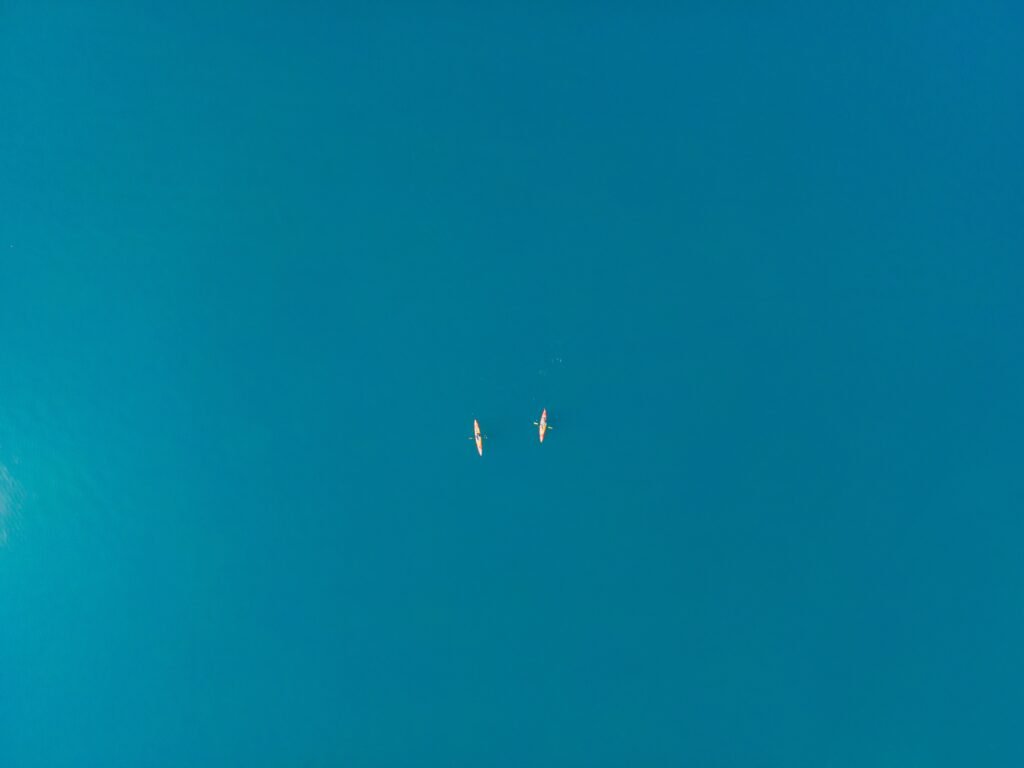
A tropical expedition can look very different depending on which side of the border you choose. Costa Rica versus Panama adventures is not simply a question of which country has better beaches or more rainforest. It is a choice between two distinct expedition rhythms: one centered on wildlife-rich coasts and protected paddling, the other on remote islands, Indigenous culture, and open-water discovery.
Both destinations reward travelers who would rather paddle into a quiet cove than sit beside a resort pool. Both offer warm water, vivid marine life, lush tropical landscapes, and the kind of days that leave you pleasantly tired at dinner. The right choice comes down to what you want to see, how remote you want to feel, and the style of trip that will make your week outside feel truly worth the journey.
Costa Rica Versus Panama Adventures: Start With the Water
Costa Rica is built for travelers who want a concentrated dose of rainforest, wildlife, and sheltered coastal exploration. On the Pacific side, Golfo Dulce is one of the most biologically rich tropical fjords on the planet. Its protected waters make it an exceptional setting for multi-day sea kayaking, particularly for guests who want challenge and adventure without spending every hour battling wind, swell, or heavy boat traffic.
A day on the Golfo Dulce might begin with a quiet launch from a palm-fringed beach, followed by paddling beneath forested headlands where scarlet macaws call overhead. Dolphins, sea turtles, monkeys, and tropical birds are all part of the experience, but the deeper appeal is the feeling of moving through an intact coastal ecosystem. You are not just looking at the rainforest from a trail. You are arriving by water, reaching places roads do not easily access.
Costa Rica’s Caribbean side offers a different kind of expedition in Tortuguero. Here, waterways wind through jungle rather than along an open coast. The pace is quieter, the wildlife viewing more constant, and the environment feels almost prehistoric. Kayaking through narrow canals creates close encounters with herons, caimans, monkeys, iguanas, and a remarkable range of birdlife.
Panama, especially the San Blas archipelago, shifts the focus outward. This is island travel in its purest form: white sand, clear water, coral reefs, and a horizon scattered with small tropical islands. Sea kayaking routes can involve more exposed crossings than Costa Rica’s protected gulf environments, so conditions and group ability matter. The reward is a powerful sense of scale and remoteness, with each paddle stroke carrying you toward another island camp or Kuna village.
For travelers drawn to snorkeling, beach camping, and the visual drama of the Caribbean, Panama has a strong edge. For those who want rainforest immersion and rich wildlife encounters woven directly into every day on the water, Costa Rica is hard to beat.
Wildlife: Constant Sightings or Underwater Color?
Costa Rica is a global heavyweight for biodiversity, and that reputation holds up on expedition routes. The country packs extraordinary habitats into a relatively compact area, making wildlife a reliable part of the journey rather than a rare bonus. In Golfo Dulce, guests may spot dolphins feeding offshore, macaws flying above the trees, and monkeys moving through the canopy near camp. In Tortuguero, the close confines of the canals make the rainforest feel immediate and alive.
That does not mean wildlife sightings are guaranteed. Wild animals do not follow an itinerary, and responsible guides never promise a particular species. But Costa Rica offers an exceptional density of habitat, and expert local guides know when to slow down, where to look, and how to observe without disrupting the environment.
Panama’s San Blas adventure is more marine-oriented. The water itself becomes a major part of the wildlife experience, particularly when conditions are clear enough for snorkeling. Coral formations, tropical fish, rays, and reef life can turn an afternoon swim into one of the trip’s biggest moments. Birdlife and coastal marine life are present, but Panama is less about tracking wildlife through rainforest corridors and more about inhabiting an island-and-reef landscape.
Choose Costa Rica if your ideal day includes scanning the shoreline for monkeys and listening for macaws from camp. Choose Panama if you picture dropping a mask into clear Caribbean water after a morning paddle.
Culture and Connection to Place
A strong expedition should give travelers more than scenic mileage. It should create a meaningful sense of place.
Costa Rica’s identity is closely tied to conservation, national parks, working coastal communities, and the laid-back warmth captured in the phrase pura vida. On a guided coastal journey, travelers see how fishing villages, rainforest protection, and ecotourism coexist in areas where the natural world remains central to daily life. The cultural experience is often subtle but real: local meals, regional knowledge, conversations with hosts, and the perspective that comes from traveling beyond the country’s busiest visitor corridors.
In San Blas, cultural connection is more direct and more distinctive. The islands are home to the Guna people, who maintain a strong cultural identity and substantial autonomy within the region. Visiting respectfully can be a privilege. Travelers may encounter Guna villages, traditional handicrafts, and a way of life shaped by the sea, island geography, and longstanding community traditions.
This is also where thoughtful trip design matters. San Blas is not a backdrop for a quick photo stop. A well-run expedition approaches the region with respect, follows local protocols, and helps guests understand that they are visitors in a living cultural landscape. That perspective gives a Panama journey depth beyond its postcard-perfect beaches.
Comfort, Logistics, and Expedition Style
The biggest practical difference is not necessarily difficulty. It is how each trip handles comfort, transitions, and the feeling of being away from the ordinary.
Costa Rica has a well-developed adventure travel infrastructure, with reliable domestic connections, established ecolodges, and experienced local service providers. That can make it an excellent choice for travelers taking their first multi-day kayaking trip or for couples who want real immersion without sacrificing the reassurance of organized logistics. A lodge-to-lodge itinerary in Golfo Dulce offers a welcome balance: full days of paddling and exploration, followed by a comfortable place to rest, shower, and enjoy a well-earned meal.
Tortuguero has a more remote feel, but its canal-based format can be accessible for active travelers who are comfortable spending several hours on the water. The terrain is less about big crossings and more about awareness, technique, and being present in a dynamic jungle environment.
Panama’s San Blas route feels more expeditionary. Depending on the itinerary, days may include island-to-island crossings, beach camps, boat-supported travel, and a more stripped-back connection to the elements. It is not necessarily only for expert paddlers. With professional guides, quality equipment, conservative route planning, and a small group, capable beginners can take part. Still, travelers should be honest about their comfort with camping, variable conditions, and the realities of remote island travel.
For both countries, the best operator is not the one that promises the most dramatic itinerary. It is the one that plans carefully around weather, tides, group ability, equipment standards, communications, emergency procedures, and local conditions. At Sea Kayaking Costa Rica, that practical preparation is what allows the adventure to feel bold without feeling careless.
Which Destination Fits Your Travel Style?
Costa Rica is the better match when you want abundant wildlife, dense rainforest, protected waters, and a choice between lodge-based comfort and canal-focused exploration. It works especially well for active travelers who want a premium guided experience that feels wild, yet remains carefully supported from arrival through departure.
Panama is the better match when your dream trip involves clear Caribbean water, remote islands, snorkeling, beach camps, and meaningful exposure to Guna culture. It is ideal for travelers who welcome a little more expedition texture and want to spend their days moving through a landscape that feels far beyond the usual tropical vacation circuit.
Timing can also influence the decision. Costa Rica’s Pacific and Caribbean coasts follow different weather patterns, while Panama’s Caribbean conditions can vary by season and location. A knowledgeable outfitter will match the route and trip dates to the conditions most likely to deliver safe, enjoyable paddling. Flexibility matters in the tropics, and experienced guides build it into the plan rather than treating weather as an afterthought.
The Best Choice Is the One You Will Fully Enter
Do not choose Costa Rica or Panama based only on the most dramatic photo. Think about the moments you want filling the space between them. Do you want to wake to monkeys in the canopy, paddle beneath a rainforest shoreline, and finish the day at an ecolodge? Or do you want to land a kayak on a tiny island, snorkel over a reef, and watch the stars appear above a beach camp?
The strongest expedition is not the one that checks the most boxes. It is the one that puts you in the right landscape, with the right level of challenge, and enough expert support to let you focus on the next shoreline, the next wildlife sighting, and the rare pleasure of traveling under your own power.