Costa Rica Adventure Vacation for Couples
July 17, 2026
Guided Kayaking Trips for Beginners Explained
July 21, 2026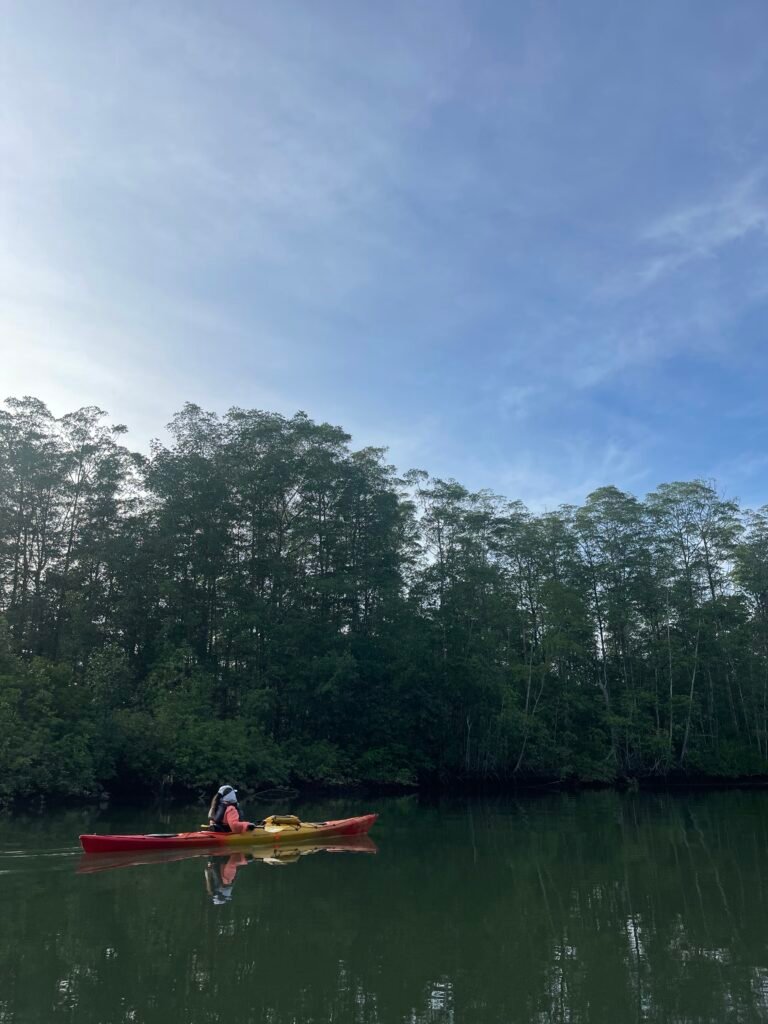
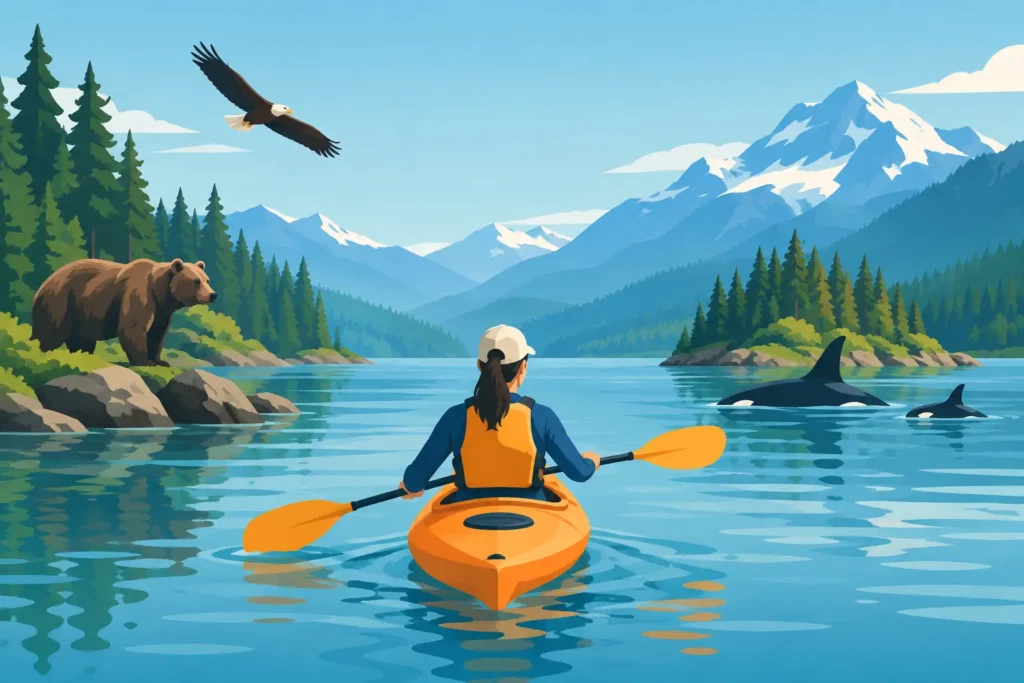
A quiet tropical bay can make sea kayaking look effortless: a few steady paddle strokes, a green coastline, perhaps dolphins breaking the surface ahead. But the question of how difficult is sea kayaking deserves a more honest answer. It is accessible to many active travelers, including first-timers, yet it is not simply recreational canoeing with a different boat. The sea has wind, currents, waves, changing weather, and real consequences when conditions are ignored.
The good news is that difficulty is not fixed. Your route, boat, guide support, fitness, weather, and willingness to learn all shape the experience. On a well-run guided expedition in protected tropical waters, a healthy beginner can often gain confidence quickly. On an exposed coastline in strong wind or surf, even experienced paddlers need sound judgment and technical skill.
How Difficult Is Sea Kayaking, Really?
For most people, the physical act of moving a sea kayak forward is not the hard part. A proper paddle stroke uses torso rotation, posture, and leg pressure against the foot braces, rather than just arm strength. Once that movement clicks, paddling at a relaxed touring pace is manageable for people with average fitness.
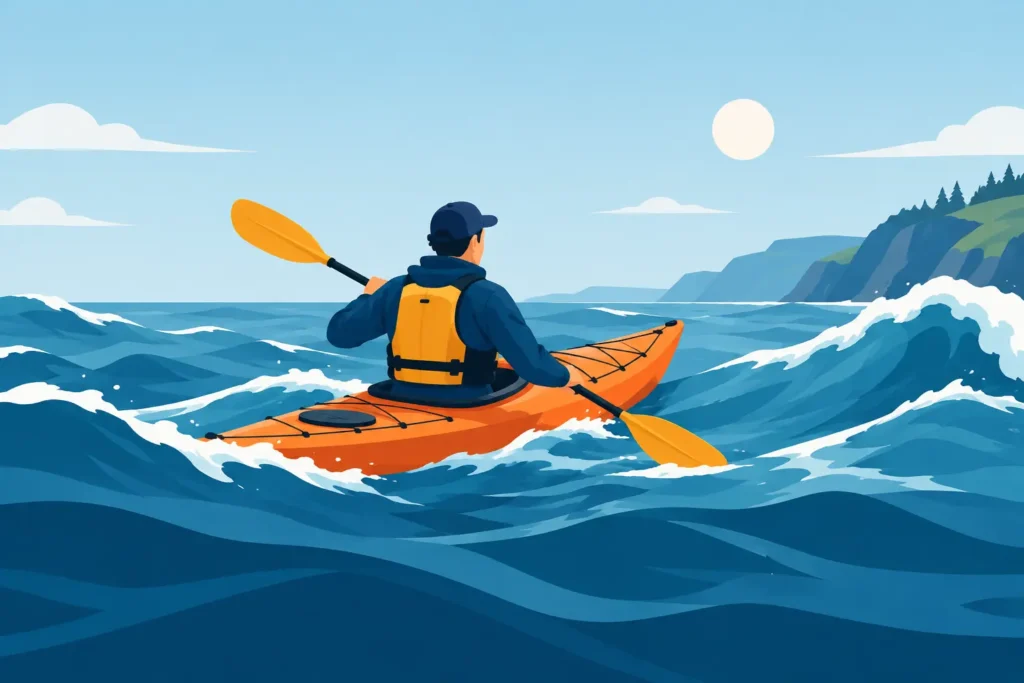
What makes sea kayaking more demanding is the environment. Wind can turn a calm crossing into a workout. A current can shift your line. Waves can make the boat feel unstable until you learn to relax your hips and let the kayak move beneath you. Saltwater, sun, heat, and a full day outdoors add to the equation.
That does not mean beginners need to arrive as elite athletes. It means the trip must be matched to their experience. A protected gulf, sheltered river mouth, island-hopping route, or wildlife-rich lagoon offers a very different introduction than open-ocean paddling or surf landings. Professional guides assess conditions each day and choose routes, crossings, breaks, and landing sites accordingly.
The Skills That Matter More Than Strength
A sea kayak is long, efficient, and designed to track through open water. It is also more stable than it may look. The first few minutes can feel wobbly to someone used to sitting on a dock or in a wide recreational boat, but most guests settle in once they understand that a little movement is normal.
The essential beginner skills are practical rather than flashy. You need to paddle forward efficiently, stop, turn, maintain a reasonable course, and brace lightly if a wave catches you off balance. You should also know how to enter and exit safely at a beach or dock, communicate with your group, and follow instructions on the water.
Recovery skills matter, too. A quality guided trip includes a safety briefing and instruction in what to do if someone capsizes. Depending on the itinerary and conditions, guides may teach or review assisted re-entry techniques, towing procedures, group spacing, and the use of safety equipment. You do not need to be an expert in rescues before you go, but you should be comfortable taking part in the training and staying calm if conditions change.
Swimming ability is important. You do not need to be a competitive swimmer, but you should be able to swim confidently, float, and remain composed in deep water while wearing a properly fitted personal flotation device.
Fitness for a Multi-Day Kayaking Trip
The best predictor of enjoying a sea kayaking trip is not whether you have kayaked before. It is whether you are comfortable being active for several consecutive days.
On a multi-day expedition, the challenge builds gradually. You may paddle for a few hours, stop for snorkeling or lunch, then continue to an ecolodge, a remote beach camp, or a small coastal community. There is time to rest, observe wildlife, and enjoy the destination, but this is still an active vacation. Repetition can make shoulders, hands, and core muscles tired, especially during the first two days.
You are likely well prepared if you regularly walk, hike, bike, swim, use a gym, or take part in other endurance activities. Before departure, a few weeks of moderate preparation can make a meaningful difference. Focus on aerobic activity, core stability, shoulder mobility, and time outdoors in warm conditions. Practice is more useful than punishing workouts. The goal is to arrive ready to paddle with good form, not exhausted before the adventure starts.
Your guides can offer coaching, adjust the pace, and manage the group, but they cannot remove the basic physical reality of covering distance under your own power. Be candid about old injuries, back or shoulder concerns, and your current activity level. The right itinerary is a far better choice than pushing into a trip that does not fit.
What Makes Tropical Sea Kayaking Different
Costa Rica and Panama offer conditions that can be friendly to newer paddlers, particularly on routes designed around sheltered water and seasonal weather patterns. Warm water also makes a capsize less intimidating than it would be in a cold northern sea, although it should never make anyone careless.
Tropical conditions bring their own challenges. Heat, humidity, intense sun, and sudden rain can wear people down faster than expected. Hydration, sun protection, lightweight long sleeves, and regular snacks are part of safe paddling, not afterthoughts. Wildlife encounters are extraordinary, but they also require patience and respect. A sea turtle, monkey troop, dolphin pod, or nesting bird colony is best experienced quietly, at a responsible distance, with guides who understand the area.
Remote travel adds another layer. You may be far from roads, stores, and crowded beaches. That is exactly what makes a lodge-to-lodge journey through Golfo Dulce or a wildlife-focused route in Tortuguero feel so rewarding. It also makes planning, communication systems, weather monitoring, emergency procedures, and reliable equipment non-negotiable.
Why Guided Expeditions Lower the Learning Curve
A guided trip does not make sea kayaking risk-free, and a reputable outfitter should never suggest otherwise. It does, however, remove many of the hardest decisions for a newcomer.
Experienced local guides read the weather, tides, wind patterns, currents, and coastline. They know which headlands become exposed in an afternoon breeze, where to find a safe landing, and when to alter the plan. They set a pace that keeps the group together, provide instruction before small problems become large ones, and carry the communication and first-aid equipment appropriate to the route.
Good equipment matters just as much. Properly fitted sea kayaks, paddles, flotation devices, dry storage, and safety gear help beginners focus on their technique and surroundings rather than struggle with a poorly matched setup. Small groups also make a major difference. More individual coaching, clearer communication, and a measured pace create room for guests to grow into the experience.
At Sea Kayaking Costa Rica, the goal is not to rush guests through a checklist of miles. It is to create a capable, well-supported team on the water, with time to explore rainforest shorelines, snorkel clear coves, and connect with places that larger tours simply cannot reach.
When Sea Kayaking May Be Too Difficult Right Now
Sea kayaking is not the right fit for every traveler at every moment. You may want more preparation or a different trip if you have a significant unresolved shoulder, neck, back, or balance issue; cannot swim comfortably; strongly dislike being in deep water; or are unable to spend several hours sitting and paddling with breaks.
It may also be wise to start with a half-day lesson or calm-water tour if you are anxious about capsizing, have never used a paddle craft, or are unsure how your body responds to heat and sustained activity. That is not a failure. It is smart expedition planning.
Be especially wary of trips that promise that no experience or fitness is needed while providing little detail about guide qualifications, group size, safety systems, route conditions, or contingency plans. The most memorable adventure travel feels free and wild because the preparation behind it is careful.
How to Make Your First Trip Easier
You can arrive more confident without overtraining. Learn the basics of forward paddling from a local instructor if possible, then spend time walking, cycling, or swimming a few days a week. Work on rotating through your torso rather than pulling with your arms. If you use hiking poles or do strength training, gentle core and shoulder exercises can also help.
On the trip, listen closely during the first briefing. Drink water before you feel thirsty. Use sunscreen and sun-protective clothing from the start of the day. Speak up early if a seat, foot brace, paddle, or flotation device does not feel right. Small adjustments prevent a sore back, numb feet, or blistered hands from distracting you from the journey.
Most of all, let go of the idea that you need to look experienced. Ask questions, take breaks when offered, and allow your guides to coach you. Sea kayaking rewards attention more than bravado.
The first time you paddle into a secluded cove under your own power, with rainforest rising from the water and the day still open ahead, the challenge starts to feel like the point. Choose the right route, show up prepared, and let the coastline teach you the rest.