Sea Kayaking Vacation Planning That Pays Off
August 10, 2026
How to Choose Kayaking Expeditions That Fit You
August 15, 2026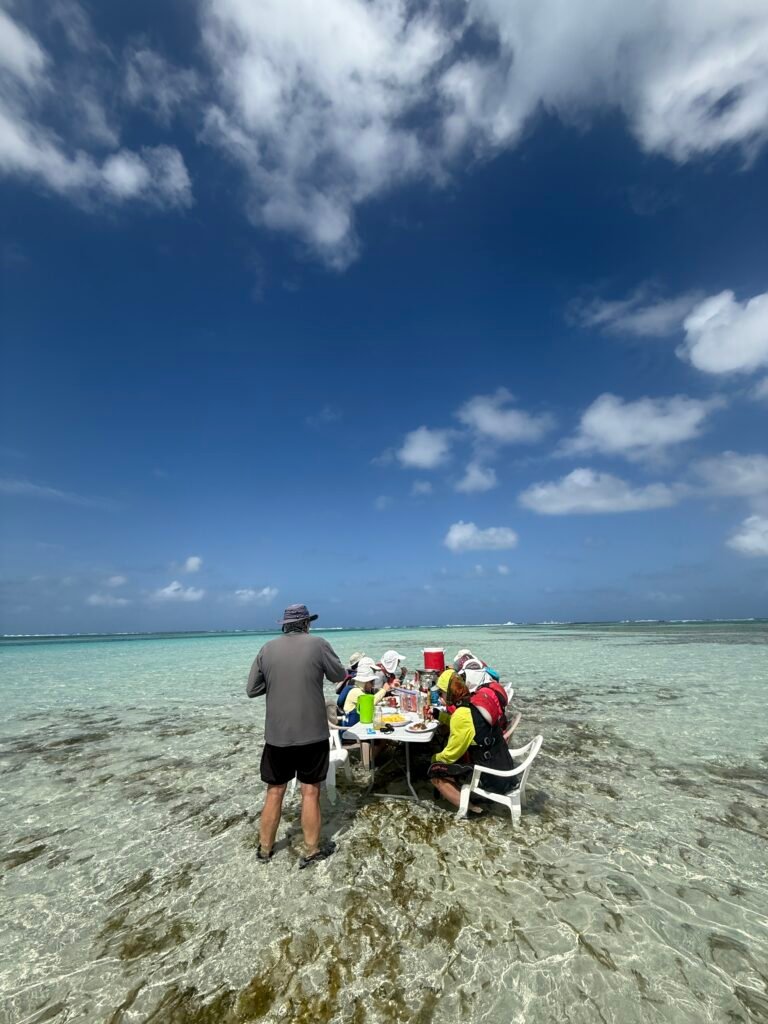
A scarlet macaw cuts across a quiet gulf. A Kuna family welcomes you to an island village. A sea turtle surfaces beside your bow. For travelers weighing Costa Rica or Panama kayaking, the real question is not which country is better. It is which kind of expedition you want to come home talking about.
Both destinations deliver warm water, wild coastlines, rainforest backdrops, and paddling far beyond the reach of crowded resort beaches. Yet they feel distinctly different on the water. Costa Rica is the stronger choice for wildlife-rich immersion and polished nature travel. Panama, especially the San Blas Islands, brings a more remote, cultural, open-ocean island experience.
Costa Rica or Panama Kayaking: The Big Difference
Choose Costa Rica if your ideal day involves slipping through a mangrove channel before breakfast, spotting monkeys in the canopy, snorkeling a protected cove, and sleeping at a comfortable ecolodge after a full day outside. Its paddling destinations are shaped by extraordinary biodiversity, sheltered waterways, and well-developed expedition logistics.
Choose Panama if you are drawn to a more elemental island journey. The San Blas archipelago is a broad scatter of palm-fringed islands, clear Caribbean water, and Indigenous Guna culture. It feels more remote, less built-up, and more exposed to the rhythms of wind, tide, and sea conditions.
Neither trip is a casual rental-kayak outing. These are expedition-style journeys, best experienced with guides who understand local weather patterns, landing sites, navigation, safety systems, and the communities that make each coastline special.
Why Kayak Costa Rica
Costa Rica packs remarkable ecological variety into a relatively compact country. That matters on a multi-day kayaking trip: you can spend less time in transit and more time actually moving through wild places.
Golfo Dulce: Protected Water and Big Wildlife
On Costa Rica’s southern Pacific coast, Golfo Dulce is one of the country’s most rewarding sea kayaking environments. Its protected waters are bordered by rainforest, largely undeveloped shoreline, and small coastal communities. The gulf is generally gentler than an exposed Pacific coastline, making it an excellent fit for active travelers who want a true expedition without needing advanced open-water paddling experience.
Wildlife is a major reason to come. Dolphins may travel through the gulf, monkeys move through the forest edge, and tropical birds are a constant presence. Seasonal whale activity can add another unforgettable dimension. Between paddles, warm-water snorkeling and rainforest hikes round out the experience.
A lodge-to-lodge format also makes Golfo Dulce especially appealing for travelers who value comfort after a hard-earned day on the water. You still get the satisfaction of traveling under your own power, but you are not hauling your life through every landing or trying to solve logistics from a remote beach.
Tortuguero: A Kayaking Trip Built Around Nature
Tortuguero is a different kind of adventure. Rather than broad coastal crossings, this Caribbean lowland region is defined by narrow canals, lagoons, and rainforest waterways. The pace is quieter and the wildlife viewing can be exceptional.
This is the Costa Rica choice for travelers who are more excited by a three-toed sloth in the trees than by a long open-water crossing. You may see caimans, monkeys, toucans, herons, iguanas, and a remarkable variety of other birdlife. Sea turtle nesting seasons give the region an additional pull, although wildlife sightings always depend on timing and nature’s own schedule.
The trade-off is that Tortuguero is less about big-mile sea kayaking and more about intimate exploration. It is ideal for paddlers who want the rainforest close, the water calm, and every bend in the channel to feel like a possible wildlife encounter.
Who Costa Rica Fits Best
Costa Rica is often the stronger first choice for couples, friends, and active adults seeking a guided tropical expedition with a high level of support. It works particularly well for beginners to intermediate paddlers who are fit, comfortable being active for several hours a day, and eager to build skills with professional guidance.
It is also a compelling choice if your priority list starts with wildlife, rainforest, and a balanced mix of kayaking, snorkeling, hiking, and comfortable overnight stays. You can go deeply into nature without giving up the organization and dependable standards that make a vacation feel like a vacation.
Why Kayak Panama
Panama’s San Blas Islands offer a Caribbean kayaking experience that is difficult to duplicate anywhere else. Hundreds of low, tropical islands stretch across the coast, many rimmed by white sand and shallow water in shades of blue that look edited even when they are not.
San Blas: Island-Hopping With Real Cultural Depth
The San Blas region is the homeland of the Guna people, whose communities retain a powerful degree of cultural identity and autonomy. A well-run journey here should treat that reality with respect. The islands are not a backdrop for a photo opportunity. They are living communities with traditions, family life, and their own rules for visitors.
For travelers who want more than scenery, this is Panama’s greatest strength. You may paddle between islands, camp or stay in simple local accommodations, enjoy freshly prepared meals, and meet people whose relationship to the sea has shaped the region for generations. That cultural connection gives the trip weight beyond the physical challenge of the route.
The Water Is Beautiful, but More Dynamic
San Blas can feel like a tropical dream, but it is not always placid. Conditions vary with trade winds, weather, sea state, and the route selected for the day. Some crossings can be more exposed than the sheltered waters of Golfo Dulce or Tortuguero’s canals.
That is part of the appeal for experienced or adventurous paddlers. You are traveling through a true island seascape, reading the horizon, landing on remote beaches, and adapting to conditions with an experienced guide team. It also means itinerary flexibility is a mark of quality, not a shortcoming. The best route is the one that keeps the group safe while delivering the strongest experience available that day.
Who Panama Fits Best
Panama is a standout choice for travelers who crave remoteness, Caribbean island scenery, and cultural exchange. It is particularly rewarding for those with some previous paddling experience, or for fit beginners who are ready to learn, listen closely to coaching, and embrace a more adventurous camping or rustic-island rhythm.
If a night under the stars, a quiet beach landing, and a horizon full of small islands sounds better than lodge amenities, San Blas may be your place. Come for the clear water, but choose the trip because you are comfortable with the unpredictability that makes remote travel real.
What the Daily Experience Feels Like
Costa Rica tends to offer more variation around the paddle itself. A typical day may combine a scenic route with snorkeling, a rainforest walk, wildlife observation, and a comfortable place to recharge. There is a strong sense of moving through a biologically rich landscape where the coast and forest are inseparable.
Panama is more focused on the journey between islands. The sea is the central character. You may spend more time watching the wind, studying the water, and feeling the satisfying rhythm of a long paddle toward a distant strip of sand. Snorkeling, beach time, and cultural visits naturally fit the day, but the island-hopping expedition remains the main event.
Food, accommodations, and logistics can also feel more polished and predictable in Costa Rica, particularly on lodge-based itineraries. Panama’s remoteness is exactly what makes it memorable, but it can mean simpler facilities and fewer backup options. Travelers who need a high degree of creature comfort will usually be happier in Costa Rica. Travelers who see simplicity as part of the story may prefer Panama.
Choose by Season, Skill, and Travel Style
Weather should influence your decision, but it should not be reduced to a single “best month.” Costa Rica has distinct regional patterns, with Pacific and Caribbean conditions often behaving differently. Panama’s Caribbean coast is shaped by seasonal winds and rain, which can affect water conditions and route planning.
Your guide team should select the appropriate route and departure window based on the destination, not force the same itinerary through every forecast. That local judgment matters more than a generic weather chart.
Be candid about your skills, too. You do not need to be an elite athlete for a guided expedition, but you should be prepared to paddle for multiple days, get in and out of a kayak from beaches or docks, spend time in sun and heat, and be flexible when conditions require a change of plan. Good outfitter support makes these trips accessible, but it does not remove the need for a positive, capable attitude.
For a carefully supported, wildlife-forward expedition, Costa Rica is hard to beat. Sea Kayaking Costa Rica’s small-group approach is designed around that balance of challenge, comfort, and local expertise. For a wilder Caribbean island passage with deep cultural texture, Panama offers a rare kind of escape.
The best choice is the one that matches the story you want to live: rainforest channels and dolphin-rich gulfs, or remote islands and Guna shores. Pick the trip that makes you want to keep paddling when the next headland, or the next island, appears on the horizon.