Adventure Tourism That Takes You Farther
September 11, 2026
Best Wildlife Lodges in Tortuguero for Paddlers
September 15, 2026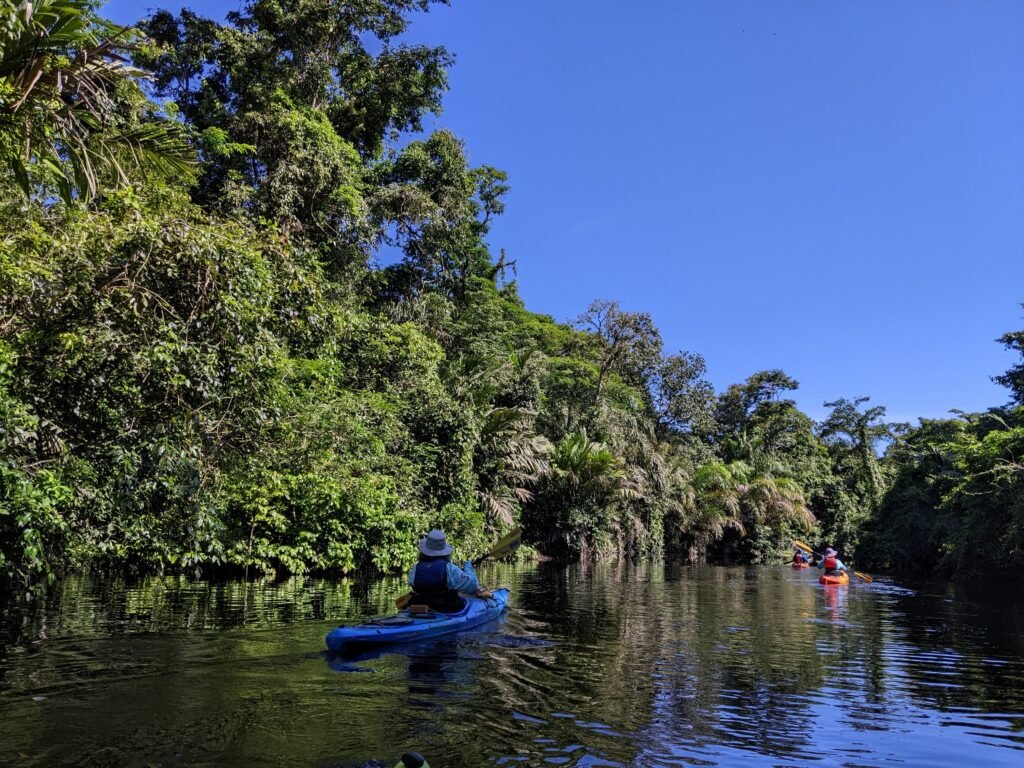
The rainforest gets loud before breakfast. Howler monkeys carry across a misty bay, scarlet macaws cut through the canopy, and somewhere beyond the mangroves, a troop of white-faced capuchins is already on the move. The best rainforest adventure activities put you inside that daily rhythm, not behind a bus window or a resort fence.
For active travelers, the strongest rainforest trips pair real physical engagement with expert local knowledge. You may paddle a protected gulf in the morning, hike beneath giant ceibas in the afternoon, and listen for frogs on a guided night walk after dinner. The key is choosing experiences that bring you close to wild places without treating the forest as a backdrop.
1. Sea Kayak Through Mangroves and Coastal Rainforest
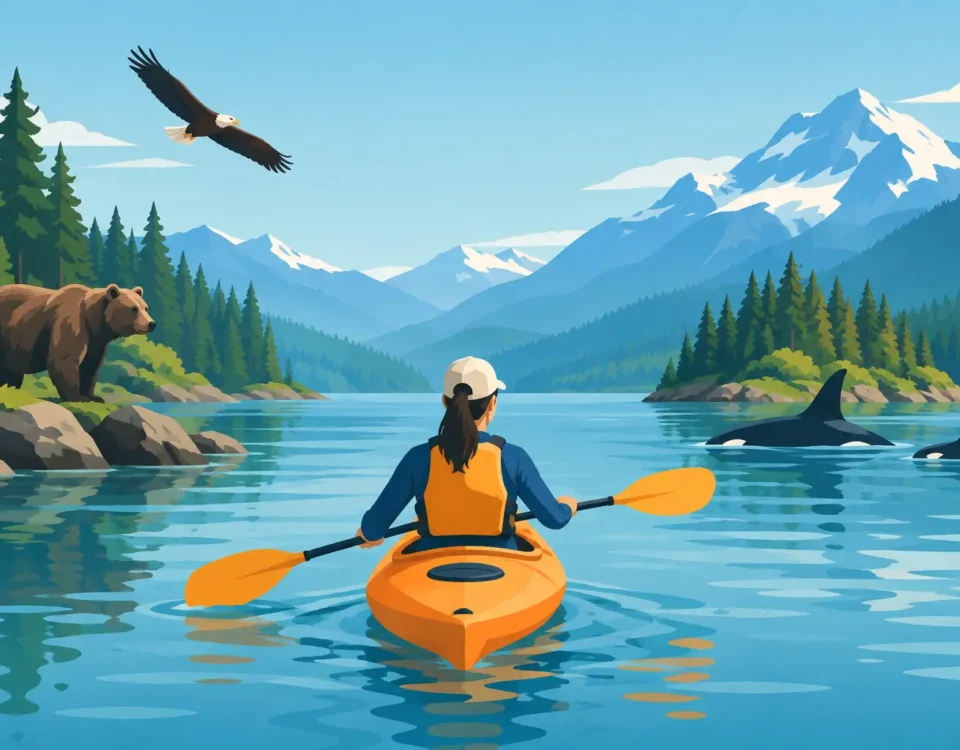
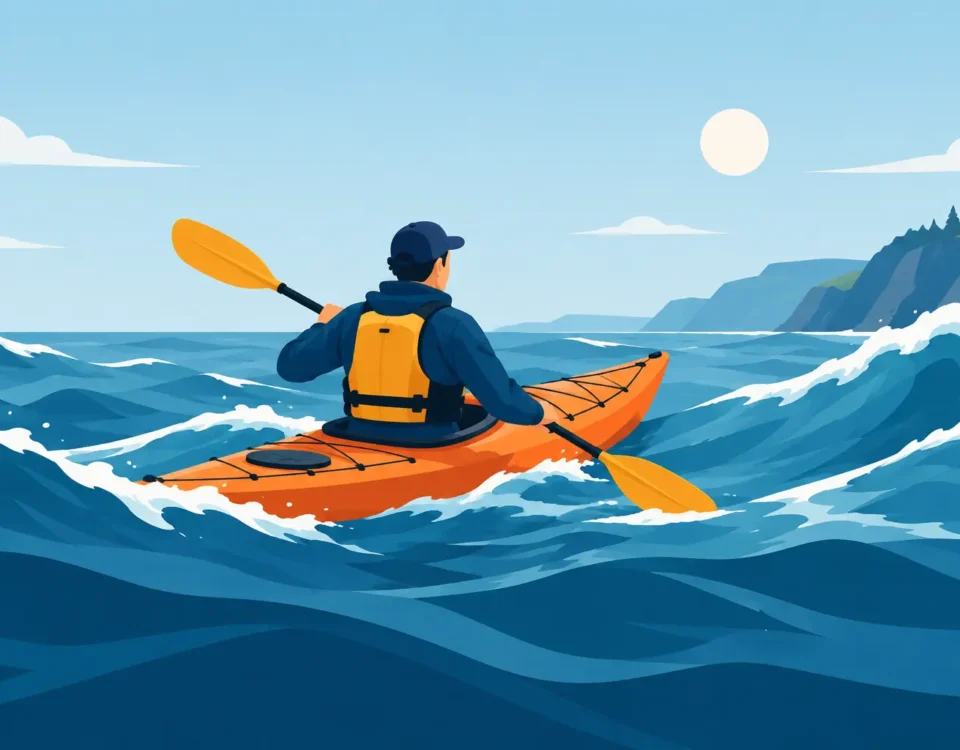
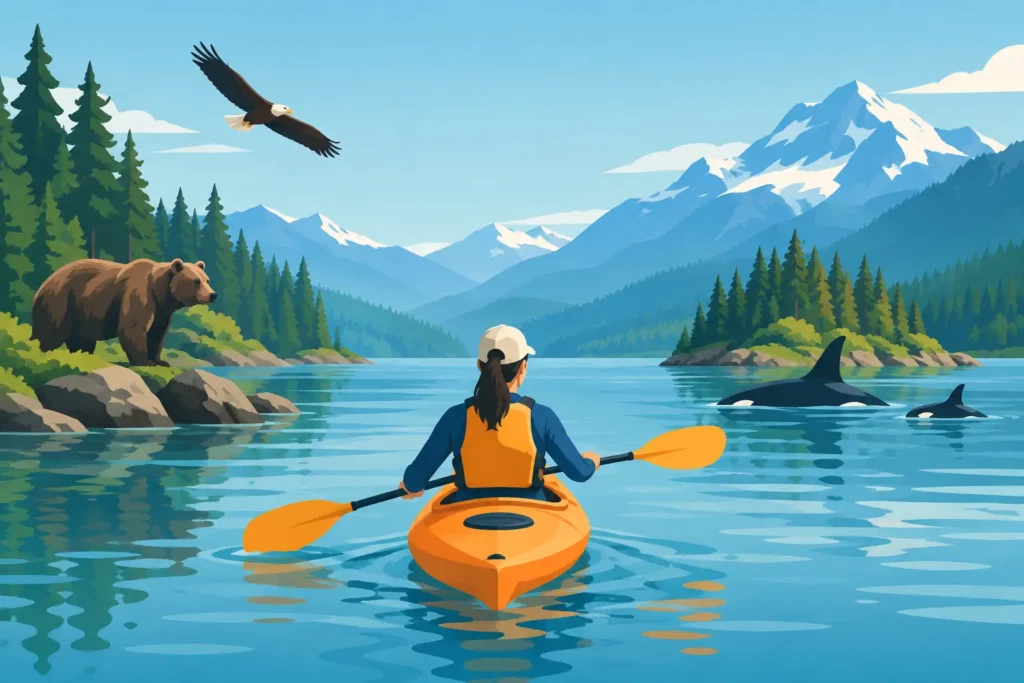
Sea kayaking is one of the most direct ways to experience a tropical rainforest because it reaches places roads cannot. In destinations such as Costa Rica’s Golfo Dulce or Panama’s San Blas region, the forest often drops right to the waterline. From a kayak, you move quietly along jungle-covered shorelines, through mangrove channels, and past isolated beaches where the only arrivals are birds, monkeys, and the occasional fishing boat.
It is also a highly adaptable adventure. You do not need to be an elite paddler for a guided multi-day expedition, but you should be comfortable being active for several hours a day. A professional guide can match the route, pace, and rest stops to the group while handling weather decisions, tide timing, navigation, and safety systems.
The reward is more than the paddling. Kayaking creates space for wildlife observation, snorkeling breaks, beach landings, and nights at small ecolodges or carefully selected camps. It is rainforest travel with momentum and purpose.
2. Take a Guided Night Hike
A rainforest changes character after dark. Daytime birds settle down, while frogs, insects, bats, snakes, and nocturnal mammals take over. A night hike is often where travelers realize how much life was hidden in plain sight during the day.
Guided walks are essential here. A skilled naturalist knows where to look, how to use lights responsibly, and how to keep the group on safe ground. You may spot red-eyed tree frogs, katydids shaped like leaves, sleeping birds, or a kinkajou moving through the branches. You may also see very little on a given night, which is part of the honest appeal of wildlife travel. The forest does not perform on command.
Wear closed-toe shoes, use insect protection, and keep your expectations focused on the experience rather than a checklist. The sounds alone are worth the walk.
3. Hike to Waterfalls and Swimming Holes
A rainforest waterfall hike delivers the classic combination of effort and payoff. Trails may cross shallow streams, climb muddy slopes, and pass beneath broad-leafed plants before reaching clear water falling into a cool pool. In the humid lowlands, that final swim can feel earned.
The trade-off is terrain. A short route can still be slippery, hot, and more demanding than its mileage suggests. Good footwear with grip matters more than a fashionable trail shoe, and a dry bag keeps electronics and spare clothing protected. Travelers with limited mobility should ask about elevation gain, trail surface, and river crossings before committing.
Choose hikes led by guides who understand current conditions. Tropical trails can change quickly after rain, and local route knowledge makes a safer, more enjoyable day.
4. Walk High in the Canopy
Canopy walks, hanging bridges, and elevated platforms offer a different perspective on the rainforest. On the forest floor, your view is often limited by dense vegetation. High above it, you can see the layered structure of the jungle: towering emergent trees, flowering crowns, bromeliads, and distant ridgelines disappearing into cloud.
This is a strong option for travelers who want a memorable rainforest experience without an all-day physical commitment. Most canopy walks are accessible to reasonably active visitors, though suspension bridges can feel intimidating if you are uncomfortable with heights.
Go early if possible. Cooler temperatures, softer light, and more active birdlife make the morning a better window than midday. Move slowly, pause often, and bring binoculars if you have them. The best sightings usually happen when the group stops rushing toward the next platform.
5. Look for Wildlife From the Water
Rivers, lagoons, and flooded forest channels are wildlife corridors. A quiet paddle or small-boat outing can reveal caimans along muddy banks, turtles on sunlit logs, herons hunting in the shallows, and monkeys traveling through trees overhead. In Tortuguero, waterways create an extraordinary route into a rainforest landscape that remains difficult to reach by road.
The difference between a wildlife cruise and a worthwhile wildlife excursion is pace. Fast boats cover distance, but a slow, low-impact craft gives guides time to notice movement and lets animals behave naturally. Kayaks are especially effective in calm conditions because they are nearly silent.
Bring a rain layer even in the dry season, keep cameras protected, and accept that tropical weather is part of the expedition. A passing shower can make the rainforest feel more alive, not less accessible.
6. Snorkel Where the Jungle Meets the Sea
In Costa Rica and Panama, some of the best rainforest adventures do not stop at the shoreline. Paddle out from a jungle beach, slip on a mask, and a second ecosystem appears below the surface. Reef fish, rays, coral formations, and sea turtles may be found just offshore, depending on the location and season.
Snorkeling works especially well on multi-day coastal expeditions because it breaks up paddling days and adds variety without requiring major additional logistics. Conditions matter, however. Visibility, wind, tide, and currents determine whether a site is suitable. Responsible guides make conservative calls when water conditions are not right.
That is not a compromise. It is what good expedition leadership looks like: putting the guest experience and safety ahead of forcing an itinerary.
7. Camp on a Remote Beach
A remote beach camp replaces resort noise with waves, night birds, and a sky full of stars. After a day of paddling or hiking, arriving at camp brings a satisfying rhythm: land the boats, organize dry gear, enjoy a well-prepared meal, and watch the light fade over the water.
Camping is not for everyone, especially travelers who need a predictable sleep environment or prefer private facilities each night. But on a well-supported expedition, it does not mean roughing it without care. Quality tents, dry storage, good food, clean water systems, and an experienced crew transform an exposed shoreline into a comfortable basecamp.
The real value is access. Beach camping lets you wake up in places that day visitors leave behind.
8. Learn From Local and Indigenous Communities
Rainforest travel has more depth when it includes the people who live closest to the landscape. In Panama’s San Blas region, cultural encounters can offer insight into Guna traditions, island life, food, craftsmanship, and the relationship between community and sea.
These experiences should never feel staged or extractive. The best operators work with local hosts, respect community rules, and make sure visits contribute directly to the people sharing their home. Come prepared to listen, ask thoughtful questions, and follow photography guidelines.
Cultural exchange is not an add-on to an expedition. It is often what gives a journey its lasting context.
9. Go Birding With a Naturalist Guide
You do not need to call yourself a birder to be impressed by a rainforest birding walk. Toucans, motmots, trogons, parrots, kingfishers, and hummingbirds bring color and movement to every level of the forest. A guide trained in bird calls can locate species that most visitors would walk straight past.
Early mornings are the prime time, especially near forest edges, rivers, and fruiting trees. This activity rewards patience. Instead of covering ground quickly, you settle into one area and let the forest reveal itself.
For travelers who want more than a fleeting wildlife sighting, birding is a reason to slow down and sharpen attention.
10. Choose a Multi-Day Rainforest Expedition
The greatest advantage of a multi-day itinerary is not simply that it fits in more activities. It gives you time to adjust to the landscape. By day three, you are more likely to recognize a monkey call, notice the shift between tidal zones, and feel at ease moving through wet, wild terrain.
A guided expedition also removes the logistical friction that can complicate independent rainforest travel. Transfers, route planning, equipment, accommodations, meals, weather decisions, and emergency preparation are managed by people who know the region. That leaves you free to focus on the experience while still taking on a genuine adventure.
For travelers seeking rainforest immersion with professional support, Sea Kayaking Costa Rica combines coastal paddling, wildlife observation, snorkeling, ecolodge stays, and remote camps into carefully managed small-group journeys.
The right rainforest adventure should leave you pleasantly tired, more capable than when you began, and keenly aware that the wildest moments rarely arrive on schedule. Give yourself enough time, travel with guides who respect the terrain, and let the forest set the pace.