Top Panama Island Experiences for Active Travelers
September 9, 2026
The 10 Best Rainforest Adventure Activities
September 13, 2026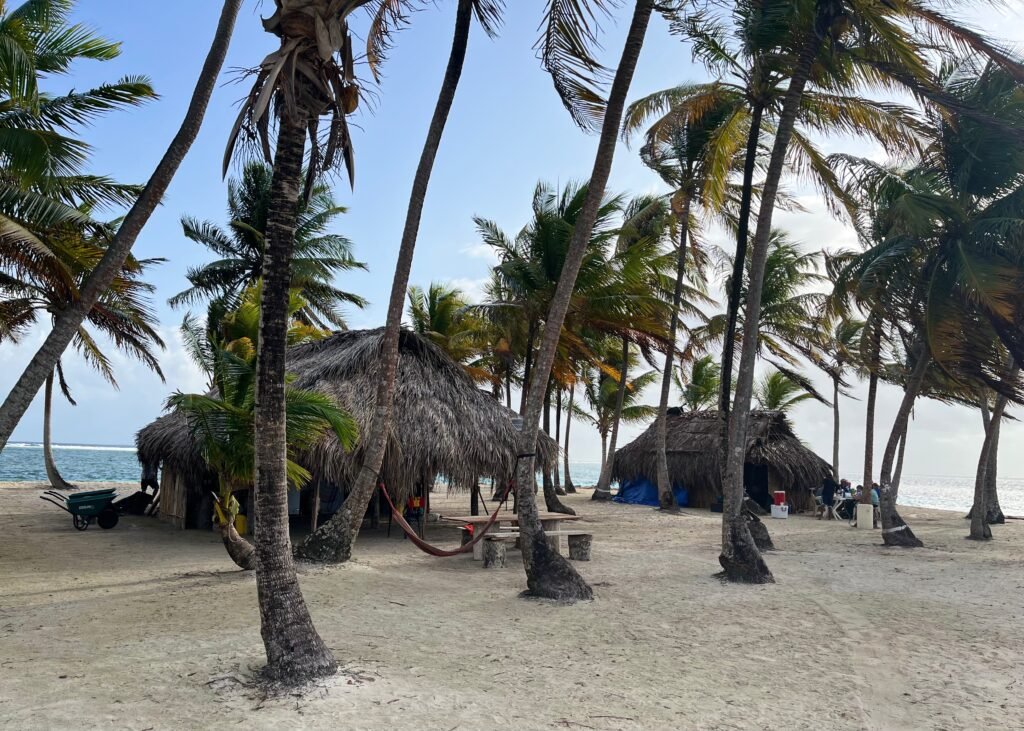
Adventure tourism is not about checking off the biggest thrill on a list. The best trips put you in places most visitors never reach: paddling beneath rainforest-covered ridges, watching scarlet macaws cross a quiet gulf, snorkeling a reef before lunch, or sharing a meal with people whose coastline is still part of daily life. For travelers who want more than a resort view, Costa Rica and Panama offer a rare combination of wild landscapes, living culture, and active days on the water.
The difference is how you experience it. A well-designed expedition gives you the physical satisfaction of moving through a landscape under your own power while leaving room for wildlife, comfort, recovery, and the unexpected moments that make a journey stay with you.
What Adventure Tourism Should Feel Like
A meaningful adventure has some edge to it, but it should not feel like an endurance test created for bragging rights. It should challenge you in useful ways: getting into a rhythm with your paddle, adjusting to the tide, hiking a short rainforest trail after a morning on the water, or sleeping beneath a louder-than-usual chorus of frogs and insects.
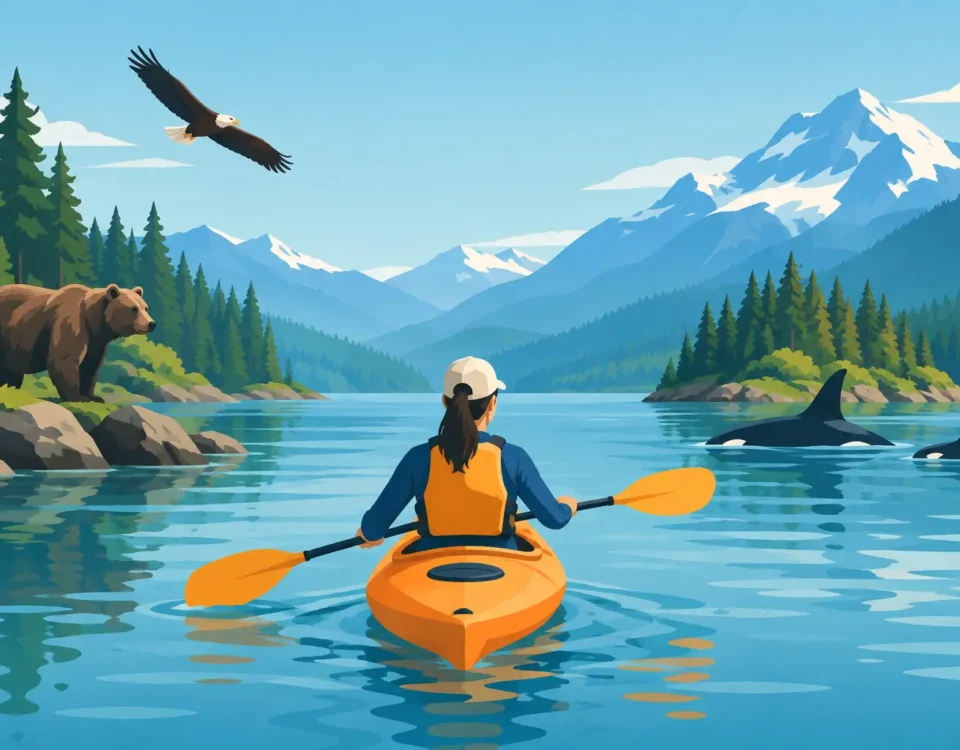
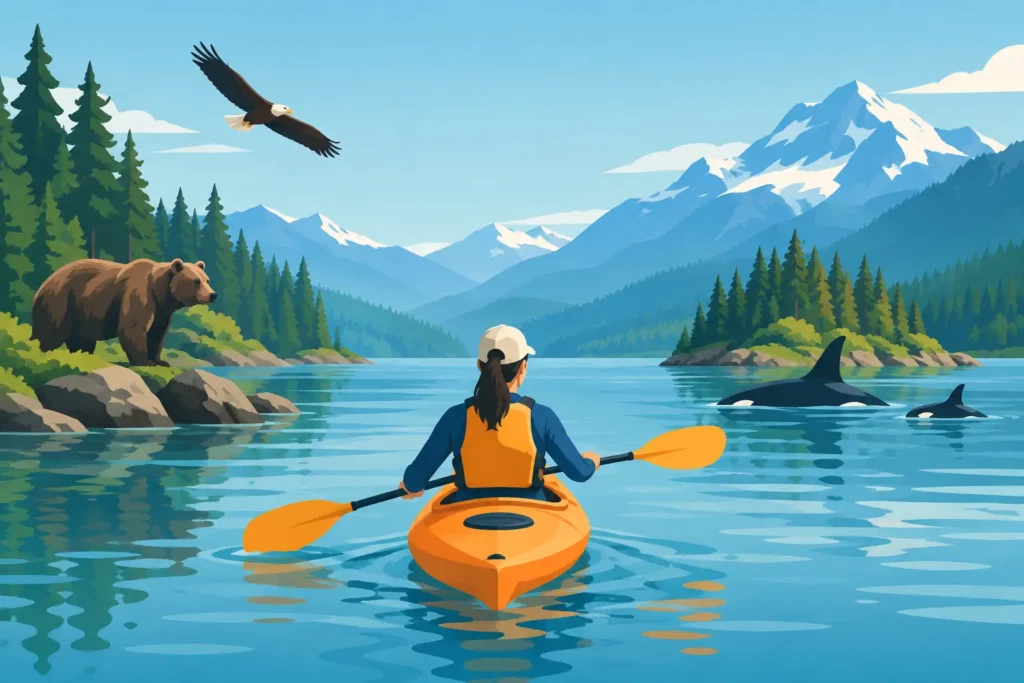
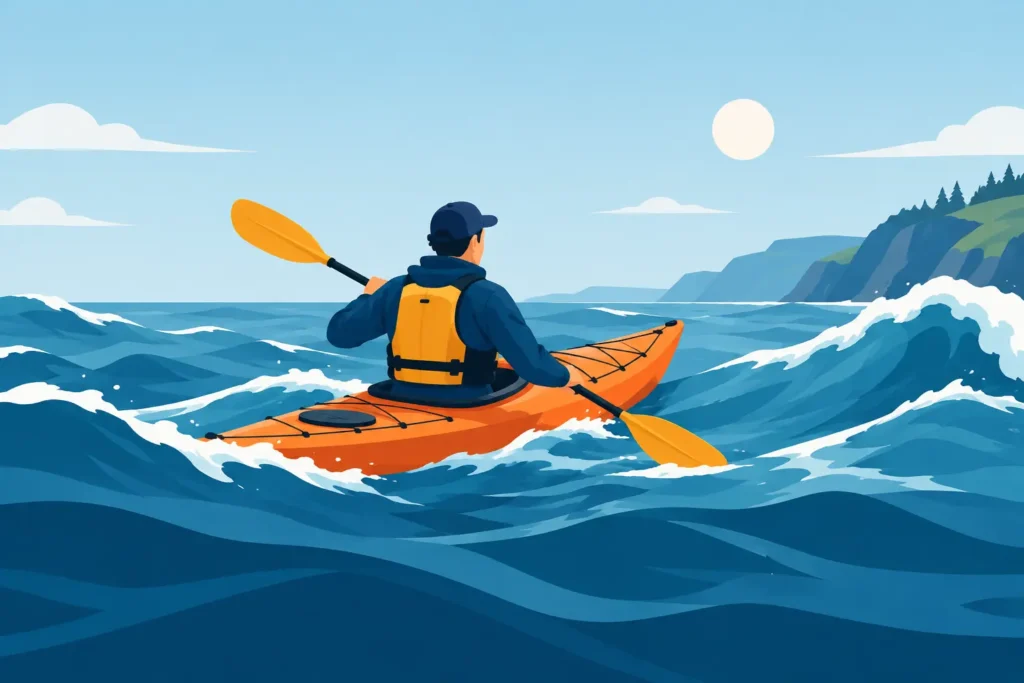
For many active travelers, sea kayaking is the right balance. You cover real distance without rushing through the coast in a motorboat. You are close enough to notice a heron lifting from the mangroves, a sea turtle surfacing ahead of your bow, or the changing texture of a shoreline as forest gives way to beach. Yet with a capable guide, proper equipment, and a thoughtful route, the experience is accessible to paddlers with a range of backgrounds.
That balance matters. A trip can be too tame and feel packaged, or too aggressive and leave no energy for the destination itself. The strongest itineraries build in both active travel and unhurried immersion.
Why Costa Rica and Panama Deliver
Tropical Central America is unusually well suited to expedition-style travel. In a single week, you can travel through dense rainforest, paddle protected tropical waters, look for monkeys and dolphins, snorkel clear shallows, and meet coastal communities with distinct traditions. These are not separate attractions connected by long bus rides. On the right route, they are part of the same journey.
Costa Rica’s Golfo Dulce is a standout for travelers who want a quieter side of the country. Sheltered by the Osa Peninsula and lined with forest, the gulf offers a dramatic setting for lodge-to-lodge kayaking. Days can bring calm-water paddling, birdlife, secluded beaches, and the possibility of marine wildlife, while nights offer the comfort of thoughtfully selected lodges rather than a new hotel every evening.
Tortuguero offers a different kind of reward. Its network of waterways moves through one of Costa Rica’s most wildlife-rich regions. Kayaking here is less about open-water mileage and more about patient observation. Sloths in riverside trees, caimans along the bank, monkeys moving through the canopy, and an extraordinary range of birds can turn a short stretch of water into a full morning of discovery.
Across the border, Panama’s San Blas islands add a cultural dimension that is difficult to replicate. The Caribbean water and island scenery are striking, but the deeper value is the opportunity to experience the Guna Yala region with respect and local context. A responsible trip does not treat communities as scenery. It creates time for genuine exchange, follows local protocols, and recognizes that these islands are home, not a themed stopover.
The Case for a Guided Expedition
Remote travel rewards preparation. It also exposes the gaps in a loosely planned itinerary: uncertain launch points, changing weather, hard-to-find supplies, limited communication, and the simple reality that the best camps and coastal routes are rarely obvious from an online map.
A professional guide changes the experience from the moment you arrive. They read wind and water conditions, set a pace that works for the group, teach efficient paddling technique, and make sound decisions when a plan needs to change. They also know where wildlife tends to appear, which beach is best for a break, how to work with local hosts, and when to give a place the quiet it deserves.
This support does not make the trip less adventurous. It makes the adventure more worthwhile. Instead of spending your vacation solving transportation problems or second-guessing a weather forecast, you can focus on the day ahead.
At Sea Kayaking Costa Rica, the expedition model is built around small groups, specialized local knowledge, quality gear, and carefully managed logistics. That includes the less glamorous details that make a big difference: dry bags that work, boats suited to the route, meals timed around active days, and guides who understand both the destination and the responsibilities of leading people through it.
Choosing the Right Level of Challenge
Adventure travel is personal. One traveler wants long, athletic paddling days and remote campsites; another wants wildlife-rich routes, comfortable lodging, and time to absorb the setting. Neither approach is more legitimate. The key is choosing a trip that matches your interests and your actual fitness level, not the version of yourself you imagine after watching a highlight reel.
Ask how many hours you will typically paddle each day, what conditions are common, and how much previous experience is expected. Find out whether the route uses protected bays, exposed crossings, or both. Ask about lodging, camping, bathroom arrangements, dietary planning, and luggage handling. Clear answers are a mark of an operator that has done the work.
You do not need to be an elite athlete to enjoy a multi-day sea kayaking trip. Comfort in the outdoors, a reasonable baseline of fitness, and a willingness to be active for several days are often more relevant than previous kayaking mileage. Good guides provide instruction, help refine technique, and keep the group moving at a sustainable pace. Still, it is wise to train before departure with regular walks, cycling, swimming, or paddling if you have access to it. Stronger shoulders and core muscles make each day more enjoyable.
Safety Is Part of the Experience
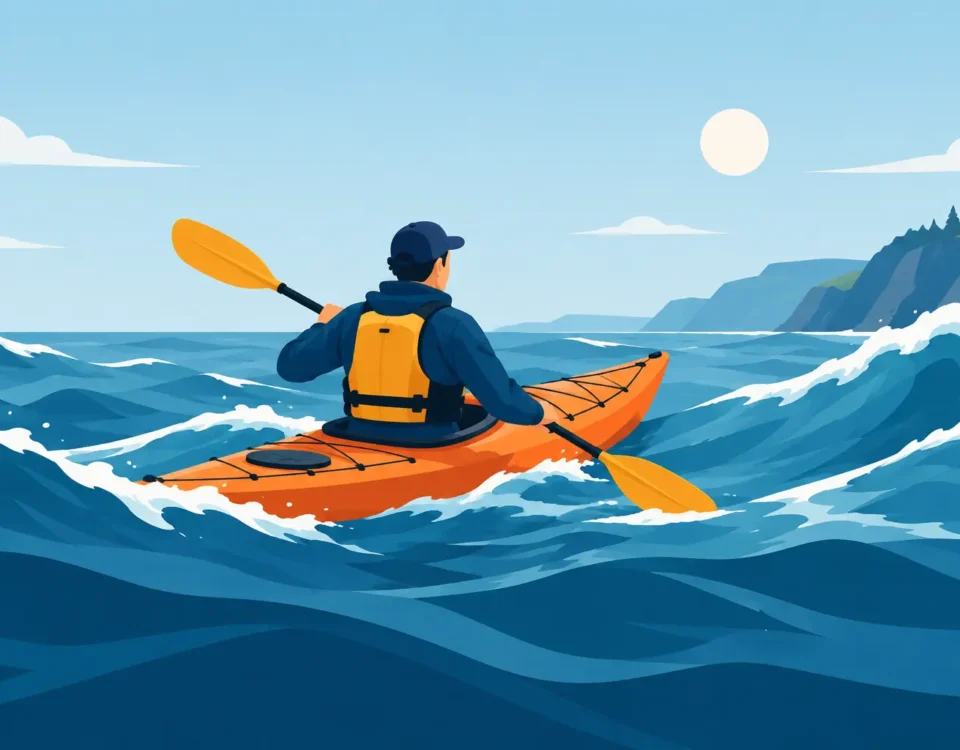
The most memorable expeditions feel free, but they are never careless. Tropical weather can shift quickly. Heat and humidity require hydration and sun protection. Coastal routes demand attention to wind, currents, boat traffic, and landing conditions. In remote settings, a small injury can become more complicated than it would be at home.
That is why safety should be visible in the way a trip is designed. Look for guides trained in first aid and rescue practices, well-maintained sea kayaks, communication systems appropriate to the route, realistic group sizes, and clear screening before departure. A good outfitter also has the confidence to alter a route, delay a crossing, or choose a safer landing when conditions call for it.
There is a trade-off here. A fixed itinerary can sound reassuring, but nature does not run on a fixed itinerary. The best operators plan thoroughly while retaining the judgment to adapt. A weather change may mean a different beach, a shorter paddle, or a revised activity. That flexibility protects the group and often leads to experiences no schedule could have promised.
Travel Lightly, Leave More Behind Than Footprints
Adventure tourism can support conservation and local economies, but only when travelers and operators make deliberate choices. Small groups reduce pressure on sensitive places. Locally sourced meals, locally owned lodges, and community partnerships keep more of the value in the region. Careful waste management, reef-safe practices, and respect for wildlife distance protect the ecosystems that make the trip possible.
Your behavior matters as much as the operator’s policy. Keep voices low around animals. Never feed wildlife. Use refillable water containers when possible. Ask before photographing people, especially in Indigenous communities. Buy local crafts directly and remember that cultural exchange works best when curiosity is paired with humility.
The goal is not to pass through an untouched paradise. Most wild places are also working homes, protected areas, and cultural landscapes. Travel becomes more meaningful when you recognize that complexity rather than consuming a destination as a backdrop.
Plan for the Moments Between the Big Ones
People often remember the headline experiences: a whale breach, a perfect snorkeling reef, a dawn paddle through mist. But multi-day travel earns its value in the quieter spaces too. Coffee before launching. Drying off after an afternoon rain. Trading stories at dinner with people who started the week as strangers. Looking across the water at a coastline with no high-rises, no traffic, and no pressure to be anywhere else.
Choose adventure tourism that gives those moments room to happen. Bring a sense of curiosity, prepare for active days, and let experienced guides handle the details that turn a beautiful place into a true expedition.