Best Costa Rica Eco Adventure Packages
July 9, 2026
What a Lodge to Lodge Kayaking Trip Feels Like
July 12, 2026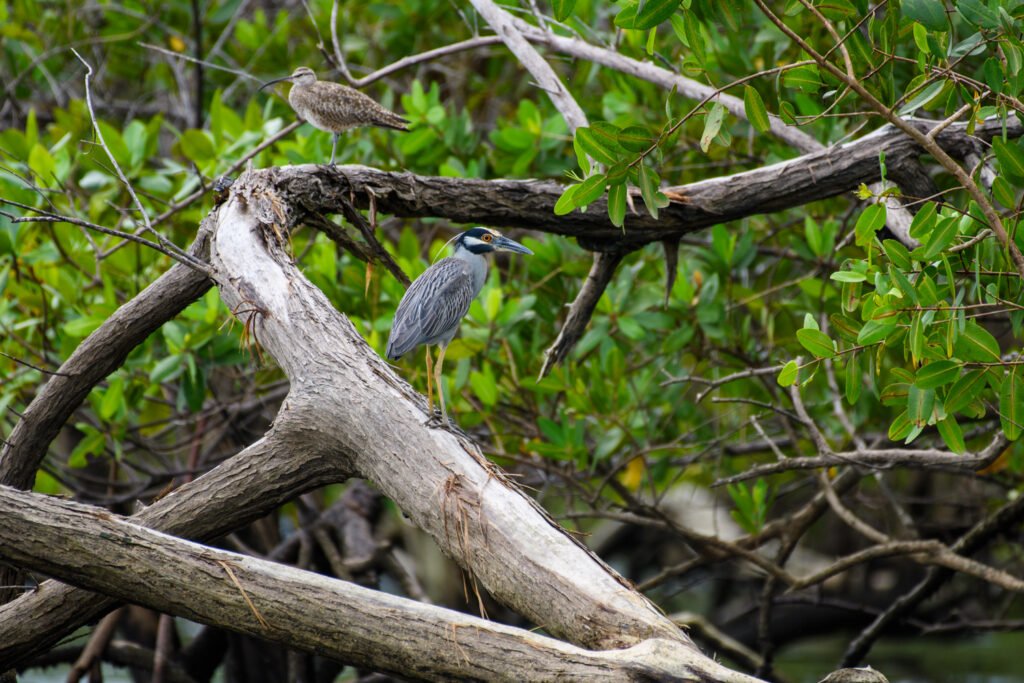
You do not come on a costa rica wildlife kayaking trip to sit at a distance and hope nature puts on a show. You come to move quietly through mangrove channels at first light, to hear howler monkeys before you see them, and to watch a caiman slide off a muddy bank as your kayak slips past. In Costa Rica, the best wildlife encounters often happen low to the water, far from roads, crowds, and engine noise.
That is what makes kayaking such a strong fit for this country. In the right places, it is not just transportation. It is access. It gets you into narrow waterways, protected coastlines, and remote rainforest edges where wildlife is active and the pace feels right. For travelers who want more than a quick boat ride or a crowded nature walk, a guided paddling expedition can deliver a much deeper experience.
Why a Costa Rica wildlife kayaking trip works so well
Costa Rica packs an unusual amount of biodiversity into a relatively compact country, but not every wildlife trip feels immersive. Safari trucks, motorboats, and lodge transfers can get you close, yet they often keep you moving fast. A kayak changes that. You travel slowly, quietly, and at eye level with the landscape.
That matters in mangrove ecosystems, river mouths, calm gulfs, and jungle canals. Birds stay settled longer. Monkeys can be heard moving through the canopy. Reptiles bask on branches and shorelines. You notice details that disappear at higher speed – scarlet macaws crossing overhead, basilisks skipping along the bank, a sloth curled high in the trees above a landing beach.
There is a trade-off, of course. Kayaking is active. You earn the access with a paddle in your hands, humid air, and full days outside. For most travelers, that is part of the reward. But the best trip is not always the hardest trip. Route design, weather windows, guide support, and daily mileage all shape whether the experience feels exhilarating or exhausting.
Best places for a Costa Rica wildlife kayaking trip
If wildlife is the priority, destination choice matters more than many travelers realize. Costa Rica has strong paddling in several regions, but the character of each trip is different.
Tortuguero for jungle canals and nonstop wildlife
Tortuguero is one of the clearest examples of why a costa rica wildlife kayaking trip can outperform a standard sightseeing tour. This lowland Caribbean region is a maze of canals, lagoons, and rainforest-lined waterways where paddling gives you a front-row seat to daily wildlife activity.
Expect monkeys, caiman, river turtles, iguanas, and a serious variety of birdlife. Green ibis, toucans, herons, jacanas, kingfishers, and toucans are all possible depending on season and route. During sea turtle nesting periods, the broader region becomes even more compelling, though turtle viewing itself is usually managed under specific local regulations and separate guided outings.
The big advantage here is density. You are rarely paddling long stretches with nothing happening. The environment feels alive from the moment you launch.
Golfo Dulce for marine life and rainforest immersion
On the southern Pacific coast, Golfo Dulce offers a different kind of wildlife experience. This tropical fjord is known for calm water, lush rainforest, and strong chances to see both coastal and marine species. Paddlers here may encounter dolphins, scarlet macaws, monkeys, and a wide range of shorebirds, with opportunities for snorkeling in some itineraries.
This is often a better fit for travelers who want a true expedition feel – coastal paddling, remote beaches, ecolodge stays, and a stronger sense of moving through a large wild landscape. Wildlife can be spectacular, but it unfolds across a broader setting than Tortuguero’s concentrated canal system.
Mangroves and estuaries for specialized day trips
Shorter paddles in mangroves and estuaries can be excellent for birding and beginner-friendly wildlife viewing. The challenge is consistency. A day trip may be easy to add onto a larger vacation, but it rarely matches the depth of a multi-day itinerary built around prime hours, changing habitats, and repeat wildlife exposure.
If you have limited time, this can still be worthwhile. If wildlife is the main reason you are coming, a dedicated expedition usually delivers more.
What wildlife you can realistically expect to see
Costa Rica has a deserved reputation for biodiversity, but good outfitters do not promise a zoo checklist. Wildlife is wild. Weather, season, water levels, and plain luck all affect sightings.
That said, certain patterns are consistent. On a well-designed kayaking trip, common sightings often include monkeys, caiman, iguanas, herons, egrets, kingfishers, and other tropical bird species. Depending on region, you may also see sloths, basilisks, river otters, dolphins, sea turtles, and macaws.
The real value of a guided trip is not just spotting animals. It is understanding where and when to look. Experienced local guides read tides, habitat, feeding patterns, and weather shifts. They know which quiet bends hold caiman, which fruiting trees attract birds, and when dawn launches are worth the early alarm. That expertise turns random paddling into purposeful wildlife travel.
Guided vs. independent travel
For some destinations, renting a kayak and heading out on your own can work. For a serious Costa Rica wildlife-focused itinerary, guided usually makes more sense.
Remote launches, boat transfers, weather judgment, route timing, and local regulations are not details you want to sort out on the fly in a tropical environment. Add wildlife interpretation, safety support, and logistics between paddling areas, and the gap between a decent trip and an exceptional one gets wide.
This is especially true for multi-day expeditions. Quality operators handle the hard parts well: reliable equipment, dry storage, lodging or camp logistics, meals, local transport, and pacing that suits the group. You still get the adventure, but not the stress spiral that can come with trying to piece it all together yourself.
That is one reason many travelers choose specialized outfitters like Sea Kayaking Costa Rica. Region-specific knowledge is hard to fake, and on expedition-style travel, details matter.
Who this trip is right for
A costa rica wildlife kayaking trip is a strong match for active travelers who want immersion without needing to be elite athletes. Most guided trips are designed for beginners to intermediate paddlers with reasonable fitness, not just seasoned expedition kayakers.
The key is attitude more than speed. You should be comfortable being outdoors for long stretches, handling heat and humidity, and embracing changing conditions. Some days are glassy and easy. Others bring wind, rain, or muddy landings. If you like polished resort travel with wildlife as a side activity, this may feel too raw. If you want your vacation to feel earned, you are in the right category.
Couples, solo travelers, and small groups often do especially well on these trips because the format stays personal. Small group travel also tends to be better for wildlife. Less noise, less waiting, and more flexibility.
What to ask before you book
Not all kayaking trips marketed around nature are built equally. Some are essentially transportation between hotels with a little wildlife watching added in. Others are true natural history experiences designed around habitat, timing, and local expertise.
Ask about group size, guide credentials, daily paddling distances, water conditions, lodging style, and how often wildlife is a central part of the itinerary versus a possible bonus. It is also smart to ask whether the trip is sea kayaking, flatwater canal paddling, or a mix. Each has a different feel.
Pay attention to how the operator talks about safety. Strong companies are clear about support, equipment quality, weather planning, and skill expectations. That is not less adventurous. It is what allows the adventure to stay fun.
When to go
Costa Rica is a year-round destination, but the best timing depends on where you paddle. Caribbean-side and Pacific-side conditions do not always line up, and wildlife patterns shift through the year.
Tortuguero can be rewarding across multiple seasons, though rainfall is always part of the equation. The southern Pacific also changes with the green season and drier months. Rain should not automatically scare you off. In tropical ecosystems, rain often makes the landscape feel more alive. But it can affect comfort, visibility, and route choice.
A good outfitter helps match the season to the experience you want – more canal wildlife, more coastal paddling, calmer seas, better snorkeling, or specific natural events.
The real payoff
The best part of this kind of trip is not just the species list you bring home. It is the rhythm of the days. Launching early while the forest wakes up. Pulling onto a beach for lunch with no road in sight. Falling asleep in an ecolodge or camp after a full day outside. Watching the country reveal itself at paddling speed instead of passing by through a bus window.
That is why a wildlife kayaking trip in Costa Rica stands out in a crowded adventure market. It gives you real access, not staged access. And when the route, guides, and destination line up, it feels less like a tour and more like stepping into the living edge of the rainforest.
If you are choosing between a vacation that shows you nature and one that puts you inside it, go with the paddle.