
Guided Trips Versus Independent Travel Compared
August 9, 2026
Costa Rica or Panama Kayaking: Which Trip Wins?
August 12, 2026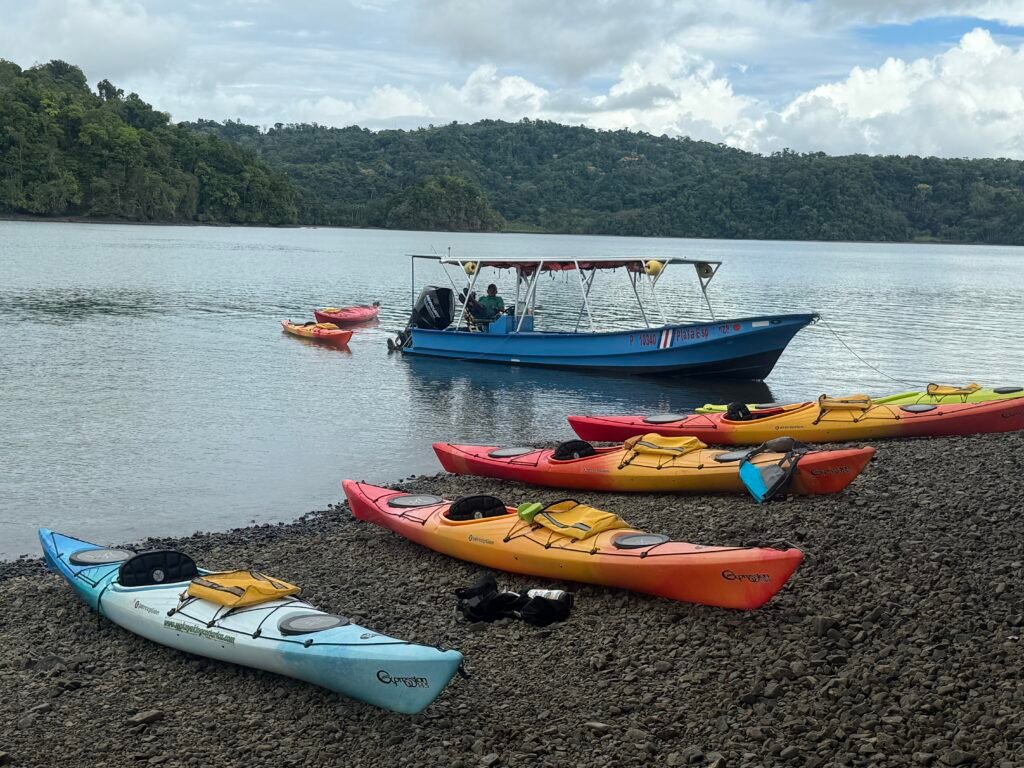
A great tropical paddling trip is not built around a single perfect beach photo. It is built around the moments between launches: reading the morning weather, spotting dolphins off the bow, arriving at a remote lodge, and knowing your route, gear, and guide team are ready for the day. Smart sea kayaking vacation planning turns those moments into an expedition you can enjoy rather than a logistics problem you have to solve.
For travelers drawn to Costa Rica and Panama, the choices are especially rewarding. You can paddle sheltered rainforest coastlines, snorkel clear water, watch wildlife from the cockpit, sleep in ecolodges or camp on quiet shores, and meet communities far from the standard resort circuit. The trick is choosing an itinerary that matches your travel style, physical comfort, and appetite for the wild.
Start sea kayaking vacation planning with the route
Not all tropical kayaking is the same. A route can be warm and welcoming while still demanding good judgment. Wind, tide, boat traffic, open-water crossings, surf landings, humidity, and daily paddling distance all shape the experience.
Begin with the setting you want to wake up in. Costa Rica’s Golfo Dulce offers a dramatic Pacific backdrop of rainforest-covered mountains and protected waters. It is a strong fit for travelers who want an active lodge-to-lodge journey with a sense of genuine remoteness. Tortuguero is a different kind of expedition, where paddling through canals and coastal waterways puts wildlife at the center of the day. In Panama’s San Blas archipelago, the draw is a combination of turquoise water, island-to-island paddling, snorkeling, and meaningful Guna cultural encounters.
Then consider how much exposure you want. Sheltered bays and inland waterways can feel more approachable for newer paddlers, but they still require awareness of heat, rain, and changing conditions. Island routes may include more wind and open water, which can be thrilling for confident paddlers but less appealing if your goal is a relaxed first trip. A good operator should explain the actual conditions, not simply label a trip “beginner friendly.”
Ask about daily mileage, expected time on the water, landing conditions, and the backup plan for weather. Those details reveal far more than a vague difficulty rating.
Choose the season for your priorities
There is no single best time for a sea kayaking vacation in the tropics. The best season depends on whether you value calmer conditions, wildlife activity, fewer travelers, or a particular coastal region.
Costa Rica has regional weather patterns, not one nationwide forecast. The Caribbean side and Pacific side can have very different rainfall and wind windows. A period that is excellent for the Golfo Dulce may not be the most comfortable choice for Tortuguero, and vice versa. Panama’s Caribbean waters also follow their own seasonal rhythm.
Rain should not automatically rule out a trip. Tropical rain can be brief, dramatic, and part of the rainforest experience. Persistent wind, however, has a greater effect on paddling plans. Experienced guides may adjust launch times, alter a route, or choose a more protected objective to keep the group safe and comfortable. That flexibility is a strength, not a compromise.
If wildlife is high on your list, plan around the species and behavior you hope to see. Sea turtles, monkeys, tropical birds, dolphins, and marine life each have patterns, but wildlife is never guaranteed. The best trips build in enough time on the water and ashore that sightings become likely without treating nature like a scheduled performance.
Be honest about your paddling background
You do not need to be an elite athlete to join a guided sea kayaking expedition. You do need to be ready for several active days in a row. The physical challenge is usually less about speed and more about consistency: paddling in heat, getting in and out of a kayak from a beach, carrying a dry bag, swimming or snorkeling, and recovering well overnight.
First-time sea kayakers often do very well on professionally guided trips when the route is selected thoughtfully. Touring kayaks are stable, guides provide instruction, and small groups allow for more individual attention. But being new to kayaking is different from being unprepared for an active vacation. Build basic conditioning before departure with walks, cycling, swimming, rowing, or other endurance work. Add shoulder mobility and core strength, especially if your normal workday involves long hours at a desk.
Experienced paddlers should also resist assuming every tropical itinerary is easy. Saltwater, sun exposure, and variable wind can make a modest distance feel more demanding than the same mileage at home. Choose a trip for the complete experience, not just the number of miles you can cover.
Match the group, not just the destination
Your travel companions affect the trip as much as the route. Couples and friends with different fitness levels can still travel well together when the itinerary allows a sustainable pace and the guides manage the group closely. The right small-group expedition does not leave slower paddlers feeling rushed or stronger paddlers feeling underused.
Before booking, ask whether there are support options, how guides position the group on the water, and whether the itinerary has room for weather days or adjusted objectives. A quality expedition team plans for variation because real travel always includes it.
Put safety and guide quality ahead of bargain pricing
Remote coastlines are exactly what make sea kayaking memorable. They also make guide experience, communication, and equipment standards non-negotiable.
Look for an operator with deep knowledge of the specific coast, not just general adventure travel experience. Guides should understand local weather, tides, wildlife protocols, landing sites, emergency communications, and the practical realities of moving people and gear through the region. Ask how the group is briefed before paddling, what safety equipment is carried, how guides handle changing weather, and how medical situations are managed.
Quality gear matters, too. Well-maintained sea kayaks, properly fitted personal flotation devices, paddles sized for the guest, dry bags, first-aid supplies, and reliable communication equipment are part of a professionally run trip. You should not have to bring technical kayaking gear unless the operator specifically requests it.
Premium guided travel costs more because the infrastructure is real: trained guides, route scouting, safety systems, local transportation, carefully chosen lodging, food planning, permits, and contingency planning. Sea Kayaking Costa Rica designs its expeditions around precisely these details, allowing guests to focus on the paddle stroke, the scenery, and the experience in front of them.
Plan travel days with room to breathe
The most common mistake in expedition travel is booking flights too tightly around the trip. International arrivals can be delayed, bags can miss connections, and regional transfers may take longer than a map suggests. Arrive at least one night before your expedition begins when possible, particularly if the first day requires a domestic flight, long road transfer, or boat connection.
The same logic applies at the end. Add a buffer night before your international flight home if the itinerary finishes in a remote area. It gives you time to repack, enjoy a real shower, and avoid turning a spectacular final paddle into a race against airport traffic.
Check passport validity early. Confirm entry requirements, travel insurance coverage for adventure activities, and any medical considerations with your doctor. Insurance should cover trip interruption, emergency evacuation, and the kayaking activities included in your itinerary. Read the policy language instead of assuming every outdoor activity is automatically covered.
Pack for life on and off the water
In tropical conditions, the most valuable clothing is the clothing you will actually wear repeatedly. Quick-drying layers, sun protection, and a practical system for keeping essentials dry matter far more than a large suitcase.
Bring these core items:
- A long-sleeve sun shirt, swimsuit, lightweight paddling shorts, and a warm layer for cool evenings or rain
- A brimmed hat, polarized sunglasses with a retainer, reef-safe sunscreen, and lip balm with SPF
- Water shoes or secure sandals that can handle wet landings and uneven trails
- A reusable water bottle, small personal first-aid kit, insect repellent, and any prescription medications in your carry-on
- A dry bag for essentials, plus a waterproof phone case or small camera protection system
Avoid bringing cotton-heavy clothing, loose flip-flops for landings, or valuable items you would worry about getting wet. If you wear glasses, consider a backup pair. If you use a camera, practice handling it one-handed before the trip. On the water, simple systems win.
Leave space for the parts you cannot schedule
The strongest expeditions have a clear plan without becoming rigid. A guide may call for an early launch to beat afternoon wind. A pod of dolphins may change the pace of a morning. A rainstorm may send the group to a covered lodge deck, where a local conversation becomes the memory everyone carries home.
That is the real payoff of thoughtful planning: you arrive prepared enough to adapt. Choose a route that fits your abilities, give yourself travel buffers, trust experienced local guides, and pack for the conditions rather than the postcard. Then let the coast surprise you.