

Premium Adventure Travel Packages That Go Deeper
October 3, 2026
8 Best Wildlife Paddling Destinations to Go Wild
October 7, 2026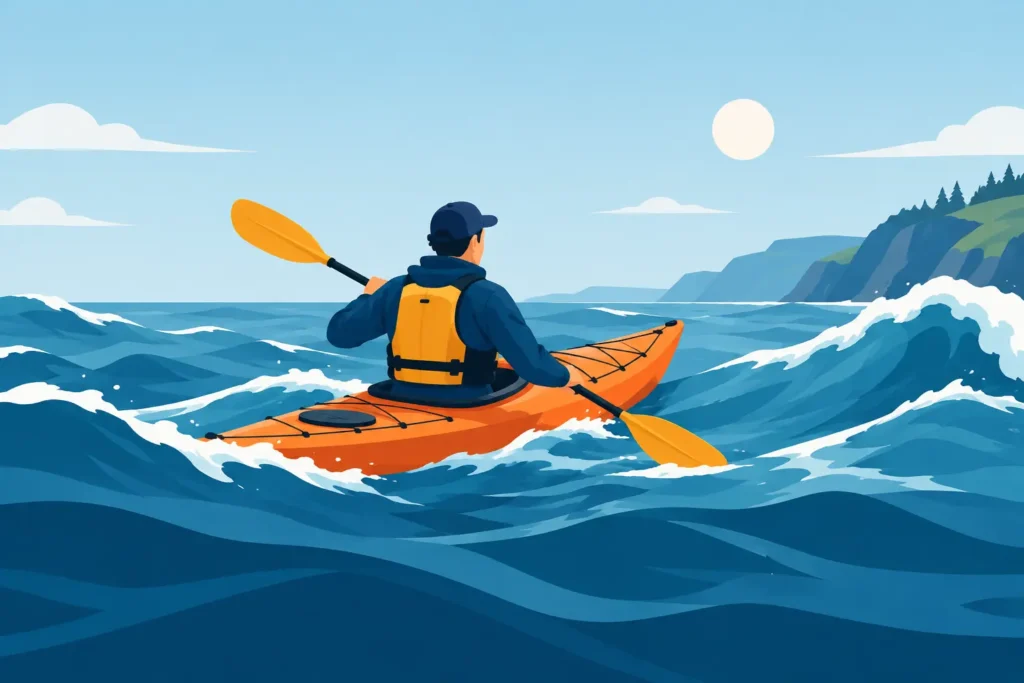
A calm tropical bay can change character quickly when afternoon wind arrives, a boat wake crosses the channel, or swell wraps around a rocky point. So, are kayaks stable in waves? They can be remarkably stable when the kayak, paddler, route, and conditions are well matched. But stability in waves is never just about whether a boat feels wide or narrow at the dock.
For sea kayaking travelers, the better question is: What kind of waves, in what type of kayak, with what support? On a professionally guided expedition, those details are planned before the first paddle enters the water. Route choice, weather windows, group spacing, quality gear, and coaching all shape how secure and enjoyable the experience feels.
What Stability Means on Moving Water
A kayak has two kinds of stability. Primary stability is the reassuring, flat feeling you get when sitting still on calm water. Wider recreational kayaks often feel very stable at this stage. Secondary stability is the resistance you feel as the kayak tips onto its edge. This matters far more when waves, boat wakes, and side chop enter the picture.
A properly designed sea kayak may feel narrower and livelier than a broad rental kayak at first. Yet its longer waterline, lower seating position, fitted cockpit, and shaped hull can make it more predictable in coastal conditions. Rather than abruptly feeling as if it will flip, it gives the paddler a gradual, controllable edge to lean against.
That does not mean every long kayak is automatically suited to rough water. Hull design, load, paddler fit, and skill all matter. A stable experience comes from the full system, not one feature on a spec sheet.
Are Kayaks Stable in Waves? It Depends on the Wave
Not all waves present the same challenge. Small wind chop can make a kayak bounce and spray the paddler, but it is often manageable when approached with good technique. A rolling ocean swell may be larger yet feel smooth and predictable because the water rises and falls beneath the boat without breaking.
The conditions that require more caution are steep, closely spaced waves, breaking surf, confused water created by wind and current, and rebound off cliffs or seawalls. These can push the kayak from several directions at once. A wave hitting from the side, known as beam seas, usually demands more balance and attention than a wave met directly from ahead or behind.
On the protected coastlines and island passages used for many tropical expeditions, guides select routes based on the day’s actual conditions, not simply the planned map line. Sometimes that means crossing early while winds are lighter. Sometimes it means hugging a sheltered shoreline, stopping for a snorkel, or adjusting the day’s destination. Smart decisions on the water are part of the adventure, not a compromise to it.
The Kayak Makes a Major Difference
A touring or expedition sea kayak is built for more than floating around a quiet beach. It is designed to travel efficiently, carry gear, track through wind, and handle varied water over multiple days. Features such as sealed bulkheads, deck lines, a snug cockpit, and a spray skirt improve safety and control when conditions become splashy.
Fit is especially important. A paddler who is sliding around inside an oversized cockpit has less connection to the boat and less ability to respond to a wave. When feet, thighs, hips, and back are supported correctly, the kayak moves with the body instead of feeling like an unstable platform beneath it.
Loaded sea kayaks can also feel more planted than empty ones. Expedition gear lowers the boat in the water and can smooth its motion in chop. Still, loading needs to be balanced from side to side and front to back. Poorly packed gear can affect handling, which is one reason guided trips use organized packing systems and carefully maintained equipment.
Technique Turns Movement Into Control
New paddlers often try to stay perfectly rigid when a wave approaches. That instinct is understandable, but it can make balance harder. Kayaks are meant to move. The goal is to stay relaxed through the hips, keep the upper body centered, and let the boat rise and roll naturally under you.
A few simple habits make a noticeable difference. Keep your paddle ready in the water rather than resting it across your lap. Look where you want to travel, not at the wave beside you. Use a steady forward stroke to maintain momentum. When crossing small waves, meet them at a slight angle rather than allowing them to strike directly on the side whenever the route allows.
More advanced skills, including low braces, edging, and steering strokes, add another layer of confidence. You do not need to arrive as an expert to join an introductory-level guided sea kayaking trip, but you should be willing to learn and follow coaching. A capable guide can offer small adjustments that change the entire feel of the boat within minutes.
Why Guided Paddling Feels More Manageable
For travelers considering a multi-day coastal journey, the concern is rarely just one wave. It is the bigger picture: unfamiliar water, changing weather, remote shorelines, and the question of what happens if something goes wrong. That is where experienced expedition leadership matters.
A professional guide team monitors weather patterns, assesses wind exposure, chooses landing sites, establishes communication systems, and keeps the group together. They also teach paddlers how to launch and land, how to position themselves in waves, and how to conserve energy over a full day on the water.
At Sea Kayaking Costa Rica, this kind of planning is central to the expedition experience. The goal is not to put guests into conditions beyond their ability simply to make the day feel dramatic. It is to create a real coastal adventure where wildlife encounters, rainforest shorelines, open-water crossings, and quiet coves are experienced with sound judgment behind every decision.
Small groups help here as well. Guides can watch each paddler closely, adjust the pace, and provide direct support. That personal attention is particularly valuable for active travelers who may be fit and adventurous but new to sea kayaking.
Conditions That May Call for a Change of Plan
Confidence should never be confused with ignoring conditions. Even experienced paddlers alter plans when wind rises beyond a comfortable threshold, thunderstorms approach, a surf landing becomes unsafe, or currents make a crossing less favorable. The strongest decision can be choosing a protected route or waiting for a better window.
Before a guided trip, be honest about your comfort level and experience. Let the operator know if you have concerns about balance, swimming, motion sickness, injuries, or previous time on the water. Good outfitters use that information to advise you accurately and prepare you well.
It also helps to distinguish between being challenged and being overwhelmed. A little chop, sea spray, and movement are normal parts of a sea kayaking expedition. They can become some of the most memorable moments of the journey. Feeling persistently out of control, cold, exhausted, or frightened is different, and it deserves an immediate conversation with your guide.
How to Build Confidence Before Your Trip
The best preparation is time in a kayak before departure, even if it is only a few sessions on a lake, calm bay, or protected harbor. Practice entering and exiting the cockpit, paddling steadily for an hour or two, and turning the boat with confidence. If you can take a lesson that includes basic bracing and wet-exit practice, even better.
Physical preparation matters, but it does not need to be extreme. Walking, swimming, cycling, and simple core-strength work can make long days more comfortable. More useful than trying to become an elite athlete is arriving rested, hydrated, open to instruction, and ready to paddle at a sustainable pace.
The most rewarding sea kayaking trips balance excitement with good margins. You may feel the pulse of open water one hour and drift quietly past mangroves or a rainforest beach the next. Waves are part of the ocean’s personality, and with the right kayak, skilled guidance, and a thoughtful route, they become something to read and ride with confidence rather than something to fear.