Are Kayaks Stable in Waves? What to Expect
October 5, 2026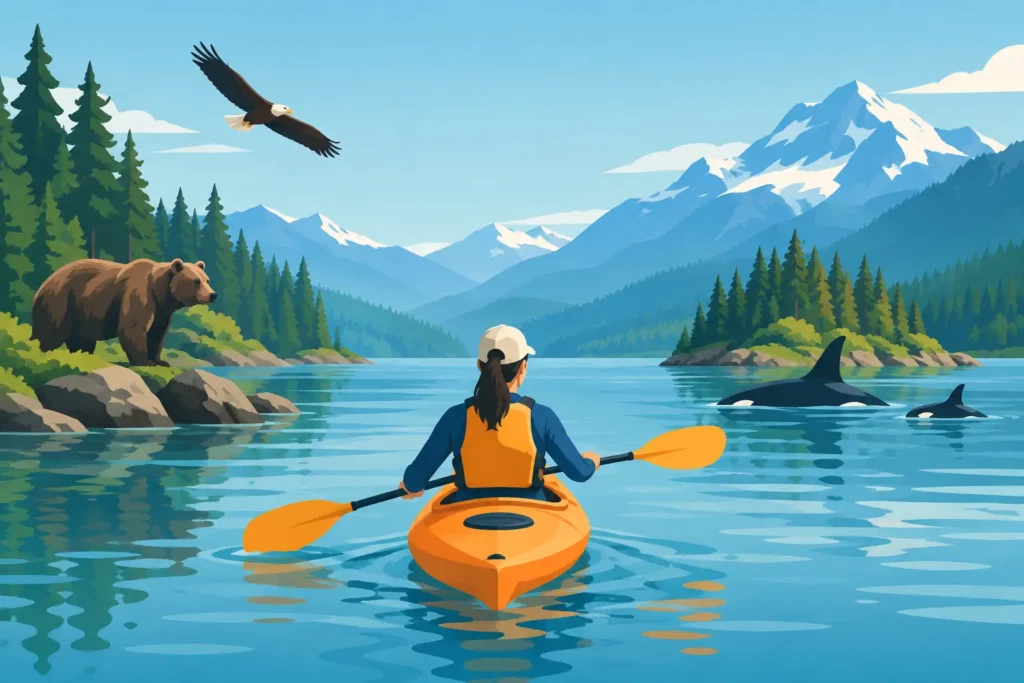
A sea turtle surfaces beside your kayak, takes one calm breath, and slips beneath clear water. A few strokes later, a scarlet macaw crosses the canopy overhead. These are the moments that put the best wildlife paddling destinations in a different class from ordinary beach vacations. You are not watching nature from behind a bus window or across a crowded boardwalk. You are moving quietly through it.
The right destination matters as much as the right boat. Wildlife-rich water is only part of the equation. Look for protected coastlines, intact habitat, knowledgeable local guides, and an itinerary that gives you time to slow down when an animal appears. The most memorable trips balance real expedition energy with smart logistics, safe route planning, and a light footprint in sensitive places.
What Makes a Paddling Destination Great for Wildlife?
Kayaks reach shallow mangrove channels, remote beaches, and sheltered coves that larger vessels cannot. But proximity alone does not guarantee a meaningful encounter. The strongest wildlife destinations offer healthy ecosystems, seasonal animal activity, and calm-enough water for paddlers to observe without rushing.
Timing is often the deciding factor. Whale activity may peak during a particular migration window. Sea turtle nesting and hatching seasons vary by coast. In tropical rainforests, a morning paddle can bring more bird and monkey activity than an afternoon outing, while afternoon rain can be part of the experience rather than a reason to stay indoors.
A professionally guided expedition adds another layer. Experienced guides read tides, weather, animal behavior, and local conditions. They know when to hold position, when to give an animal more room, and when changing the day’s route creates a better and safer experience. For travelers who want wilderness without having to manage every logistical detail, that expertise is worth having.
8 Best Wildlife Paddling Destinations
Tortuguero, Costa Rica
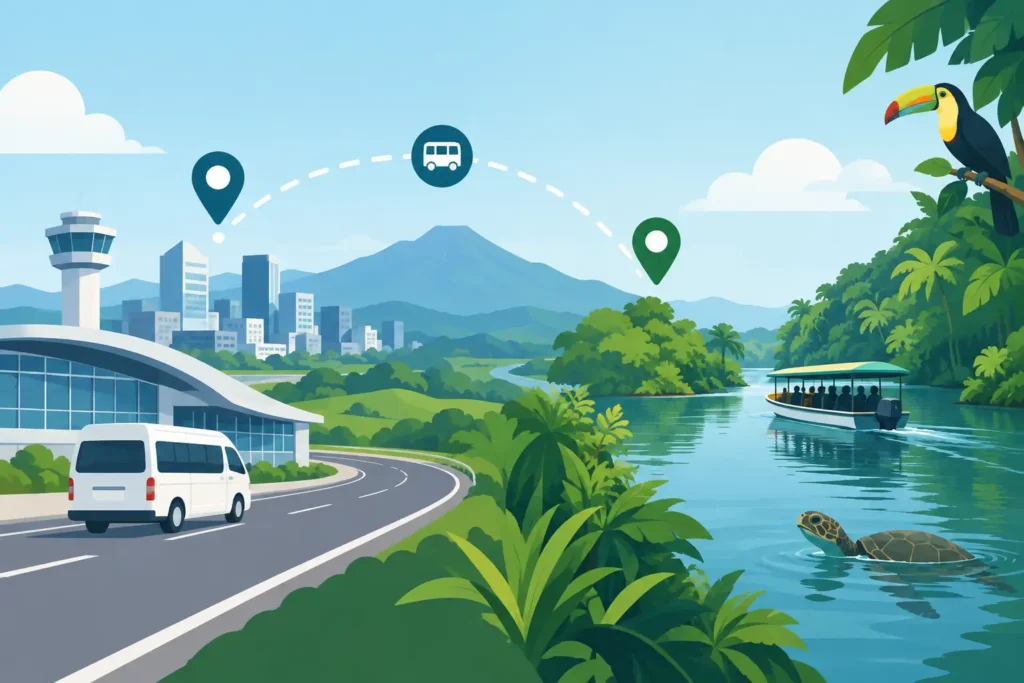
Tortuguero is built for the paddler who wants rainforest wildlife from the first day to the last. A maze of freshwater canals runs between dense jungle and the Caribbean coast, creating a remarkably quiet world of overhanging trees, mirror-like water, and constant movement in the forest.
Keep watch for monkeys, caimans, iguanas, river turtles, sloths, herons, kingfishers, and colorful tropical birds. Sea turtles are the headline species during nesting season, but Tortuguero earns its reputation because the wildlife experience goes far beyond one animal. This is an excellent choice for active travelers who want a wildlife-focused journey with manageable paddling conditions and ecolodge comfort between days on the water.
Golfo Dulce, Costa Rica
On Costa Rica’s wild southern Pacific coast, Golfo Dulce pairs warm, sheltered water with one of the country’s most biologically rich rainforest regions. The gulf’s protected setting makes it especially rewarding for sea kayakers who want coastal paddling without committing to open-ocean crossings every day.
Dolphins, sea turtles, rays, and colorful reef fish are frequent possibilities on the water. Along the shoreline, look for scarlet macaws, squirrel monkeys, white-faced capuchins, and the flash of blue morpho butterflies. Depending on the season, humpback whales may also pass through the gulf. A lodge-to-lodge route here adds variety: paddling, snorkeling, rainforest walks, and nights in remote coastal accommodations rather than one fixed base.
San Blas, Panama
San Blas is a paddling destination for travelers who want marine wildlife and cultural depth on the same expedition. The Caribbean archipelago, home to the Guna people, is a sprawling landscape of small islands, coral reefs, and clear water in shades that rarely seem real until you are floating over them.
Snorkeling reveals reef fish, rays, sea stars, and sea turtles, while birdlife gathers around the islands and mangroves. Conditions can be breezy at times, so it is not simply a tropical float trip. A well-designed guided itinerary uses island geography and daily weather to select appropriate routes, while creating space for meaningful, respectful cultural encounters with Guna communities.
Magdalena Bay, Baja California Sur, Mexico
For a front-row seat to one of the great wildlife migrations of North America, Magdalena Bay is hard to beat. Its protected lagoons and mangrove channels provide winter habitat for gray whales, which travel thousands of miles to breed and calve in these warmer waters.
The whale encounters are extraordinary, but they should never be treated as a guaranteed performance. Wild animals set the terms. When the conditions align, paddlers may also see dolphins, sea turtles, frigatebirds, ospreys, and vast groups of shorebirds. This destination is best for travelers who can plan around a narrow seasonal window and are happy trading tropical rainforest for desert-meets-ocean drama.
The Everglades, Florida
The Everglades rewards paddlers with a distinctly American wilderness experience. Its maze of mangrove tunnels, broad bays, and sawgrass marshes supports manatees, bottlenose dolphins, alligators, roseate spoonbills, ospreys, and countless other birds.
It is also a place where planning matters. Tides can reshape a route, bugs can be intense in certain seasons, and exposed bays can turn challenging in wind. Those variables are part of the adventure, but they make guided support particularly valuable for travelers new to multi-day wilderness paddling. Choose this trip for big skies, birdlife, and the powerful feeling of traveling through a landscape that still feels genuinely untamed.
Sea of Cortez, Mexico
The Sea of Cortez, also known as the Gulf of California, has long been celebrated for its marine abundance. Sea lions are often the crowd-pleasers, but the real appeal is the variety: dolphins, sea turtles, rays, reef fish, seabirds, and, in the right season and location, whales.
This is a stronger fit for campers and travelers who enjoy a more expedition-style rhythm. Days may include open-water crossings, beach landings, and camp set-ups on remote islands. It can feel more physically demanding than paddling a protected tropical canal, but the reward is a rare combination of desert islands, rich marine life, and star-filled nights far from city lights.
Vancouver Island, British Columbia
For cooler-water wildlife with serious coastal scenery, Vancouver Island delivers. Paddlers may encounter harbor seals, sea lions, river otters, bald eagles, porpoises, and orcas in appropriate areas and seasons. Kelp forests, rocky shorelines, and snow-streaked mountain backdrops make the setting feel enormous.
This is not the place to underestimate conditions. Water temperatures stay cold, tides and currents can be powerful, and weather can shift quickly. It is best approached with strong skills or an experienced guide service using proper cold-water equipment. For paddlers willing to dress for the conditions, the wildlife viewing can be exceptional.
The Galapagos Islands, Ecuador
Few destinations match the Galapagos for animals that appear remarkably unconcerned by human presence. Sea lions haul out on beaches, marine iguanas bask on volcanic rock, blue-footed boobies patrol the shore, and sea turtles glide over reefs.
Paddling here comes with important trade-offs. Access is carefully regulated, routes depend on park rules and vessel-based logistics, and costs are higher than many mainland alternatives. Those safeguards are part of what protects the islands. Travelers who choose the Galapagos should prioritize operators with a clear conservation ethic and realistic expectations: respectful observation is the goal, never crowding wildlife for a photo.
How to Choose the Right Wildlife Kayaking Trip
Start by deciding what kind of encounter matters most to you. If sea turtles, monkeys, and tropical birds are at the top of your list, Tortuguero or Golfo Dulce may be the strongest fit. If whales are the dream, look closely at Baja’s seasonal migrations. If reef snorkeling and island culture matter as much as paddling, San Blas offers a compelling mix.
Then be honest about your comfort level. A remote, multi-day trip does not require you to be an elite athlete, but it does require a willingness to be active, adapt to weather, and spend long days outside. Protected-water routes can suit newer paddlers, while destinations with cold water, currents, or regular wind call for more experience and more technical support.
Finally, ask how the operator handles safety and wildlife. Quality equipment, small groups, guide training, emergency planning, and realistic daily routes are not background details. They shape whether a trip feels confidently adventurous or unnecessarily stressful. Sea Kayaking Costa Rica designs its expeditions around precisely that balance: genuine wilderness access, thoughtful pacing, and local expertise that lets guests focus on the experience.
Wildlife Viewing That Leaves the Wild in Charge
The closest encounter is not always the best one. Give animals room to choose their distance, keep voices low, never feed wildlife, and avoid blocking an animal’s path to shore, nesting habitat, or open water. A guide may ask the group to stop paddling or change course without warning. That is good expedition practice, not a missed opportunity.
Bring binoculars for birds and shoreline mammals, a dry bag for camera gear, sun protection, and clothing that can handle both heat and sudden rain. Most of all, bring patience. The best sightings rarely happen on command. They arrive in the quiet space between paddle strokes, when you are present enough to notice the forest moving or the water breathing beside you.
Choose a destination that matches your season, skills, and sense of adventure, then give the wild places enough time to reveal themselves.