Kayak Tours Versus Cruises: Which Trip Fits You?
September 27, 2026
How to Reach Tortuguero Waterways from San José
October 1, 2026
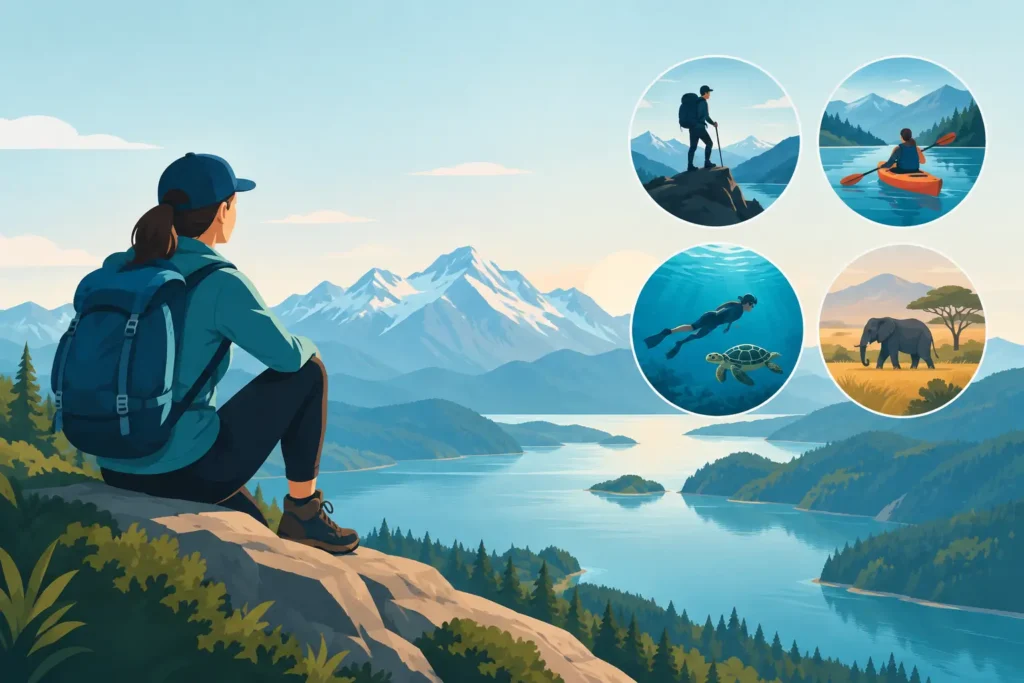
A dawn paddle across a glassy tropical gulf, scarlet macaws crossing overhead, and a rainforest shoreline with no hotel towers in sight – that is the draw of remote adventure travel. But the best expeditions are not defined by how far they get from civilization. They are defined by what becomes possible when you have the right guides, route, equipment, and support behind you.
For active travelers, a remote journey should feel expansive, not uncertain. You want the satisfaction of reaching a wild beach under your own power, spotting wildlife before breakfast, and sleeping where the forest meets the sea. You also want a clear plan, dependable logistics, and experienced professionals who know what changing weather, tides, and trail conditions can mean on the ground.
What Remote Adventure Travel Really Means
Remote does not have to mean uncomfortable, reckless, or inaccessible. It means traveling beyond the standard resort corridor and into places where the natural world sets the pace. In Costa Rica and Panama, that might mean paddling a quiet stretch of the Golfo Dulce, moving through Tortuguero’s rainforest waterways, or reaching islands in the San Blas archipelago that are best accessed by small boat.
These destinations offer more than a dramatic backdrop. Distance from major tourism centers can protect wildlife habitat, preserve a stronger sense of place, and create the kind of quiet that is increasingly difficult to find on conventional vacations. You may trade room service and a packed sightseeing schedule for sunrise bird calls, fresh salt air, and a day shaped by the rhythm of the coast.
That trade is worth making when the expedition is thoughtfully designed. A strong itinerary takes the hard work of remote logistics off your shoulders while leaving the real adventure intact.
Why Guided Support Changes the Experience
In remote coastal environments, details matter. Wind can build quickly in the afternoon. Tides influence landing sites. A beach that looks inviting on a map may be exposed to swell, while a protected cove nearby offers a comfortable and safe place to stop. Local knowledge turns these variables from obstacles into part of a well-run expedition.
Professional guides assess conditions before and throughout each day. They set an appropriate pace for the group, teach efficient paddling technique, manage water and communication systems, and adjust the plan when conditions call for it. Their job is not to remove every challenge. It is to make sure the challenge is appropriate, informed, and rewarding.
This is especially valuable for travelers who are fit and adventurous but do not have expedition-level sea kayaking experience. You do not need to arrive as an elite athlete to enjoy a multi-day paddle trip. You do need a willingness to be active, learn from your guides, and participate fully in the day. The right trip matches the route and daily mileage to the group rather than forcing every guest into the same rigid mold.
Remote Adventure Travel Is About Access, Not Isolation
There is a difference between feeling far away and being unsupported. Premium guided travel is built around that distinction.
On a well-managed expedition, remote does not mean guessing where you will sleep, wondering whether your gear is suitable, or trying to solve a transportation problem after a long travel day. It means moving through exceptional places with the confidence that key details have been handled. Transfers, meals, accommodations, safety systems, quality boats, and route planning all work together to give you more time for the experience itself.
A lodge-to-lodge route can be an excellent choice for travelers who want big days outside without camping every night. In a destination such as Costa Rica’s Golfo Dulce, that can mean paddling between secluded shores, swimming in warm water, watching for dolphins, and ending the day at a comfortable ecolodge. Other routes may include beach camping, which brings a deeper sense of immersion and a more elemental connection to the coast.
Neither style is automatically better. Lodges offer comfort and recovery. Camping puts you closer to the landscape, often with fewer barriers between your tent and the night sounds of the rainforest. The best choice depends on your comfort level, the destination, and what you want your days to feel like.
The Wildlife Reward of Going Farther
Wildlife encounters are rarely guaranteed, and a reputable outfitter should never promise a specific animal on a specific day. Still, traveling quietly through protected waterways and undeveloped coastlines gives you a far better chance of seeing nature on its own terms.
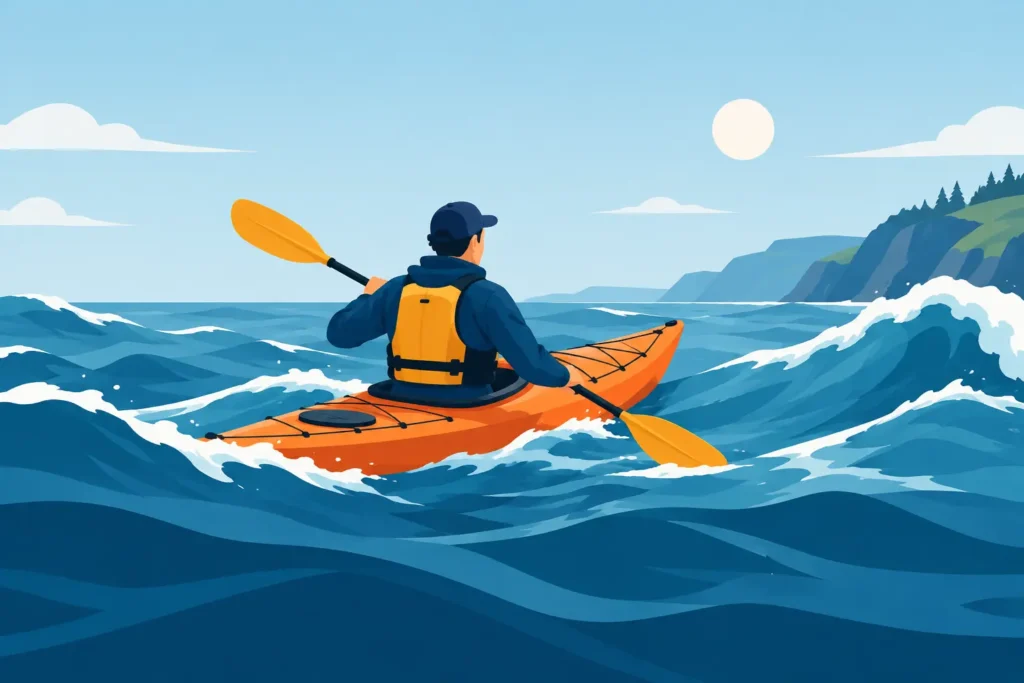
Sea kayaks are particularly effective for this kind of exploration. They move without the noise of a motor, can access shallow coves and mangrove channels, and encourage a slower, more observant pace. A paddler may notice a green heron lifting from the bank, monkeys moving through the canopy, or a sea turtle surfacing offshore because there is time to look, listen, and wait.
Tortuguero is a powerful example. Its maze of canals, lagoons, and rainforest edges makes wildlife observation part of the journey, not a quick stop between attractions. In the San Blas islands, the experience shifts toward clear water, reef life, island culture, and the broad horizon of the Caribbean. Each route has its own character, which is why destination-specific expertise matters.
How to Choose the Right Remote Expedition
A beautiful destination photo is not enough. Before committing to a trip, look closely at the operator’s route knowledge, safety practices, group size, and daily rhythm. Small groups often create a better experience on the water and in camp because guides can provide more personal instruction and respond to individual needs.
Ask what a typical paddling day looks like, including mileage, time on the water, expected weather, and opportunities to rest. Find out whether the route is suitable for beginners, intermediate paddlers, or guests with prior sea kayaking experience. “Beginner-friendly” should not mean unprepared or passive. It should mean the company provides instruction, selects manageable conditions, and has a realistic plan for supporting first-time paddlers.
Also consider what happens outside the kayak. The strongest trips balance activity with recovery, whether that is snorkeling after lunch, a walk through a rainforest trail, a cultural visit, or a relaxed evening meal with the group. An itinerary packed with nonstop movement can look impressive on paper but leave little room to absorb the place you came to see.
Sea Kayaking Costa Rica designs small-group expeditions around that balance: active days, meaningful access to wild places, and the professional support needed to travel with confidence.
Prepare for the Conditions, Not Just the Photos
Tropical does not always mean easy. Sun exposure, humidity, rain, salt water, insects, and changing conditions can surprise travelers who pack as if they are heading to a beach resort. Technical clothing that dries quickly, sun protection that stays on in wet conditions, secure footwear, and a dry bag system will make a noticeable difference.
Physical preparation matters as well. You do not need to train like a racer, but arriving with a foundation of cardio fitness, shoulder mobility, and core strength makes the first few days more enjoyable. Walking, swimming, cycling, and regular strength work are all useful. If you spend long hours at a desk, add a few practice sessions focused on posture and upper-body endurance before departure.
Mental preparation is just as useful. Remote travel asks you to be flexible. A rain shower may alter the day’s timing. Wildlife may appear when you least expect it, or remain hidden despite a patient search. The travelers who get the most from an expedition are usually the ones who can release a rigid checklist and stay present for what the landscape offers.
Travel With Respect for the Places That Make It Possible
The privilege of entering remote environments comes with responsibility. Choose operators that keep groups small, follow established access guidelines, manage waste carefully, and work respectfully with local communities. Keep your distance from wildlife, avoid touching coral or marine animals, and treat cultural visits as opportunities to listen rather than consume.
Responsible travel is not separate from an exceptional experience. It is what protects the quiet beaches, healthy reefs, forest corridors, and community relationships that make these journeys meaningful in the first place.
The right remote expedition leaves you tired in the best way: salt on your skin, stories around the dinner table, and a sharper memory of what the natural world feels like when you meet it at paddle speed. Choose a route that challenges you, a guide team you trust, and enough time to let the wild places change the pace of your day.