

Regenerative Travel Trends Worth Following
October 11, 2026
Ecolodge Versus Camping Expeditions Compared
October 15, 2026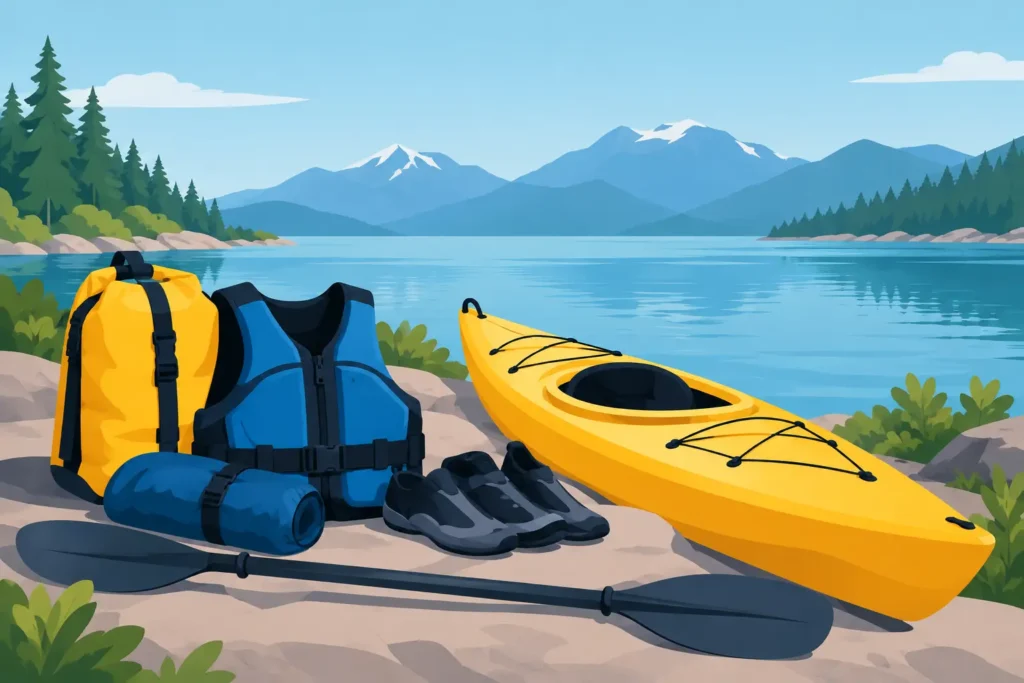
A tropical coast looks simple from the beach: warm water, green headlands, a kayak waiting at the tide line. The practical question behind that picture is equally simple: do expeditions include kayak gear? On a professionally run guided trip, the answer is usually yes for core paddling and safety equipment. But the quality of that gear, the way it is fitted, and the items you still need to bring can shape your entire experience.
For a multi-day sea kayaking expedition in Costa Rica or Panama, you should not have to travel with a kayak, paddle, flotation device, or rescue equipment. A capable outfitter supplies the equipment required to paddle safely and comfortably in the destination. Your job is to arrive prepared with personal clothing, sun protection, and a sense of adventure.
What Guided Kayak Expeditions Usually Provide
The foundation of an expedition is the boat itself. Guided operators typically provide stable sea kayaks selected for local conditions, plus paddles, personal flotation devices, spray skirts when appropriate, and dry bags or other systems for protecting group and personal gear. On multi-day itineraries, boats must carry more than people. They need room for water, food, safety gear, snorkeling equipment, and overnight supplies while still handling well on open water.
Quality matters. A recreational kayak may be fine for an hour on a calm lake, but coastal expedition travel calls for a seaworthy design with bulkheads, deck lines, comfortable outfitting, and enough cargo capacity for the journey ahead. Guides should help adjust foot braces and back support before the first launch. A kayak that fits well makes a long day of paddling far more enjoyable and gives you better control when conditions change.
A well-equipped guided trip also carries shared safety equipment. This can include communication devices, first-aid supplies, navigation tools, tow systems, bilge pumps, paddle floats, repair kits, and emergency signaling gear. You may not see every item used, and that is the point. Good expedition planning means the group is prepared long before a squall appears beyond the mangroves.
At Sea Kayaking Costa Rica, equipment is part of the expedition framework, not an afterthought. The boats, route planning, guide training, and daily logistics work together so guests can focus on wildlife, paddling, and the rare feeling of reaching a remote shore under their own power.
Do Expeditions Include Kayak Gear for Every Skill Level?
They should, but gear alone does not make a trip beginner-friendly. The better question is whether the operator matches equipment, instruction, and daily mileage to the group.
Many active travelers arrive with little or no sea kayaking experience. That does not automatically rule out an expedition. On sheltered tropical routes, a strong guide team can teach efficient forward strokes, turning, stopping, launching, landing, and basic on-water communication before the group heads farther afield. The itinerary should leave room for coaching rather than assuming every guest already paddles like a seasoned coastal kayaker.
More experienced paddlers benefit, too. They may appreciate a boat with better responsiveness, a properly sized paddle, and guides who understand the local wind patterns, currents, boat traffic, and tide timing. Expertise does not eliminate the need for good briefing and sound decisions. It makes them more valuable.
Conditions determine the setup. A calm mangrove channel in Tortuguero may call for different boats and clothing than a route with longer crossings in the Golfo Dulce or island-to-island travel in San Blas. In tropical destinations, heat, sun, humidity, and sudden rain matter as much as wind and water movement. A professional outfitter adapts the plan to the place rather than applying one generic gear list everywhere.
What “Included” Should Mean
Before booking, read the trip details carefully and ask direct questions. “Kayak gear included” should mean more than access to a boat. Confirm that the trip provides a kayak, paddle, properly fitted PFD, and the group safety equipment needed for the route. Ask whether dry bags are supplied and whether snorkeling gear, camp equipment, or bedding is included on itineraries that feature them.
There can be legitimate variations. Some expeditions include a full camping setup, while lodge-to-lodge trips may only require compact day gear in the kayak. Certain operators offer a limited selection of PFD sizes or standard paddles. If you are especially tall, petite, or have a particular comfort need, share that information before you book. The right outfitter will tell you what is available and what to expect, not make vague promises.
What You Still Need to Pack
Even on a fully outfitted expedition, personal gear is personal for a reason. Your clothing and sun protection have a direct effect on comfort during long, bright days on the water.
Bring quick-drying layers you can paddle in, along with a long-sleeve sun shirt, brimmed hat that will stay put, sunglasses with a retainer, reef-safe sunscreen, and footwear that works for wet landings. Water sandals or lightweight water shoes are often more useful than bulky hiking boots, though the route may include short trails where closed-toe footwear is preferred. A lightweight rain jacket is worth carrying in the tropics, where a warm afternoon can turn wet quickly.
Your dry bag should hold the items you cannot afford to soak: medications, a spare layer, phone or camera protection, sunglasses case, and any small personal essentials. Operators may provide dry bags, but packing in smaller waterproof pouches inside them adds useful organization. Do not rely on a single oversized bag with everything loose inside.
For a weeklong trip, resist overpacking. Every item has to be loaded, carried, and stowed. Expedition packing favors versatile pieces that dry quickly and serve more than one purpose. A rash guard can be a paddle shirt, swim layer, and protection during a snorkeling stop. A lightweight wrap or shirt can help with sun, insects, and cool evenings.
Gear Quality Is a Safety Question, Not a Luxury
Adventure travelers sometimes compare trip prices without comparing what stands behind them. The lowest-cost option may include a kayak in the narrowest sense, but that says little about its condition, fit, or suitability for a multi-day coastal route.
Well-maintained equipment reduces avoidable problems. A PFD should be clean, functional, and sized for the paddler. Deck lines and hatches should be inspected. Paddles should be reliable, and spare paddles should be available. Guides should know the equipment well enough to make fast adjustments and handle an on-water issue calmly.
The same principle applies to sanitation and logistics. On a premium expedition, gear is checked, cleaned, dried, and prepared between departures. That level of care may not sound glamorous, but it protects the experience. Nobody wants to start a dawn paddle toward scarlet macaws and rainforest-covered shorelines with a leaking hatch or an uncomfortable life jacket.
Questions to Ask Before You Book
A few focused questions reveal a great deal about an operator’s standards. Ask what model or type of kayak is used, how PFD sizing is handled, whether guides provide an orientation before launching, and what shared safety equipment accompanies the group. If the itinerary includes camping or snorkel stops, ask exactly what is supplied there as well.
Also ask how the company responds to weather. No piece of gear can substitute for good judgment. A professional team monitors conditions, chooses protected routes when needed, adjusts timing around wind or tide, and is willing to change the plan when the water demands it. Flexibility is not a downgrade from adventure. It is how a well-run expedition keeps the adventure moving.
Finally, be honest about your experience, swimming ability, injuries, and concerns. This helps guides select the right trip and prepare the right equipment. It also lets you arrive ready to learn instead of wondering whether you belong there.
The best kayak gear does more than get you from one beach to the next. It disappears into the experience, leaving you free to watch dolphins surface beside the boats, listen to howler monkeys in the canopy, and paddle into places that roads never reach.