
Tortuguero Adventure Guide for Active Travelers
August 2, 2026
12 Best Tropical Kayaking Vacations for 2026
August 7, 2026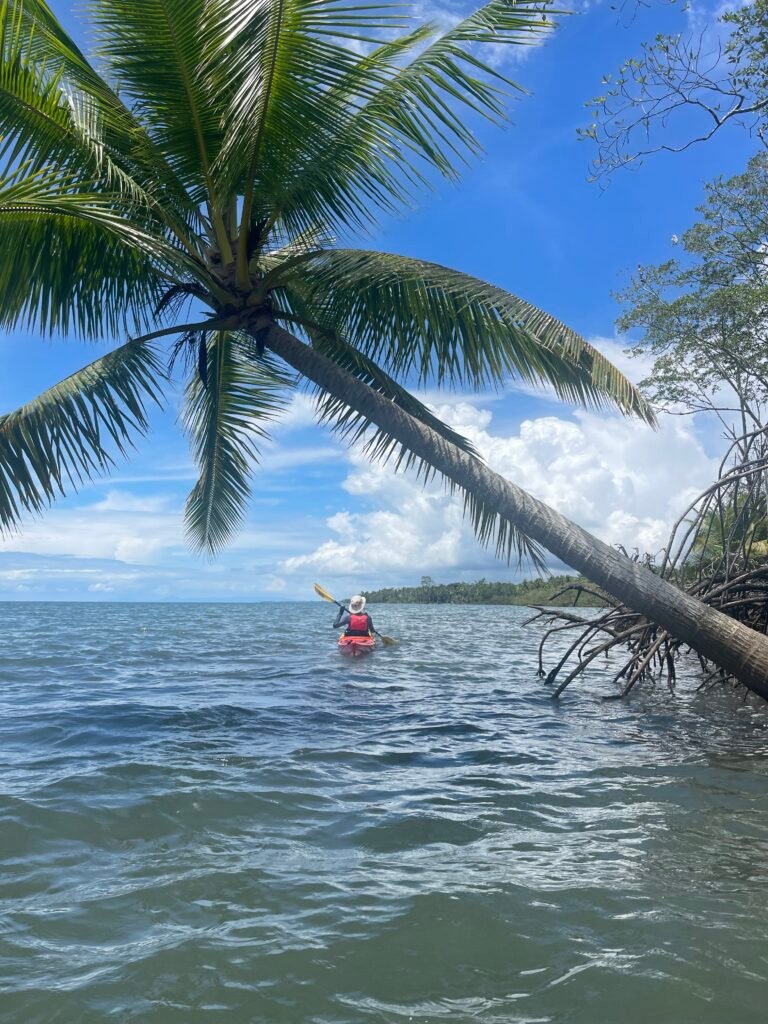
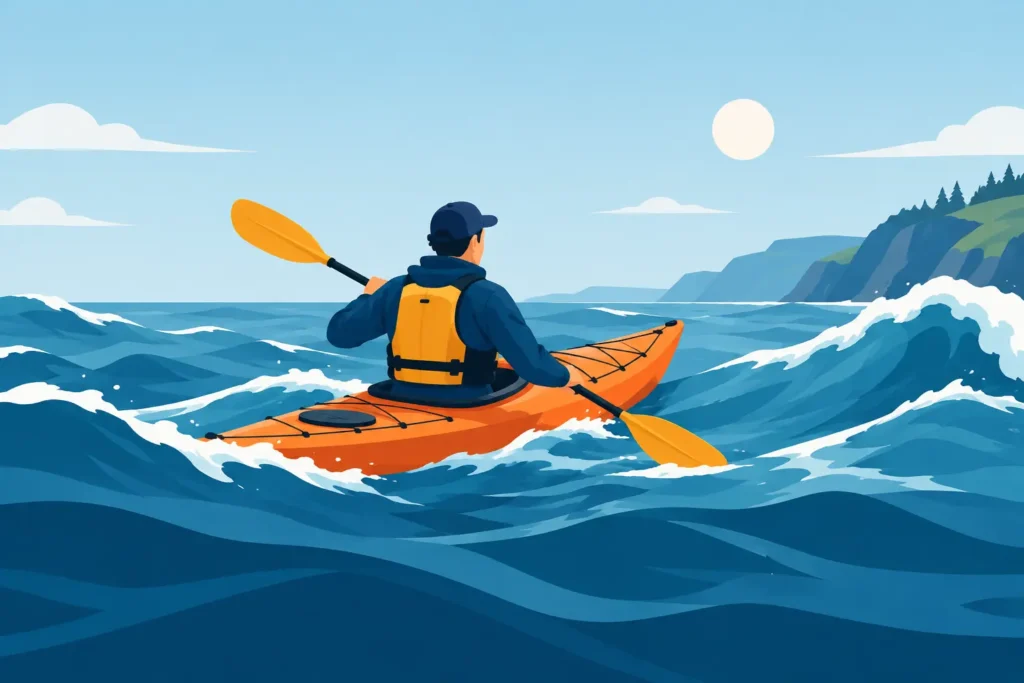
A tropical coastline can look forgiving from the beach: warm water, green headlands, and a glassy bay stretching toward the horizon. Then a rain squall shifts the wind, a tide pushes through a narrow channel, or an afternoon thunderstorm rolls in faster than expected. A solid kayaking trip safety checklist turns those variables into manageable decisions, so the focus stays where it belongs: paddling through wild country with confidence.
For multi-day sea kayaking in Costa Rica or Panama, safety is not one item clipped to a PFD. It is the system behind the expedition: route planning, local weather knowledge, suitable equipment, clear group communication, physical preparation, and the judgment to change plans when conditions demand it.
Start Your Kayaking Trip Safety Checklist Before Travel
The safest expedition begins well before launch day. Travelers often focus on fitness and packing, but an honest conversation about experience, medical needs, and comfort in water matters just as much. A guided trip should match the group to the route, not force the route on the group.
Tell your outfitter about past paddling experience, swimming ability, injuries, medications, allergies, and any conditions that could affect you in heat, humidity, or remote settings. This is practical information, not a test. Guides use it to make better decisions about pacing, seat setup, hydration, food, emergency planning, and group management.
Fitness for a sea kayaking expedition does not require elite athleticism. It does require the ability to sit and paddle for several hours, get in and out of a kayak on uneven shorelines, and recover comfortably between active days. Build a base with walking, cycling, swimming, or hiking, then add upper-body and core work in the weeks before departure. If you have time to paddle locally, practice relaxed torso rotation rather than relying on your arms alone.
Travel insurance should reflect the actual trip, including kayaking and emergency medical evacuation where appropriate. Read the policy rather than assuming every outdoor activity is covered. In remote coastal regions, the quality of a response depends on preparation long before anyone needs help.
Check Conditions, Not Just the Forecast
A weather app is useful, but it is only one input. Sea kayaking conditions are shaped by wind direction, tide, swell, current, lightning risk, river runoff, and the specific exposure of a coastline. A bay that is calm at breakfast may be choppy by early afternoon. A route around a headland can feel entirely different from a sheltered mangrove channel just minutes away.
Professional guides assess the whole picture and adjust launch times, routes, landing sites, and daily mileage accordingly. On a well-run expedition, changing the plan is not a disappointment or a sign that something went wrong. It is what sound judgment looks like. Wildlife-rich protected waters, rainforest beaches, and island passages offer plenty to explore without treating the original itinerary as a rigid promise.
Before each paddle, understand the day’s plan: where you are going, expected time on the water, likely landing points, weather concerns, and what happens if the group separates. Ask questions if anything is unclear. Good guides welcome engaged guests because informed paddlers make stronger expedition teams.
Wear and Carry the Gear That Matters
Reliable equipment makes tropical paddling more comfortable, but it also provides the margin that keeps a small problem from becoming a serious one. Your personal flotation device should fit snugly enough that it will not ride up over your shoulders in the water. Wear it at all times on the water, even when conditions look flat and the air is hot.
For a guided multi-day trip, the outfitter should inspect and maintain core safety equipment. That commonly includes sea kayaks suited to the route, paddles, bilge pumps, paddle floats, tow systems, repair supplies, communication equipment, navigation tools, first-aid gear, and emergency signaling devices. The exact setup varies by destination and group size, but the principle does not: safety gear must be accessible, functional, and used by people who know how to deploy it.
Your own packing should prioritize protection from sun, water, and abrasion. Bring quick-drying layers, a brimmed hat that stays on in wind, polarized sunglasses with a retainer, reef-safe sun protection, and footwear that can handle wet landings and rough trails. A long-sleeve sun shirt often offers better all-day protection than repeatedly applying sunscreen.
Keep essentials dry in dependable dry bags. At minimum, protect a spare layer, medication, sun protection, water, snacks, and any personal electronics you bring on the water. Do not assume a bag is waterproof because it looks sturdy. Roll closures correctly, inspect for damage, and keep critical items double-protected when necessary.
The On-Water Kayaking Safety Checklist
The following checks are worth repeating every day, whether you are paddling a remote tropical coast or taking a short outing closer to home:
- Fit your PFD, check buckles, and secure sunglasses, hats, and loose gear before launch.
- Carry enough drinking water for the day and drink before you feel thirsty.
- Confirm your partner, group position, guide signals, and the day’s route.
- Stow gear low and secure so it cannot shift, blow away, or interfere with a wet exit.
- Watch the water and sky continuously for building wind, lightning, currents, boat traffic, and changing visibility.
- Tell a guide early if you are cold, overheated, uncomfortable, tired, injured, or unsure of your ability to continue.
Hydration deserves special attention in the tropics. Humidity can hide how much fluid you are losing, while sun and steady paddling increase the demand. Sip regularly and replenish electrolytes when conditions or exertion call for it. Dark urine, headache, unusual fatigue, dizziness, cramps, and nausea can all signal that you need to slow down, hydrate, cool off, or alert your guide.
Paddle with the group, not ahead of it. Spreading out makes communication harder and can put less experienced paddlers in exposed water without support. If you need a break, say so. A two-minute pause taken early is smarter than pushing until technique collapses and fatigue takes over.
Know What to Do if You Capsize
Capsizes are uncommon on calm, well-managed routes, but every paddler should know the basic response. Stay with your kayak and paddle if possible, keep your PFD on, and focus on breathing before trying to solve the next step. A kayak is easier for rescuers to see than a swimmer, and it provides flotation and stability.
Guides will brief the group on assisted rescues, wet exits, and how to call for attention. Listen closely, even if you have paddled before. Rescue procedures vary with the type of kayak, the route, sea state, and the group’s experience. The goal is not to perform a perfect drill. It is to stay calm, conserve energy, follow instructions, and get stable again.
The same approach applies to wildlife encounters. Tropical waters may bring dolphins, sea turtles, rays, crocodiles in certain habitats, and a remarkable variety of birds. Observe from a respectful distance, never feed animals, and do not block their path or pursue them for a photograph. Respecting wildlife is both ethical and safer for everyone involved.
Why Guided Expertise Changes the Equation
Remote coastlines reward local knowledge. A guide who understands seasonal winds in Golfo Dulce, the waterways of Tortuguero, or the island conditions of San Blas can identify safer launch windows, protected alternatives, reliable water sources, landing sites, and the subtle changes that maps do not show.
At Sea Kayaking Costa Rica, that local expertise supports small-group expeditions designed around both discovery and sound risk management. The aim is not to remove every challenge from an adventure. It is to manage the meaningful risks carefully, so guests can paddle farther into rainforest, wildlife habitat, and coastal communities with the support of a professional team.
Your best safety habit is also the simplest: stay observant and speak up early. Conditions change, bodies have off days, and the strongest groups are the ones that communicate honestly. Come prepared, trust the process, and leave room for the route to reveal the wild, unforgettable moments that make a tropical kayaking expedition worth taking.