Tropical Expedition Logistics Guide for Kayakers
October 21, 2026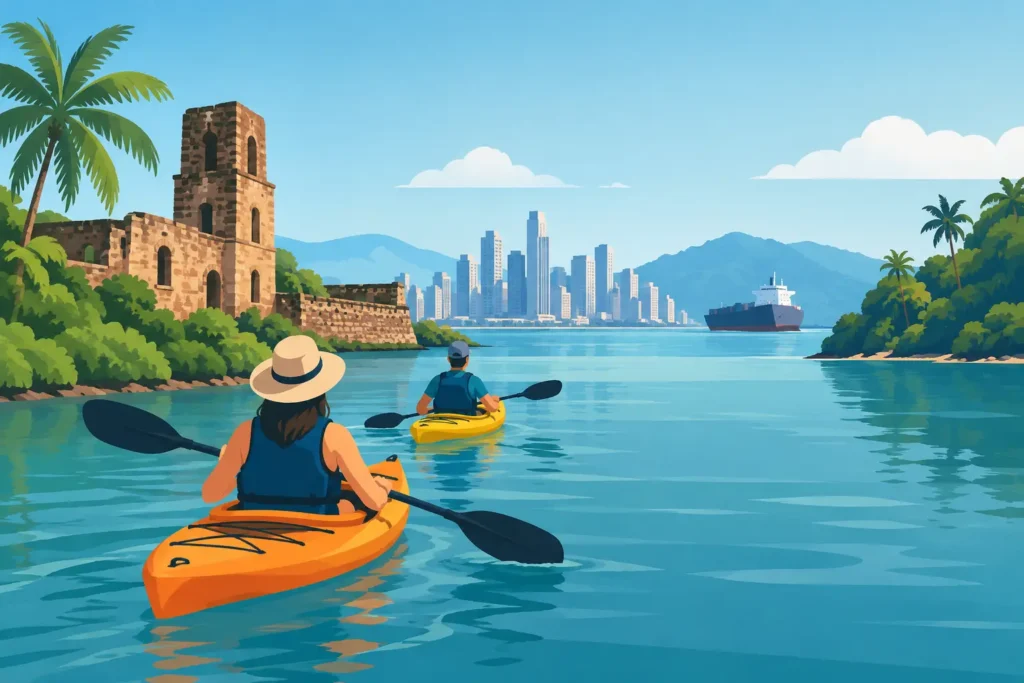
A great Panama trip should not treat culture as something you watch from the edge of a tour boat. This Panama cultural itinerary example is built for active travelers who want to paddle clear Caribbean water, sleep close to the sea, and spend time in Guna Yala with the respect, local guidance, and unhurried pace the region deserves.
The San Blas Islands are not a resort backdrop. They are part of the Guna Yala comarca, an autonomous Indigenous territory on Panama’s Caribbean coast. That distinction shapes how you travel here: access, photography, purchases, and daily interactions all follow local expectations. The reward is an expedition that feels far more connected than a quick day trip from Panama City.
Why a Cultural Itinerary Belongs on the Water
A road-based itinerary can introduce Panama City’s historic districts, coffee country, and rainforest. A sea kayaking itinerary opens a different Panama – one measured by tide, wind, reef passages, and the welcome offered by island communities. You travel under your own power between small islands, arrive slowly, and have time to notice how daily life is connected to the sea.
That does not mean every island visit should be scheduled as an activity. Some of the best cultural moments are simple: sharing a conversation with a local host, learning why a channel is used at a certain tide, seeing the careful work behind a mola textile, or eating a meal prepared with ingredients sourced nearby. A professional guide helps create those opportunities without forcing them.
For travelers who want wildlife and physical challenge alongside cultural depth, an eight-day expedition is a strong fit. It allows enough time to adjust to the tropical climate, build paddling confidence, and avoid rushing through community visits simply to check them off an itinerary.
Panama Cultural Itinerary Example: Eight Days in San Blas
This sample is designed around a guided small-group sea kayaking expedition. Exact camps, lodging, routes, and island visits should always remain flexible. Caribbean conditions and local community needs come first.
Day 1: Arrive in Panama and Meet Your Expedition Team
Arrive in Panama City, where the contrast between the modern skyline, canal traffic, and tropical coast gives the trip its first sense of scale. Your guide team handles the essential expedition briefing: paddling expectations, heat management, waterproof packing, communication procedures, and the cultural protocols that matter in Guna Yala.
This is the day to ask practical questions. How much time will be spent paddling? What happens if weather changes? Can beginners join? On a well-run trip, guests do not need previous sea kayaking experience, but they should be comfortable being active for several hours and willing to follow guide instruction. Strong swimming ability is recommended, and every guest should understand that a remote-water itinerary requires flexibility.
Day 2: Travel to Guna Yala and Launch Into the Caribbean
An early overland transfer crosses the mainland toward the Caribbean coast, followed by a boat connection into the island region. The logistics are part of the adventure, but they are also why experienced local coordination matters. Roads, boat schedules, weather, permits, and baggage all need to line up before the first kayak enters the water.
Once on the islands, get fitted with your kayak and safety equipment, then begin with a short, supported paddle. This first session is about technique and comfort rather than mileage. You will practice efficient strokes, turning, spacing, and what to do if conditions change.
Settle into camp or a simple island accommodation, depending on the route. As evening arrives, the city feels very far away. The soundscape is water, breeze through palms, and the low activity of island life.
Day 3: Paddle Reef-Fringed Cays and Learn the Rhythm of the Sea
Today brings a fuller paddling day through shallow Caribbean water, with the route chosen for the group’s ability and the conditions. Some stretches offer calm, protected passages. Others may call for more focus around wind-exposed crossings. Guides should set a pace that keeps the group together and leaves energy for snorkeling and shore time.
The cultural connection is not separate from the landscape. Fishing grounds, traditional travel routes, and settlement patterns reflect a detailed knowledge of reefs, currents, and seasonal weather. Your guides can add context, but local residents remain the experts on their home waters.
After landing, there may be time to snorkel over coral and schools of tropical fish. Reef health varies from place to place, so responsible operators avoid making promises about perfect visibility or specific wildlife sightings. The ocean decides that part.
Day 4: Island Community Visit and Mola Traditions
A cultural visit works best when it is arranged through local hosts and leaves room for genuine exchange. On this day, visit a Guna community with your guides, following the rules established by residents. Dress respectfully, ask before taking photographs, and do not assume that every person wants to be photographed or interviewed.
Molas are among Panama’s most recognized textile arts. These richly layered, hand-sewn panels often feature geometric designs, animals, plants, and imagery rooted in Guna visual traditions. Seeing molas in context offers more than a shopping opportunity. It is a chance to appreciate the skill, time, and cultural meaning behind each piece.
If you choose to buy directly from a maker, do so thoughtfully. Ask about the work, pay the stated price fairly, and choose pieces because you value the craft rather than because you want a souvenir at the lowest possible cost.
Day 5: Expedition Paddle, Snorkeling, and a Remote Camp
By day five, most groups have found their rhythm. Paddle loading is quicker, paddle strokes are more confident, and the small routines of expedition life become satisfying: drying gear, filtering water if needed, organizing dry bags, and watching the weather before setting out.
This can be the trip’s more remote day, with a longer route between low islands and a camp set near a protected beach. The distance should never be the point. A quality expedition measures success by good decisions – choosing a sheltered route when winds rise, taking a swim break when heat builds, or changing the plan when a community event affects access.
Evening on a remote island is a reminder of why sea kayaking is so powerful here. You are not passing through the landscape behind glass. You are living within it, carefully and temporarily.
Day 6: Local Food, Stories, and Time Ashore
Cultural travel needs time. Build in a day that is not driven by miles, with a shorter paddle or a rest morning followed by time with local hosts. Depending on the arrangement and season, this may include learning about island life, hearing local perspectives on environmental change, or sharing a meal centered on fresh fish, coconut, plantains, and other regional ingredients.
Avoid framing this as a performance. The purpose is not to consume someone else’s daily life. It is to show up prepared, listen well, and understand that tourism has an impact. Small groups, locally coordinated visits, and direct spending with community members are practical ways to make that impact more constructive.
Day 7: Final Paddle Through the Islands
The final full day on the water is a chance to put the whole expedition together. You may paddle past sandbars that disappear at high tide, shallow reef gardens, and palm-lined islands that look impossibly small from offshore. The route may include a favorite snorkeling stop or a final community landing, but conditions still lead the day.
A guided trip is especially valuable here. Your team manages route choices, group spacing, communications, hydration, and emergency planning while you focus on the experience. That support makes the adventure accessible to fit travelers who want a real expedition without carrying the burden of complex remote-destination logistics.
Sea Kayaking Costa Rica designs this kind of small-group Panama journey for travelers who want both the confidence of expert leadership and the freedom of an off-the-beaten-path route.
Day 8: Return to the Mainland With Context, Not Just Photos
Break camp, pack carefully, and return by boat and road toward Panama City or your onward connection. The final transfer can feel abrupt after days on the islands, but it is also a useful moment to reflect on what made the trip different: not just the turquoise water, but the people, protocols, and working knowledge that made travel there possible.
How to Make This Itinerary Respectful and Realistic
The best Panama cultural itinerary has room for change. Weather may shorten a crossing. A local celebration may mean an island is not available for visitors. A guide may choose a safer launch site than the one originally planned. These are not failures of planning. They are signs that the trip is being operated responsibly.
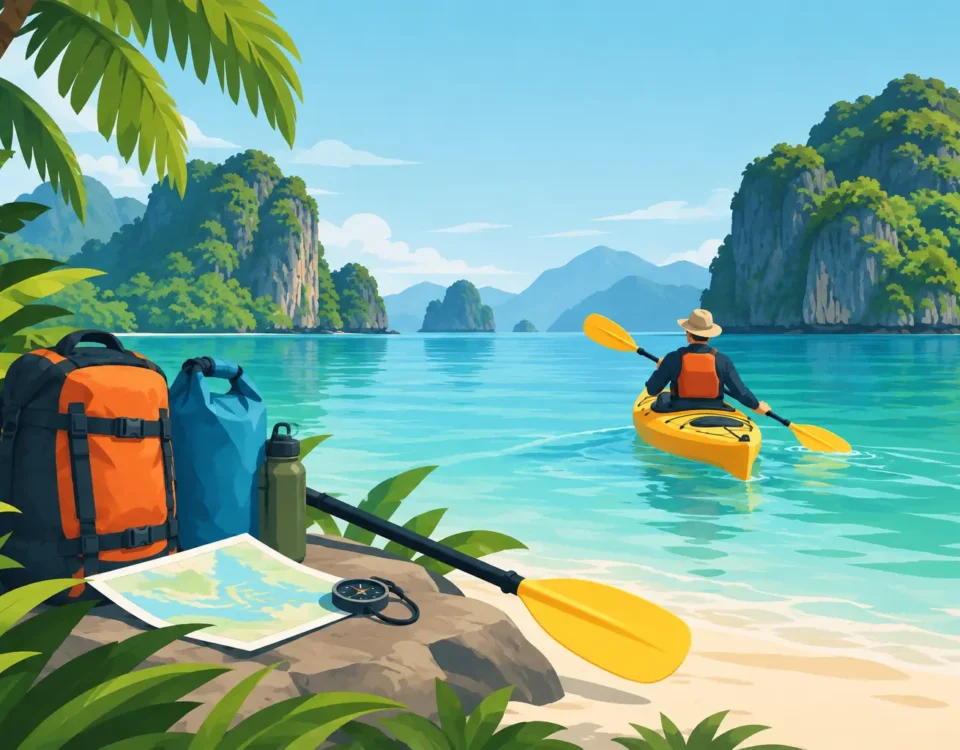
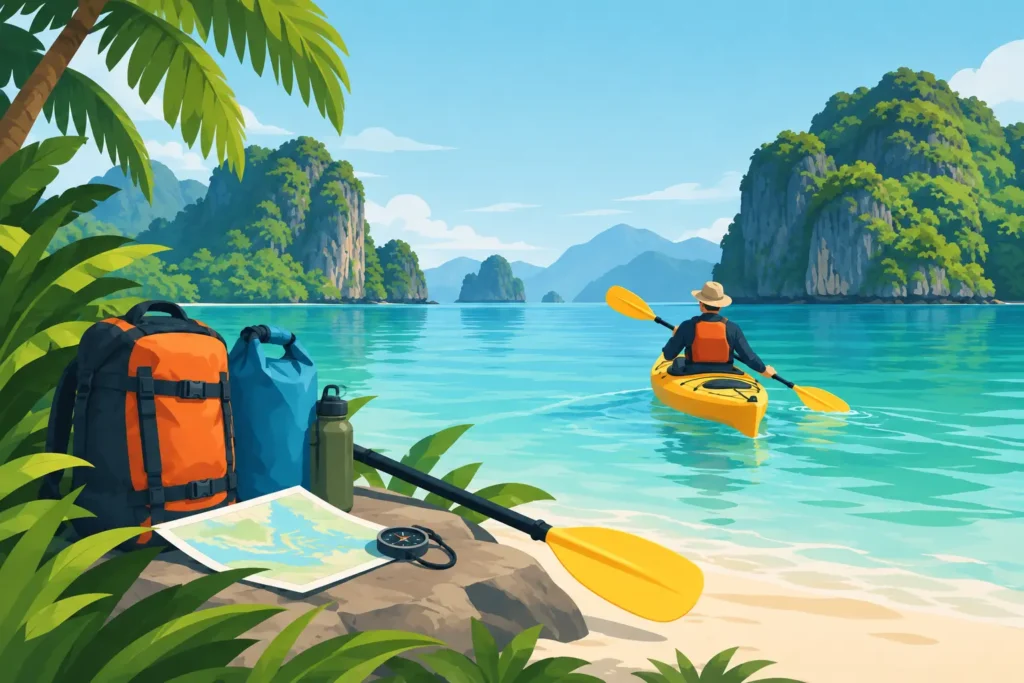
Pack for heat, rain, sun, and saltwater rather than for appearances. Lightweight long sleeves, a brimmed hat, reef-safe sun protection, sandals that can get wet, and a dry bag system make the days more comfortable. Bring cash in small denominations for locally made crafts or other approved purchases, but do not expect ATMs on remote islands.
Most of all, arrive curious and adaptable. The strongest memories tend to come from the parts no itinerary can manufacture: a quiet paddle before breakfast, a conversation that changes your perspective, or an evening when the Caribbean sky makes you put the camera down and simply stay present.