How to Book Tropical Expeditions With Confidence
September 3, 2026
Do Guides Carry Emergency Radios at Sea?
September 7, 2026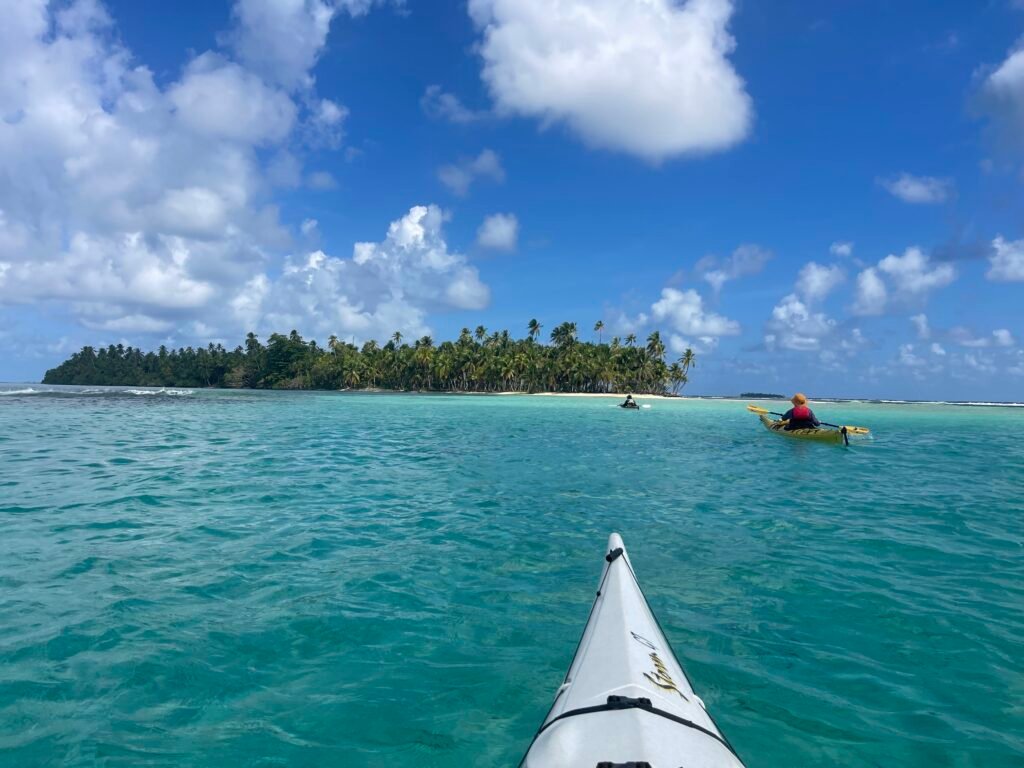
A true Costa Rica expedition guide starts well beyond the airport transfer and hotel reservation. It starts with a simple question: do you want to see Costa Rica from the road, or from the waterline where rainforest, mangroves, wildlife, and remote beaches meet? For active travelers, sea kayaking turns a visit into a fully immersive journey through places that mass tourism rarely reaches.
Costa Rica rewards travelers who come prepared. The country is compact, but its coasts feel dramatically different. Weather shifts fast, tides shape each day, and some of the best wildlife encounters happen far from a paved road. A guided expedition gives you the freedom to focus on the experience while skilled local professionals manage the route, equipment, safety systems, meals, and moving parts behind the scenes.
How to Use This Costa Rica Expedition Guide
The right expedition is not necessarily the longest, hardest, or most remote. It is the one that matches your interests, fitness, comfort expectations, and appetite for changing conditions. A paddler hoping to photograph monkeys, turtles, and tropical birds may choose a very different route than someone looking for open-water mileage, snorkeling, and a string of wild beaches.
Start with the coast. Then consider season, trip style, and your preferred balance of challenge and comfort. Costa Rica has excellent options for first-time sea kayakers with solid general fitness, as well as experienced paddlers who want bigger days and less-traveled shorelines.
Choose Your Coast: Pacific or Caribbean
The Pacific side delivers the classic tropical expedition feel: forested headlands, protected gulfs, quiet beaches, warm water, and rich marine life. Golfo Dulce, on the southern Pacific coast, is especially suited to multi-day sea kayaking. Its sheltered waters allow for rewarding point-to-point travel, while the surrounding rainforest creates a striking backdrop to every paddle stroke. Dolphins, monkeys, scarlet macaws, and shorebirds are regular possibilities, but wildlife is never scheduled on command. That unpredictability is part of the experience.
The Caribbean offers a different kind of adventure. Tortuguero is a watery wilderness of canals, lagoons, and rainforest edges where the focus shifts from open-coast paddling to intimate wildlife observation. You may paddle beneath overhanging vegetation, hear howler monkeys before breakfast, and watch caimans, herons, kingfishers, and monkeys from the cockpit. It is an excellent choice for travelers who want their expedition paced by nature rather than by distance.
The trade-off is straightforward. Pacific routes often feel more expansive and beach-oriented, with opportunities for snorkeling and coastal camps. Tortuguero feels more enclosed, lush, and wildlife-driven. Both demand respect for tropical conditions and reward a patient, observant traveler.
Pick the Season for Your Priorities
Costa Rica is tropical, not uniformly predictable. The dry season generally runs from December through April on much of the Pacific coast, bringing sunnier conditions and popular travel dates. The green season, usually May through November, brings regular rain, vibrant forest, fewer crowds, and a wilder atmosphere. Rain often arrives in bursts rather than all day, although weather patterns can vary significantly by region and year.
For many expedition travelers, the green season is a feature rather than a compromise. Rivers run high, forests are intensely alive, and the landscape earns its reputation for biodiversity. But the right expectation matters. You need to be comfortable getting wet, adapting to a flexible daily plan, and accepting that a guide may alter a route for weather, wind, water level, or safety.
On the Caribbean side, rainfall follows its own rhythm. Tortuguero can be wet at any time of year, which is why quick-drying layers and a positive attitude matter more than chasing a perfect forecast. Wildlife viewing is often outstanding in damp, quiet conditions.
Know What “Accessible” Actually Means
A professionally guided expedition should be accessible, but it should not be mistaken for passive sightseeing. You will carry a paddle, enter and exit a kayak from beaches or docks, spend several hours outside, and manage heat, humidity, and the occasional rain shower. Most guests do not need elite paddling experience. They do need reasonable fitness, comfort in the water, and a willingness to learn.
Strong operators teach efficient paddle technique, fit boats properly, provide quality personal flotation devices, and set a pace appropriate for the group and conditions. On a small-group trip, guides can coach beginners without holding back stronger paddlers. That personal attention is one reason guided travel works so well in remote tropical environments.
Be honest about your needs before booking. Let the outfitter know about old injuries, dietary restrictions, medical considerations, swimming confidence, and whether you prefer lodge stays or camping. The best trip is not a test of toughness. It is a well-supported challenge that leaves room for discovery.
What a Real Kayaking Expedition Includes
A multi-day sea kayaking trip has a rhythm that a day tour cannot replicate. Mornings often begin early, when water is calmer and wildlife is active. You paddle between beaches, islands, mangrove channels, or ecolodges, stopping to swim, snorkel, hike, or simply watch the coast go by. Afternoons may bring time to settle into camp, explore shore, or share a meal as rainforest sounds take over.
The logistics matter as much as the scenery. Reliable expeditions include well-maintained kayaks, dry bags, safety and communication equipment, trained guides, nutritious meals, clean drinking water, and a clear emergency plan. You should know what is included, how luggage is handled, where you will sleep, and what weather-related adjustments may look like.
Lodge-to-lodge trips offer a higher-comfort approach without sacrificing the sense of journey. You still travel under your own power through remote country, then arrive to a bed, shower, and prepared meal. Camping trips provide more solitude and a closer connection to the coast, but they require greater tolerance for sand, humidity, and simpler routines. Neither is automatically better. It depends on whether recovery and comfort or wilderness immersion sits higher on your list.
Pack for Function, Not Fashion
Tropical expedition packing is about sun management, dry storage, and layers that work when wet. A long-sleeve sun shirt, sun hat with a secure brim, polarized sunglasses with a retainer, water shoes, reef-safe sunscreen, and a reusable water bottle should be considered core gear. Bring lightweight rain protection and one dry set of clothes for evenings.
Leave bulky luggage and cotton-heavy outfits behind. Cotton stays wet, takes time to dry, and becomes uncomfortable in humid weather. A small personal dry bag is useful for a phone, camera, medication, and extra layer, though a quality outfitter should provide waterproof storage for essential expedition gear.
If photography matters to you, plan for it. A compact waterproof camera or protected phone can be easier to use than a large interchangeable-lens setup in a moving kayak. The best wildlife moments are often brief: a dolphin surfacing beside the group, a macaw crossing above a beach, or a monkey moving through the canopy.
Safety Is Part of the Adventure
Remote does not mean unsupported. In fact, the more remote the route, the more valuable experienced leadership becomes. Professional guides continuously assess wind, currents, thunderstorms, group energy, hydration, and landing conditions. A route may change because conditions call for it, and that is good expedition leadership, not a diminished experience.
Ask direct questions before you commit: What is the guide-to-guest ratio? What training do guides hold? How are weather decisions made? What communication devices and first-aid systems travel with the group? What happens if someone needs to leave the route early? Clear, confident answers indicate an operator that takes both guest care and destination stewardship seriously.
Sea Kayaking Costa Rica builds its small-group expeditions around this principle: the goal is to travel farther into remarkable country without asking guests to gamble on logistics or safety. That support creates space for the moments you came for – the hush of a mangrove channel, a beach reached only by water, and a night spent listening to the rainforest rather than traffic.
Make the Experience Bigger Than the Mileage
The strongest expeditions are not measured only in miles paddled. They are measured in how present you can be while moving through a place. Slow down when a guide points out tracks in the sand. Ask about the communities along the coast. Put the camera away for one stretch of shoreline and listen to the birds, water, and forest.
Costa Rica is built for travelers who want more than an itinerary of scenic stops. Choose a route that puts you in the landscape, trust the professionals who know how to read it, and give yourself enough time for the unexpected encounter that becomes the story you bring home.