Panama Kayaking for a True San Blas Escape
August 30, 2026
How to Book Tropical Expeditions With Confidence
September 3, 2026
A howler monkey calling before first light changes the meaning of a hotel wake-up. So does stepping from a dock into a sea kayak while scarlet macaws cross the bay overhead. The best Costa Rica ecolodges are not simply places to sleep between activities. They put you inside the landscape, close to the water, rainforest, wildlife, and communities that make an active trip memorable.
For travelers who want more than a resort view, an ecolodge can be the operational base for an exceptional expedition. The right one balances remote access with dependable logistics: safe drinking water, capable local staff, well-planned meals, dry storage, boat support where needed, and a setting that rewards early mornings and time outdoors. The trick is knowing what “eco” means in practice and choosing a lodge that fits the adventure you came to Costa Rica to have.
What Makes Costa Rica Ecolodges Worth the Trip
Costa Rica has no shortage of properties using sustainability language. A lodge may sit in the forest, avoid single-use plastics, or serve locally sourced food, and all of those efforts matter. But a genuinely strong ecolodge has a deeper connection to its place. It operates with restraint, employs people from nearby communities, reduces pressure on surrounding habitats, and helps guests experience the region without turning nature into a backdrop for consumption.
For active travelers, location is often the first test. A lodge on the edge of a protected gulf, beside a mangrove channel, or at the fringe of lowland rainforest can eliminate hours of transfer time. That means more time paddling quiet water, snorkeling a reef, hiking a forest trail, or watching dolphins work a shoreline. On a short vacation, that difference is enormous.
The trade-off is comfort. Remote ecolodges may run on solar power, have limited air conditioning, rely on rainwater systems, or offer intermittent Wi-Fi. Those are not necessarily shortcomings. They are part of the equation when a property operates far from a major town. Still, premium adventure travel should not mean accepting careless operations. Clean rooms, reliable food handling, well-maintained boats and docks, and clear emergency procedures remain essential.
Choose an Ecolodge by Region, Not Just Amenities
A beautiful room means little if it is in the wrong place for your itinerary. Costa Rica’s landscapes are dramatically different, and the ideal lodge depends on how you want to spend your days.
Golfo Dulce: Big Water, Rainforest, and Coastal Paddling
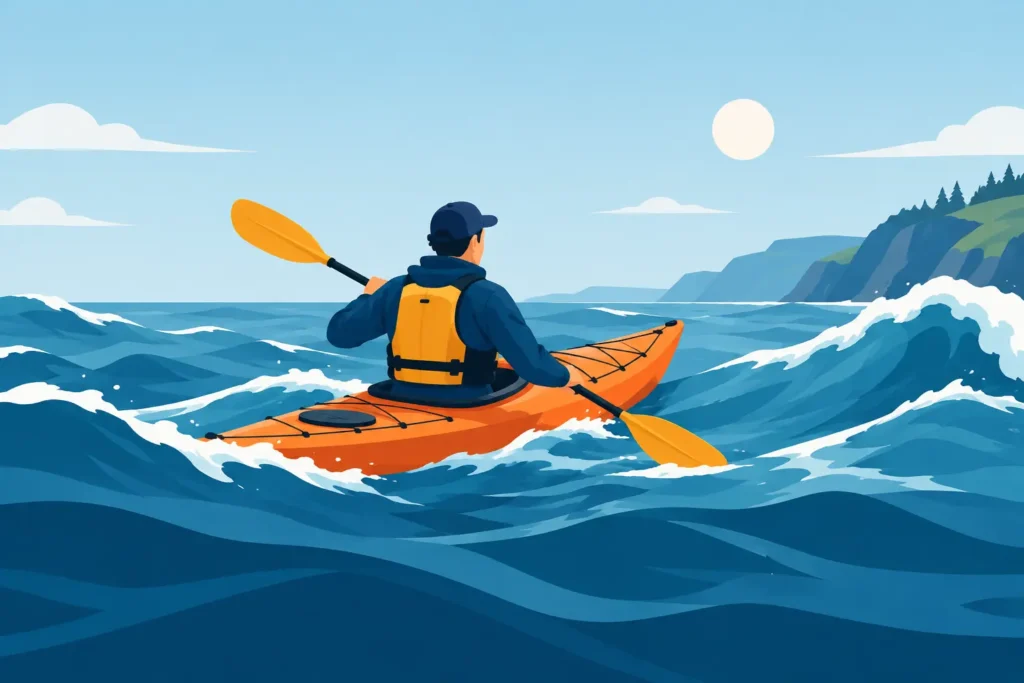
Golfo Dulce is one of the country’s standout regions for travelers drawn to sea kayaking. This protected tropical gulf on the southern Pacific coast combines calm-water paddling opportunities with deep rainforest, isolated beaches, and remarkably rich marine life. Lodges here can place guests near the water in a way that road-based accommodations cannot.
Look for a property with direct shoreline access, reliable boat transfers, and staff who understand tides, weather, and local conditions. The coastline can feel wonderfully remote, but that remoteness raises the value of good trip planning. A lodge-to-lodge route lets paddlers travel through the landscape rather than commuting to it each morning, with fresh meals, secure accommodations, and local knowledge waiting at the end of the day.
Wildlife is part of the rhythm here, not a scheduled attraction. You may see monkeys, toucans, herons, dolphins, or seasonal whale activity, but nature does not perform on command. The best guides and lodge teams understand that distinction. They know where to look, when to slow down, and how to give wildlife space.
Tortuguero: Canals and Rainforest at Water Level
Tortuguero is a different kind of paddling destination. Its network of canals and lagoons makes it ideal for travelers who want wildlife observation at a quieter pace. Here, a well-sited ecolodge can place you close to rainforest waterways where the soundscape may include frogs, birds, monkeys, and the steady movement of water through vegetation.
This region rewards patience. You are less likely to be chasing open-water miles and more likely to be scanning the banks for caimans, iguanas, turtles, or a flash of color in the canopy. Lodges should be evaluated for their access to the water, their naturalist expertise, and how they manage their footprint in a sensitive wetland environment.
Because Tortuguero is reached by boat or small aircraft rather than a simple highway drive, logistics matter. A quality guided trip removes the uncertainty around transfers, luggage, launch points, meals, and daily route choices. That structure lets you focus on the experience rather than the moving parts.
Remote Pacific and Caribbean Coasts: Access Changes Everything
Some Costa Rica ecolodges are built for beach time and rainforest walks. Others are positioned for true coastal exploration. If kayaking is central to your trip, ask how guests actually reach the water and what happens when conditions change. A beach launch may be easy on a calm morning and unsuitable in surf. A lodge that coordinates with experienced guides and has contingency plans is a far better choice than one that simply rents equipment from a shed.
On the Caribbean side, weather patterns and water conditions can be different from the Pacific. This is where regional expertise matters more than broad promises. The itinerary should match the season, your experience level, and the realities of the coast.
How to Spot a Lodge With Real Environmental Practices
You do not need a sustainability audit to ask smart questions. Start with the lodge’s relationship to water, waste, energy, food, and the local community. Specific answers are more meaningful than broad claims about being green.
A responsible property can explain where its water comes from, how wastewater is treated, and how it reduces waste in a setting where hauling trash out may be difficult. It should take wildlife seriously too. That means no feeding animals for guest photos, limited noise and light near nesting or feeding areas, and guides who understand observation ethics.
Community connection is another strong signal. Locally employed guides, locally purchased food, partnerships with nearby boat operators, and cultural experiences led by residents keep more value in the region. This is especially important in remote destinations, where tourism can either support local livelihoods or bypass them entirely.
Do not assume that smaller is always better or that luxury is automatically less responsible. A small lodge may lack the resources for sophisticated water treatment, while a larger operation may invest heavily in conservation and local employment. Look at the details, then decide which trade-offs fit your values and travel style.
The Comfort Question: What You Actually Need
An active day in tropical Costa Rica is more enjoyable when your recovery is handled well. After hours in a kayak, most travelers value a dry room, a comfortable bed, a place to rinse gear, filling meals, and a quiet setting over flashy extras. Good ecolodges understand that practical comfort is part of responsible hospitality.
For a multi-day expedition, ask whether rooms have secure storage, whether wet gear can dry overnight, and whether meals can accommodate dietary needs. In remote locations, communicate food restrictions well before arrival. Also ask about power, charging, and connectivity if you need to stay in touch with family or work. It is better to plan for limited service than be surprised by it.
Air conditioning is a personal call. Some travelers sleep better with it, especially after humid days. Others prefer open-air cabins, ceiling fans, and the sounds of the forest. Neither choice is more adventurous. The important point is to choose knowingly, rather than expecting an urban hotel experience in a place designed around the surrounding ecosystem.
Pair the Lodge With the Right Guided Experience
A lodge is only one part of an adventure. The guide team, route design, safety systems, equipment, and group size determine whether the days on the water feel effortless or unnecessarily complicated. For sea kayaking in particular, local knowledge of tides, wind, boat traffic, landing sites, and changing weather is not optional.
Sea Kayaking Costa Rica builds guided small-group expeditions around this reality, including lodge-to-lodge paddling in Golfo Dulce and wildlife-focused journeys through Tortuguero. The goal is not to rush from attraction to attraction. It is to travel through wild country with the right support behind you: professional guides, quality equipment, carefully managed logistics, and enough time to notice what most visitors pass by.
A strong guided itinerary also makes ecolodge stays more meaningful. Rather than treating the lodge as a stopover, your guide can connect the setting to the day’s route, explain the ecology of the coast or canal, and help you understand the people and working landscapes around you.
Choose the ecolodge that gets you closer to the water, gives the rainforest room to be wild, and supports the kind of travel you will still be talking about long after your paddle dries.