Costa Rica Ecolodges for Active Travelers
September 1, 2026
Costa Rica Expedition Guide for Serious Paddlers
September 5, 2026
A tropical expedition should begin long before you push a kayak off a quiet beach or hear howler monkeys from an ecolodge at dawn. Knowing how to book tropical expeditions means looking beyond dramatic photos and choosing an experience with the right balance of wild country, capable guides, thoughtful logistics, and a pace that suits you.
For active travelers, the goal is not simply to visit Costa Rica or Panama. It is to travel through places most visitors never reach: mangrove channels, rainforest-fringed gulfs, coral reefs, remote beaches, and Indigenous communities. The right trip makes that access feel exhilarating, not uncertain.
Start With the Expedition You Actually Want
“Tropical expedition” can describe very different trips. A wildlife-focused kayak journey through Tortuguero is not the same as a lodge-to-lodge paddle across Costa Rica’s Golfo Dulce, and neither feels like a culturally rich island expedition in Panama’s San Blas archipelago. Each has its own terrain, weather patterns, daily rhythm, accommodations, and physical demands.
Begin with the experience you want most. If wildlife is the priority, look for an itinerary built around quiet waterways, early starts, and habitats where guides can interpret what you see. If you want more time on open water and a physical paddling challenge, a coastal route with longer crossings may be a better match. If snorkeling, island life, and cultural encounters matter most, choose an expedition that gives those moments real space rather than treating them as a quick add-on.
Trip length matters, too. A seven- or eight-day itinerary often allows enough time to settle into expedition life without rushing from place to place. That extra time can make a major difference in the tropics, where a rain shower, a wildlife encounter, or a changing tide should be part of the experience, not a disruption to a rigid schedule.
Choose a Guide Team, Not Just a Destination
Remote tropical travel rewards local expertise. A polished website and a low starting price do not tell you whether an operator understands tides, weather windows, water conditions, local communities, evacuation procedures, or the realities of moving guests and equipment through isolated regions.
Ask who leads the trip and how often that team works in the destination. Experienced expedition guides do more than point out wildlife. They make informed route decisions, adjust the day to conditions, teach efficient paddling skills, manage group energy, and create a calm, well-organized environment when plans need to change.
Safety should be visible in the operator’s approach. Look for small group sizes, properly maintained boats and safety gear, clear participant screening, communication plans, first-aid capability, and realistic descriptions of the route. A responsible outfitter will not promise that every day is easy or every condition is perfect. Instead, they will explain how they prepare for the variables that make tropical travel so memorable.
This is where a specialist outfitter earns its value. Sea Kayaking Costa Rica, for example, builds trips around intimate knowledge of Costa Rican and Panamanian waters, rather than trying to offer every possible adventure in every destination. That kind of focus usually leads to stronger logistics and a more considered guest experience.
Match the Route to Your Fitness and Comfort Level
You do not need to be an elite athlete to join many guided sea kayaking expeditions. You do need to be honest about your readiness. A good itinerary description should explain approximate daily paddling distances, expected time on the water, conditions you may encounter, and whether there are longer open-water sections.
Fitness is only one part of the equation. Consider your comfort with heat, humidity, wet clothing, uneven trails, camping, boat transfers, and early mornings. A lodge-based trip may offer more comfort and recovery time than a camping expedition, while a route with daily vehicle support may feel more accessible than a fully self-contained journey.
If you are newer to kayaking, guided instruction and quality equipment can make a significant difference. A stable sea kayak, properly fitted paddle, reliable personal flotation device, and patient coaching help you focus on the scenery instead of struggling with the mechanics. Experienced paddlers, meanwhile, may prefer a route that includes longer days, more technical conditions, or a greater sense of self-propelled travel.
Do not choose the hardest itinerary simply because it sounds more impressive. Choose the trip that lets you stay engaged, enjoy the place, and finish each day with enough energy to snorkel, watch birds, share dinner with your group, and appreciate where you are.
Read What Is Included Before Comparing Prices
The price of a tropical expedition reflects far more than transportation and a place to sleep. On a well-run guided trip, it may include expedition leadership, kayaks and paddling equipment, lodging or camp infrastructure, meals, local transfers, support boats, park access, and carefully coordinated travel between remote locations.
When comparing operators, make a like-for-like comparison. One trip may appear less expensive but exclude airport transfers, meals, domestic flights, snorkeling gear, lodging upgrades, or required permits. Another may include all of those items, along with a smaller group and a more experienced guide team.
Pay close attention to what is not included as well. International airfare, travel insurance, gratuities, alcoholic beverages, and incidental expenses are commonly separate. Knowing that upfront allows you to set a realistic total trip budget instead of making decisions based on a headline rate.
The quality of accommodations is also worth examining. In the tropics, a simple beach camp can be extraordinary when it is well planned, with dry sleeping arrangements, good meals, clean water, and a beautiful setting. Likewise, an ecolodge should be more than a bed between activities. The best stays deepen the sense of place, whether you are waking to rainforest birds or watching the sun set across a sheltered gulf.
Pick Dates for Conditions, Not Just Convenience
There is no single best month for every tropical destination. Costa Rica and Panama have regional weather differences, and a trip’s conditions can vary depending on which coast, gulf, river system, or island chain you visit. Green-season travel can bring fuller rivers, fewer visitors, vivid rainforest, and afternoon rain. Drier periods may offer more predictable conditions in some areas, but they can also be busier and more expensive.
Rather than searching for a perfect forecast, ask what the operator expects during your travel window. Are morning departures standard because afternoon winds build? Is rain likely to be brief or persistent? Are certain months better for sea turtles, migratory birds, whale sightings, or calmer water? An honest answer helps you choose dates that align with your priorities.
If your schedule allows, build flexibility around international flights. Arriving at least one night before an expedition begins can protect the first day of your trip from airline delays and let you start rested. The same thinking applies at the end: avoid booking a tight onward connection if the itinerary finishes after a long transfer from a remote region.
Ask the Questions That Reveal Trip Quality
Before placing a deposit, ask direct questions. How many guests are on a typical departure? What is the guide-to-guest ratio? What happens if weather changes the route? How is drinking water handled? What communications are available in remote areas? What experience is expected of participants?
Also ask about the daily flow. A meaningful expedition has room for more than mileage. You want to know whether there is time for snorkeling, wildlife observation, short walks, swimming, and conversation with local hosts. The strongest itineraries feel active without becoming a race.
A professional operator should answer clearly and specifically. Vague assurances are less useful than practical details about boats, guides, accommodations, contingency plans, and the actual pace of each day.
Reserve Early, Then Prepare With Purpose
Small-group departures fill differently than large resort vacations. Popular dates, single-room upgrades, and flights to regional gateways can become limited well in advance. Once you have found the right route and dates, reserving early gives you better options and more time to prepare physically.
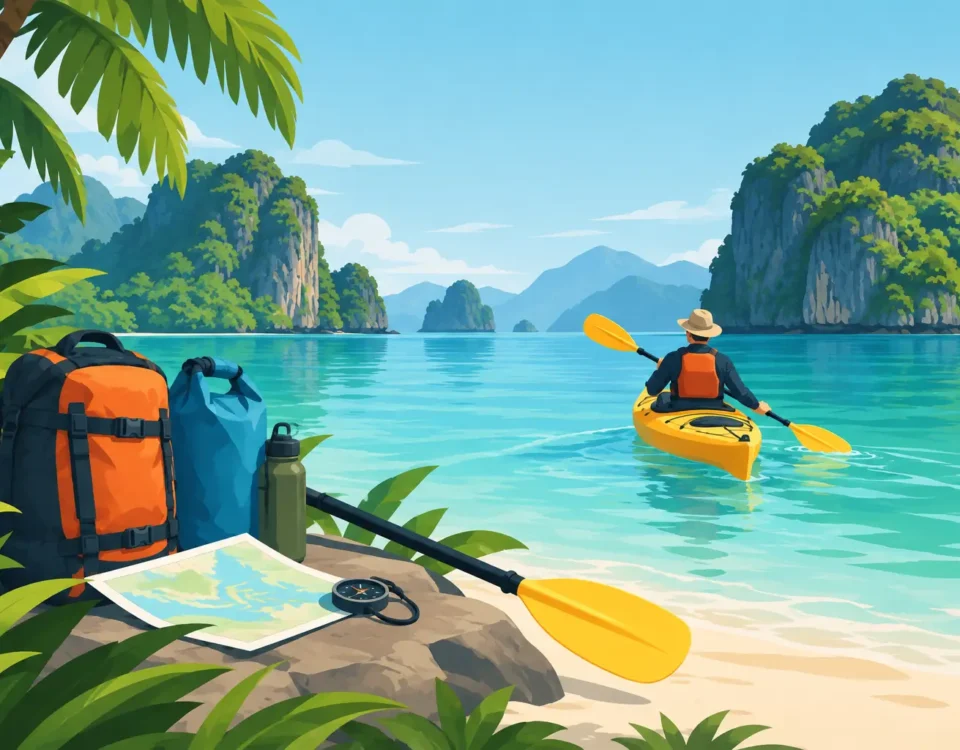
After booking, follow the operator’s packing guidance rather than building your own oversized gear list. Tropical expeditions generally reward light, quick-drying layers, sun protection, rain protection, sturdy sandals or water shoes, a reusable water bottle, dry bags, and any required personal medications. The right kit keeps you comfortable without crowding the vehicle, kayak, or camp.
A few weeks of simple preparation can improve the trip dramatically. Walk on uneven terrain, spend time on the water if possible, and build the stamina to be active for several consecutive days. You are preparing for more than a workout. You are preparing to be present for every paddle stroke, every rainforest sound, and every quiet mile beyond the usual tourist route.
Book the expedition that feels ambitious but well supported, then give yourself permission to let the tropics set the rhythm. The best days are often the ones no brochure can fully predict.