
Costa Rica Wildlife Kayaking Trip Guide
July 10, 2026
Off the Beaten Path Costa Rica Tours That Deliver
July 13, 2026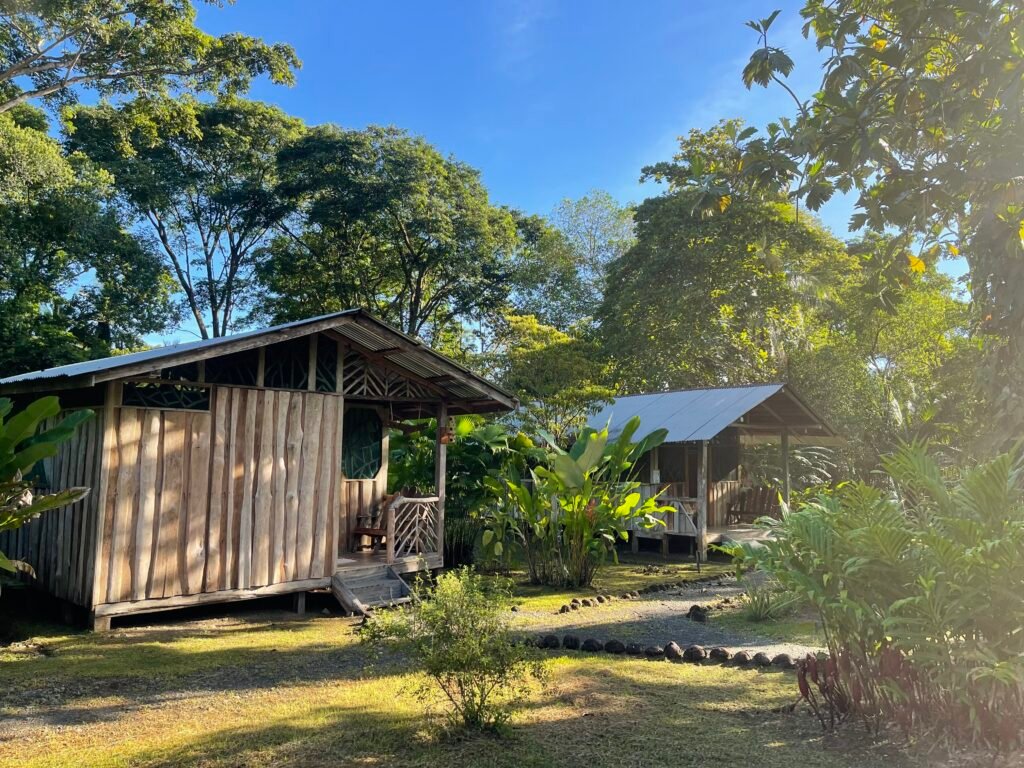
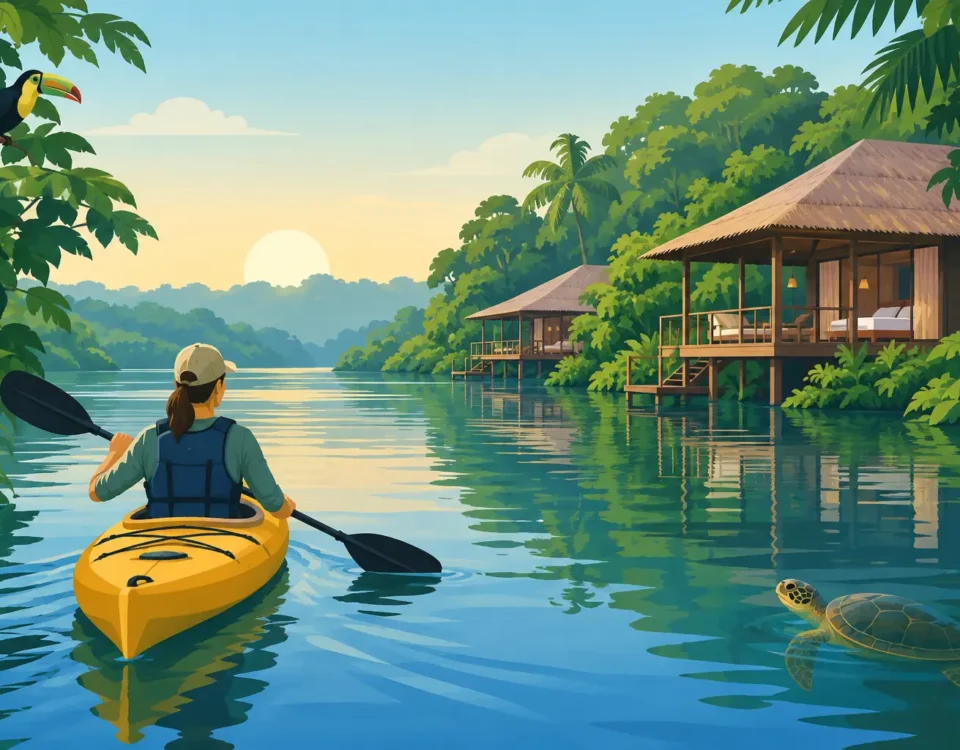
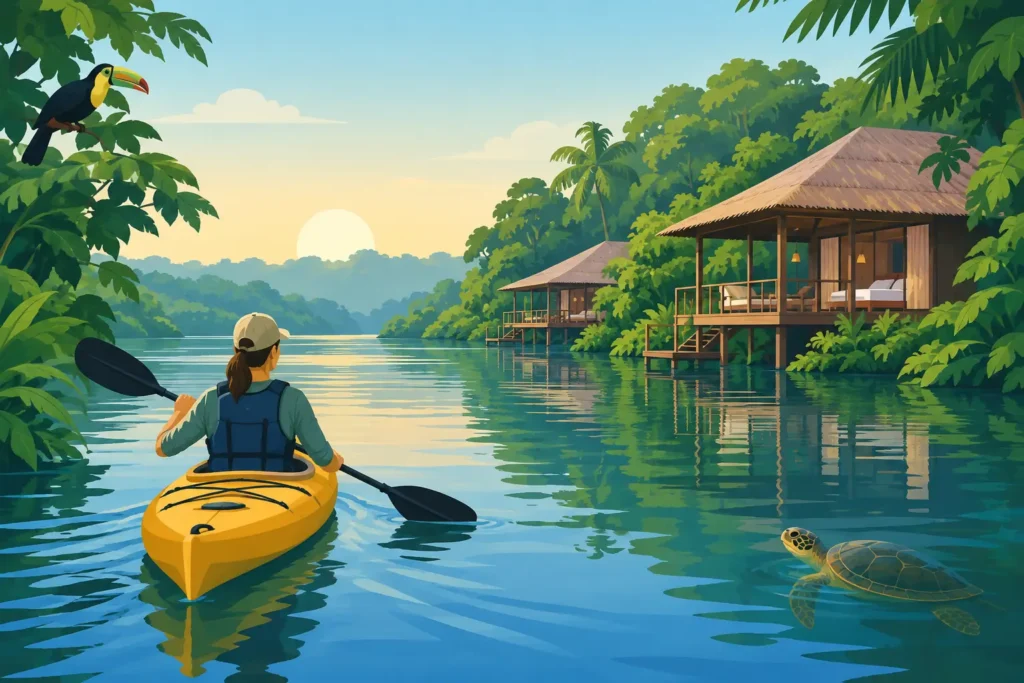
A lodge to lodge kayaking trip changes the rhythm of a tropical vacation. Rather than paddling out from one hotel and returning to the same shore every afternoon, you move through the landscape under your own power. One day may begin with scarlet macaws calling over a calm gulf; the next may end at a remote ecolodge, with a cold drink, a warm meal, and the rainforest settling into its nighttime soundtrack.
For active travelers, this is the sweet spot between a hard-edged wilderness expedition and a conventional resort stay. You earn the views, wildlife encounters, and quiet beaches with every stroke, then recover in comfortable accommodations selected for their setting, hospitality, and access to the route ahead.
Why a Lodge to Lodge Kayaking Trip Is Different
A true lodge-to-lodge journey creates a sense of forward motion that day trips cannot match. Each paddle has a purpose: reach the next protected bay, round the next headland, cross to the next stretch of undeveloped shoreline. Your route becomes a living map of the destination rather than a loop around one small area.
In a place like Costa Rica’s Golfo Dulce, that matters. The gulf is framed by rainforest-covered mountains, deeply indented coastline, and waters rich with marine life. Traveling by sea kayak puts you at water level, where you can watch dolphins surface ahead of the group, scan shoreline trees for monkeys, and slip quietly into coves that larger boats often pass by.
The experience also offers more immersion without requiring you to carry everything on your back. A guided itinerary can move luggage, arrange meals, prepare boats, and coordinate transfers, allowing you to focus on paddling well, noticing your surroundings, and enjoying the places you reach. It is active travel with a serious logistics plan behind it.
The Daily Rhythm: Paddle, Arrive, Settle In
Most days follow a satisfying expedition rhythm. After breakfast, guides review the route, weather, water conditions, and the skills that matter for the day. You pack essentials for the water, launch from shore, and settle into the steady cadence of a small group moving along the coast.
Paddling distances vary by itinerary, conditions, and the group’s experience. Some days are built around a scenic crossing or a longer coastal section. Others leave time to snorkel, walk a beach, watch wildlife, or simply enjoy the fact that there is no road noise and no schedule beyond the tide, weather, and dinner.
Arrival is a major part of the reward. Instead of unpacking at the same property again, you reach a new lodge or ecolodge with a different view and character. One may sit near a quiet beach. Another may be tucked into lush forest. The accommodations are not an afterthought or a compromise for adventure – they are part of the route’s appeal.
That said, lodge-to-lodge does not mean luxury in the urban sense. Remote coastal properties may have simpler rooms, limited connectivity, and a more relaxed pace of service. For many travelers, those are features, not flaws. The trade-off for polished city convenience is direct access to wild country that remains difficult to reach any other way.
Why Guided Travel Makes Remote Paddling Better
Tropical sea kayaking looks effortless from a beach, but a well-run multi-day trip requires good judgment. Wind can build in the afternoon. Tides affect landings. Rain can arrive quickly, and exposed coastlines demand different decisions than sheltered bays. The best trips are designed around those realities rather than treating them as surprises.
Experienced guides read conditions, set a pace that supports the group, and adjust the plan when needed. They also bring local knowledge that elevates the journey: where dolphins are frequently seen, which shoreline is best for a break, how to identify bird calls, and why a particular mangrove channel matters to the larger ecosystem.
Safety is not separate from the adventure. It makes the adventure possible. Quality sea kayaks, properly fitted personal flotation devices, communication systems, first-aid preparedness, and clear on-water protocols give guests the confidence to be present in a place that may feel far from everyday life.
At Sea Kayaking Costa Rica, small groups are central to that approach. A smaller group is easier to manage on the water, more flexible when conditions change, and more likely to enjoy the quiet moments that define an expedition. It also means guides can offer practical coaching to paddlers who want to improve their stroke, edging, turning, or confidence in light chop.
Who Will Enjoy This Style of Trip?
A lodge-to-lodge kayaking trip is ideal for travelers who want their vacation to feel earned. You do not need to be an elite athlete, but you should enjoy being active for several consecutive days and be comfortable spending meaningful time outdoors. A positive attitude matters as much as raw fitness, especially when a little rain, wind, or mud becomes part of the story.
Many guests are couples, friends, and solo travelers who have outgrown passive beach vacations but do not want a trip defined by discomfort. They want real wildlife, real landscapes, and real cultural connection, with the reassurance of capable guides and organized support.
Prior sea kayaking experience can be helpful, but it is not always required. The right trip depends on the route, expected conditions, your fitness, and your willingness to learn. Be candid about your paddling background when choosing an itinerary. A reputable outfitter will explain the daily demands clearly instead of promising that every trip fits every traveler.
What to Expect From the Physical Side
Sea kayaking uses your torso, shoulders, back, and core, but efficient paddling is not about muscling through the day. Good guides teach a relaxed, rotational stroke that spreads effort through the body and helps prevent fatigue. The goal is sustainable movement, not racing from one destination to the next.
Prepare by building general endurance before departure. Walk, hike, cycle, swim, or use a rowing machine several times a week. Add simple mobility work for shoulders and hips. If you can spend time in a kayak before the trip, even better, but it is not the only path to being ready.
Expect a few normal challenges: warm sun, damp clothing, occasional wind, and the pleasant tiredness that follows a full day on the water. Paddling days can feel more demanding than their mileage suggests because conditions matter. A short crossing into a headwind may take more energy than a longer glide along a protected shore.
Pack for Comfort, Not for a Fashion Shoot
Your outfitter will provide a detailed packing list, and following it closely makes the trip more comfortable. Quick-drying clothing, sun protection, a reusable water bottle, secure sandals or water shoes, and a lightweight rain layer are usually more useful than bulky travel outfits. Dry bags protect the essentials you carry during the day, including sunscreen, camera gear, medications, and a spare layer.
Bring clothing you can layer. Tropical destinations are warm, but early mornings, rain showers, and breezy water crossings can feel cool. A brimmed hat and sunglasses with a retaining strap are small items that make a long day on reflective water far more enjoyable.
Resist overpacking. Lodge-to-lodge expeditions reward travelers who bring what they need and leave room for the experience. You will remember the morning mist lifting from the rainforest and the sound of a dolphin breathing near your kayak, not whether you had a different outfit for every evening.
The Best Part Happens Between the Big Moments
People often book a kayaking expedition for the headline experiences: rainforest, wildlife, snorkeling, remote beaches, and tropical water. Those are worth traveling for. Yet the moments guests talk about afterward are often quieter: the group drifting together while a guide points out a distant bird, the first glimpse of that evening’s lodge, or the calm satisfaction of landing after a challenging crossing.
That is what makes lodge-to-lodge travel so memorable. It gives the destination time to unfold instead of asking you to consume it from a vehicle window. Choose a route that matches your ability, travel with guides who know the water intimately, and let each new shoreline become part of the journey.