What a Lodge to Lodge Kayaking Trip Feels Like
July 12, 2026
Is Sea Kayaking in Costa Rica Safe for You?
July 14, 2026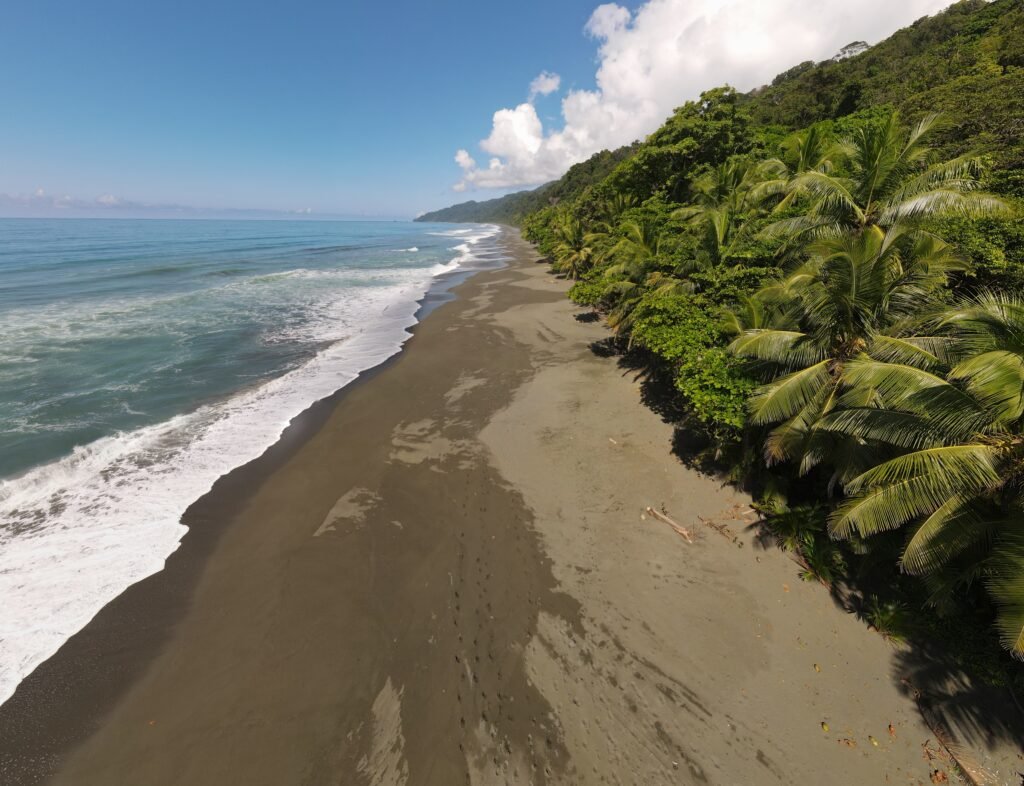
At first light in Golfo Dulce, the water can be so still that a paddle stroke carries across the bay. Scarlet macaws call from the forest edge, dolphins may surface beyond the bow, and there is no resort soundtrack competing with the moment. That is the appeal of off the beaten path Costa Rica tours: travel that puts you in wild places long enough to feel their rhythm, without asking you to figure out every transfer, tide, meal, or safety decision on your own.
Costa Rica is famous for good reason, but its most memorable experiences are rarely found from a crowded roadside overlook or a day-trip van. They happen farther out: on a quiet mangrove channel, along a remote shoreline, or at an ecolodge reached after a day under your own power. For active travelers, the best route beyond the usual circuit is a professionally guided expedition built around the landscape itself.
What “Off the Beaten Path” Should Actually Mean
The phrase gets used too freely in travel marketing. A hotel surrounded by other hotels is not remote because it has a jungle view. A packed beach is not wild because monkeys pass through at sunset.
A genuinely off-the-beaten-path trip has a few defining qualities. It takes place in regions with limited road access or fewer large-scale developments. It creates time for immersion rather than a checklist of brief stops. And it is led by people who understand the conditions that shape the experience, from changing weather and sea state to local wildlife habits and community customs.
That does not mean roughing it for the sake of it. The right expedition combines real access with thoughtful support. You may spend the day paddling a protected tropical coast, then arrive at a comfortable lodge, a well-run camp, or a small coastal community. You get the satisfaction of moving through the country in a meaningful way, while guides handle the logistics that can turn independent travel in remote regions into a complicated puzzle.
Why Kayaking Reaches Costa Rica Others Miss
Road travel reveals a great deal of Costa Rica, but it also has limits. Many of the country’s most compelling waterways and coastlines are best approached from the water. A sea kayak moves quietly, lands on beaches without marinas, and lets you travel at the pace where wildlife encounters have a chance to happen.
In the Golfo Dulce, a sheltered Pacific gulf backed by dense rainforest, paddlers can trace a coastline where forest meets sea. The region is known for its biological richness, and a multi-day journey allows room for the unscripted moments: a troop of monkeys in the canopy, rays moving through clear shallows, or a pause offshore to watch dolphins travel through the bay.
On the Caribbean side, Tortuguero offers a different kind of expedition. Its maze of canals, lagoons, and rainforest waterways is a natural fit for paddling. Rather than simply passing through on a motorized boat, kayaking brings you close to the sounds and details of the forest. You notice the wingbeat of a heron lifting from the bank, the ripples from a turtle, and the shifts in light beneath overhanging vegetation.
The trade-off is that kayaking asks for participation. You will paddle, get wet, and work with the day’s conditions. But a well-designed itinerary makes that effort accessible for active travelers who may not be expert paddlers. Good instruction, quality equipment, sensible distances, small groups, and experienced leaders matter more than athletic bravado.
The Value of a Multi-Day Itinerary
A single afternoon on the water can be fun. It rarely changes how you experience a destination. Multi-day expeditions do.
Several days allow an itinerary to follow the natural pace of the place. Early starts can take advantage of calmer water and active wildlife. Midday can be reserved for swimming, snorkeling, lunch, or rest. Later in the day, there is time to settle into a lodge or camp and watch the landscape shift rather than racing onward to the next attraction.
This format also makes the journey itself part of the reward. A lodge-to-lodge paddle through Golfo Dulce is not transportation between highlights. Every stretch of shoreline is part of the story. The same is true in Tortuguero, where each canal can reveal a different layer of rainforest life.
Choosing Off the Beaten Path Costa Rica Tours Wisely
Remote travel deserves more planning, not less. The best operators make an adventure feel uncomplicated because the hard work has happened well before guests arrive. When comparing trips, look past dramatic photos and ask how the expedition is actually run.
First, consider the guide team. In a tropical coastal environment, guides need more than general outdoor skills. They should understand local weather patterns, tides, currents, route options, wildlife protocols, and group management. Their knowledge helps create better days on the water, but it is also the foundation of sound decision-making when conditions change.
Next, examine the group size and support. Small groups are not just more personal. They are easier to manage on the water, more flexible around wildlife, and better suited to quiet places. Ask about kayaking instruction, safety systems, communication equipment, emergency planning, and the condition of the boats and paddling gear.
Finally, look at the rhythm of the itinerary. A strong trip balances activity with recovery. It should state the expected paddling level clearly, include realistic travel days, and leave room for weather adjustments. An itinerary that promises every possible activity may be exciting on paper, but an expedition with space to adapt often delivers a better experience in the field.
The Regions That Reward Going Further
Costa Rica is compact on a map, yet travel times and terrain make its regions feel distinct. Choosing the right one depends on what you want most from the trip.
Golfo Dulce for Wild Pacific Coastline
Golfo Dulce is an exceptional choice for travelers drawn to coastal paddling, rainforest, warm-water snorkeling, and secluded beaches. Its protected waters can offer a more forgiving setting than an exposed ocean coast, although conditions always vary. The surrounding Osa region remains one of the country’s strongest options for travelers who want nature to lead the itinerary.
This is a place for guests who want an active expedition with a comfortable measure of support. Days are physical but purposeful, with the reward of arriving in places that road-based visitors rarely experience in the same way.
Tortuguero for Rainforest Wildlife
Tortuguero is ideal for wildlife-focused travelers. The waterways create a sense of distance from the rest of the country, even before you see your first caiman, monkey, or colorful bird. Kayaking is particularly well suited to this environment because it minimizes noise and lets guests move slowly through the canal system.
It is less about big coastal vistas and more about observation. Travelers who enjoy birdlife, rainforest ecology, and patient wildlife watching often find Tortuguero deeply rewarding. The conditions can be humid, rainy, and buggy at times, which is part of the rainforest reality. Proper preparation and an experienced guide team make a major difference.
San Blas for Culture and Caribbean Water
For travelers willing to extend their adventure into Panama, San Blas offers a distinct combination of island paddling and cultural perspective. The archipelago’s clear water and low-lying islands are visually striking, but the deeper value lies in traveling respectfully within the homeland of the Guna people.
Cultural encounters should never be treated as a photo opportunity. The best expeditions approach them with context, local relationships, and a clear understanding that guests are visitors. That care gives the experience far more meaning than simply checking another tropical destination off a list.
How to Prepare Without Overpacking
The appeal of a guided trip is that you do not need to arrive as an expedition veteran. You do need to prepare honestly. Build comfort in moderate activity before departure, especially if your usual routine is more desk than trail. A few weeks of walking, swimming, cycling, or paddling can make a noticeable difference in how much you enjoy consecutive days on the water.
Bring sun protection that works when wet, lightweight layers for rain and evening breezes, and footwear appropriate for shore landings. Keep expectations flexible around wildlife. Costa Rica is alive with possibility, not guarantees. Seeing animals in their natural habitat is more meaningful precisely because it is not staged.
Sea Kayaking Costa Rica designs small-group expeditions for travelers who want that balance: real wilderness access, professional instruction, careful logistics, and days that feel earned rather than manufactured.
The right trip will leave you with more than a collection of photos. It will leave you remembering the hush before the birds wake, the feel of warm water around your kayak, and the rare satisfaction of reaching a place that still feels like a place apart.