How to Avoid Seasickness Kayaking on Open Water
November 2, 2026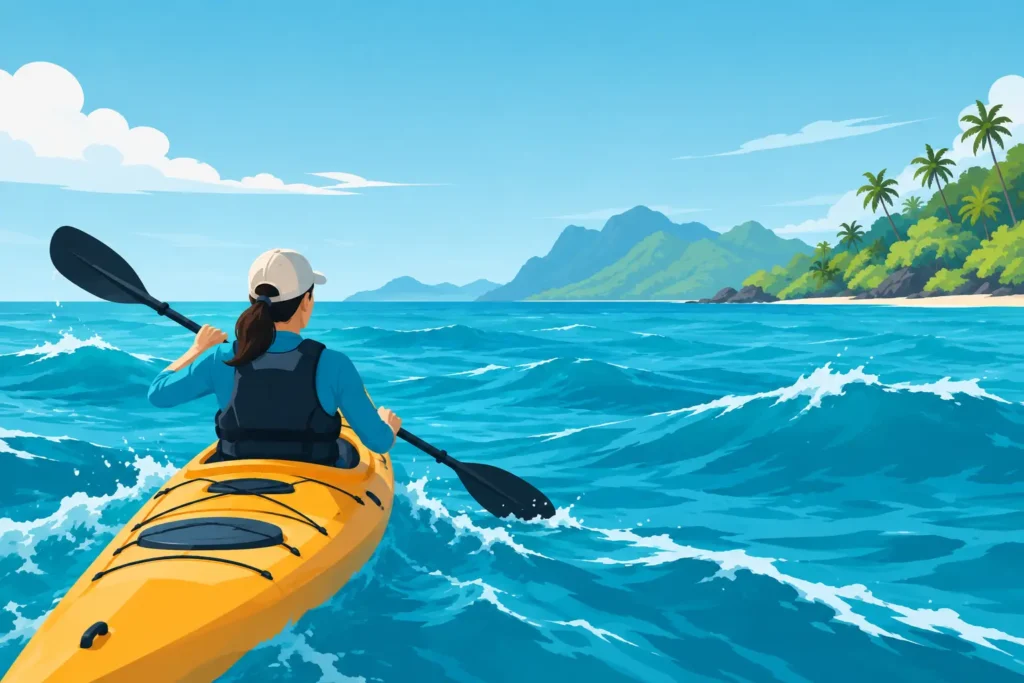
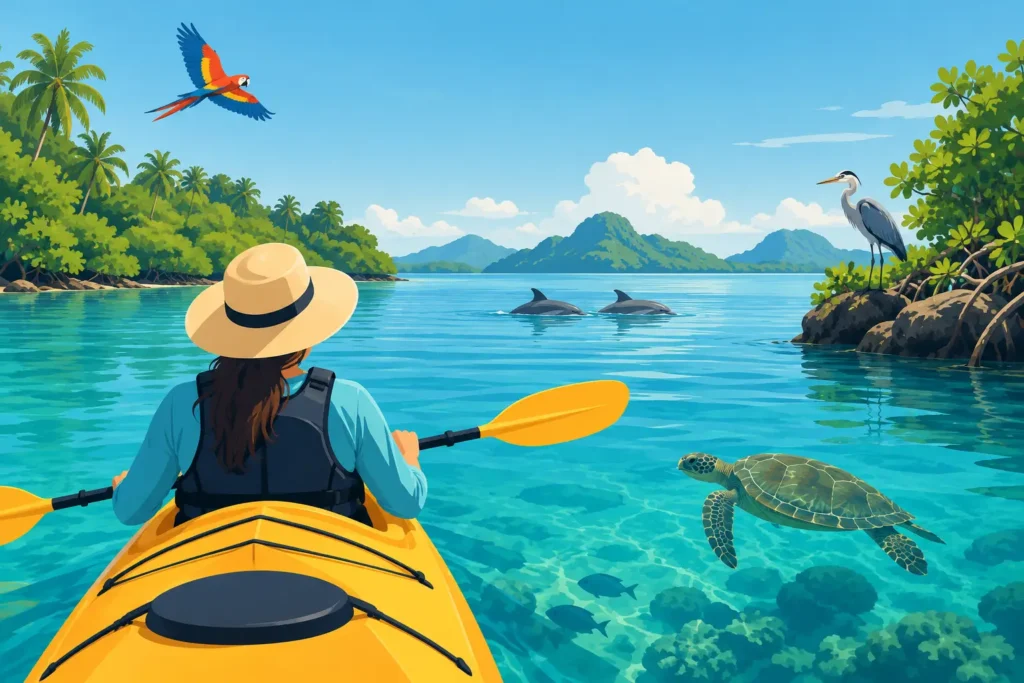
A glassy tropical bay can make sea kayaking feel effortless. Then, a few miles farther along the coast, an afternoon breeze, a headland, or a distant swell can turn that same day into a serious paddling challenge. So, are tropical waters rough? Sometimes. But the word “tropical” tells you far less about paddling conditions than the coastline, season, weather pattern, and route you choose.
For travelers considering a guided kayaking expedition in Costa Rica or Panama, that is good news. Tropical destinations offer extraordinary opportunities for protected-water paddling, wildlife encounters, snorkeling, and remote coastal travel. They also demand sound judgment. The best trips are designed around the conditions, not against them.
Are tropical waters rough for sea kayaking?
Tropical water is not automatically calm, and it is not automatically rough. Many people picture warm seas as permanently placid, while others assume a tropical coastline means big surf and relentless heat. Neither picture is reliable.
Roughness comes from energy moving through the water. Wind creates short, steep chop. Ocean swell, often generated by storms far offshore, can produce rolling waves and powerful surf at exposed beaches. Tidal currents can accelerate through channels, around islands, and near river mouths. Local geography matters just as much: a protected gulf, mangrove-lined estuary, or island-dotted archipelago can remain remarkably calm while the open coast nearby is challenging.
That contrast is one reason experienced local route planning matters. A strong expedition does not merely put kayaks in beautiful water. It selects launch sites, camps, crossings, and travel windows that match the group and the day.
Why tropical coasts can change so quickly
Warm air, intense sun, and complex coastlines create daily rhythms that sea kayakers need to respect. The most dependable paddling window is often early in the day, before thermal winds strengthen. By late morning or afternoon, onshore breezes can build a persistent chop, especially across broad bays or exposed passages.
Rainy-season weather adds another layer. A tropical downpour may pass quickly and leave calm water behind, but thunderstorms bring lightning risk, reduced visibility, gusty winds, and sudden runoff near river mouths. Offshore systems can also send swell toward shore even when the local sky is blue.
This does not mean the rainy season is off-limits. It means expectations and logistics should be adjusted. In many areas, lush rainforest, active wildlife, and quieter shorelines make the green season deeply rewarding. A professional guide team watches forecasts, reads the water in real time, and keeps alternate routes available when conditions shift.
Wind, not warmth, is often the deciding factor
For most recreational sea kayakers, wind is the condition they feel most immediately. A 10 to 15-knot breeze can create tiring chop on open water, particularly when it blows against current or across a long stretch of exposed coastline. The same wind may barely register inside a sheltered gulf or behind a chain of islands.
Direction matters. A tailwind can make progress easy but may complicate boat control and landing. A headwind can turn a short crossing into demanding work. A crosswind requires steady edging, corrective strokes, and close attention to group spacing. Good guides build the day’s route around these realities rather than treating them as an afterthought.
Swell changes the shoreline first
Swell can be deceptive because it may feel gentle offshore. Long, smooth waves are often manageable in a properly outfitted sea kayak, but those waves concentrate energy as they reach shallow water. That is where beach landings, rocky points, and narrow channels become more technical.
On a well-run tropical expedition, guides assess launch and landing zones before committing the group. They look for wave timing, safe channels, backwash off rocks, and places where guests can exit boats without being rushed by surf. If a landing is not appropriate, the plan changes. Remote adventure is never improved by forcing a bad landing.
Costa Rica and Panama offer different paddling realities
Costa Rica’s Pacific and Caribbean coasts behave very differently, and Panama adds another range of conditions. It is more useful to ask about a specific region and itinerary than to ask whether an entire country has rough water.
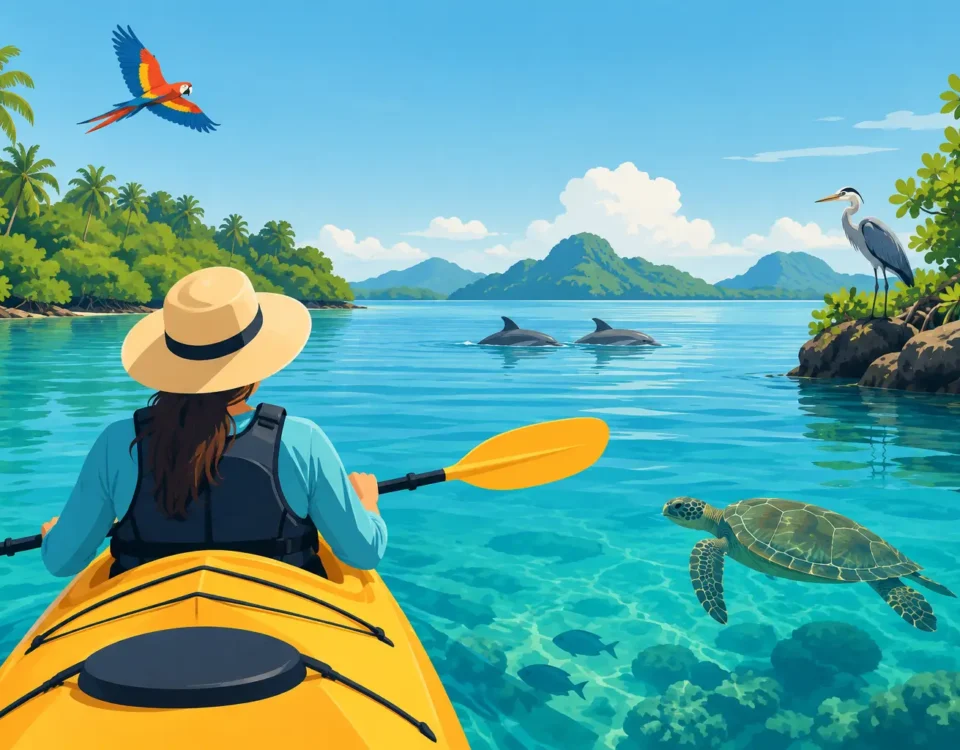
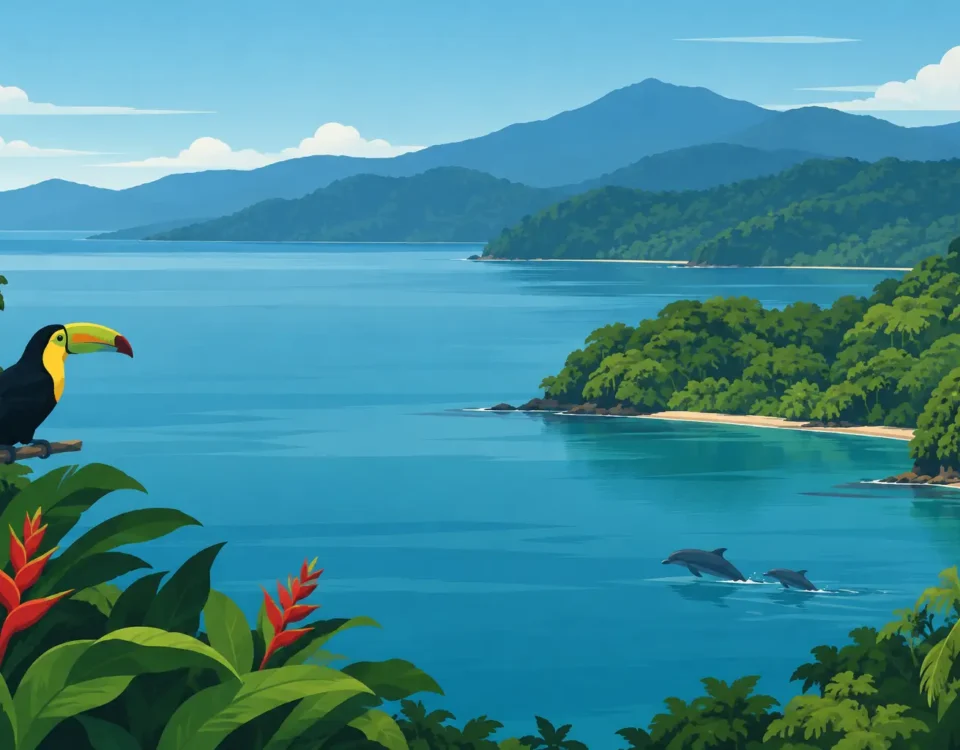
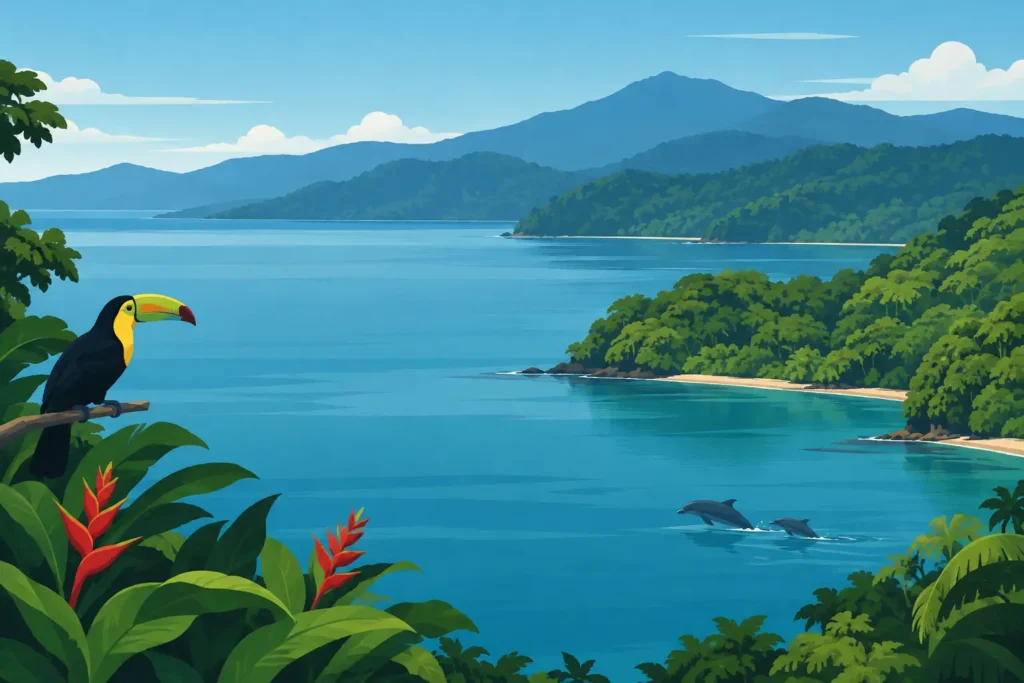
The Golfo Dulce on Costa Rica’s southern Pacific coast is a classic example of protected-water potential. Its deep, sheltered geography can offer excellent conditions for multi-day sea kayaking, with rainforest-covered shorelines, quiet coves, and frequent wildlife sightings. It is still a large body of water, so wind and weather remain relevant, but its protection makes it fundamentally different from an exposed Pacific beach break.
Tortuguero is another distinct environment. Paddling there often focuses on sheltered canals, lagoons, and waterways threaded through dense rainforest. The experience is less about open-ocean mileage and more about moving quietly through habitat where monkeys, birds, caimans, and turtles may be part of the day. Weather affects comfort and visibility, yet the route design avoids treating the open Caribbean as the main playground.
In Panama’s San Blas archipelago, islands and reefs can create spectacular turquoise-water paddling and snorkeling conditions. At the same time, open passages between islands can be affected by trade winds, wind waves, and current. A capable itinerary balances protected routes with more exposed crossings, choosing the latter only when the group and forecast support it.
What conditions should beginners expect?
A beginner does not need perfectly flat water to enjoy a sea kayaking trip. Small waves and light chop are normal parts of the experience, and learning to paddle efficiently in moving water can be deeply satisfying. But beginners should not be placed in conditions that exceed their skills, fitness, or confidence.
The right trip has clear screening, conservative daily decisions, stable expedition kayaks, properly fitted safety equipment, and guides who actively coach rather than simply lead from the front. On multi-day expeditions, the pace should leave room for swimming, wildlife watching, breaks, and the occasional weather adjustment. It should feel like a real journey, not a test of endurance every hour of the day.
If you are newer to sea kayaking, be candid about your experience. Tell the operator whether you have paddled on lakes, rivers, bays, or open water; how comfortable you are swimming; and what kind of physical activity you do regularly. That information helps guides recommend an itinerary that offers adventure without unnecessary exposure.
How expert guides manage rough-water risk
Conditions management starts long before launch. Guides review weather, wind, swell, tide, and route exposure, then consider how those factors interact with the group’s ability. The forecast is valuable, but it is only one input. Local observation matters too: cloud development, wind shifts, changing wave patterns, and water movement around a point can reveal what a generic forecast misses.
On the water, good leadership is visible in small decisions. The group may leave earlier to beat an afternoon breeze. A lunch stop may move to a more protected beach. Boats may travel closer together for a crossing. A guide may choose an inside passage instead of an exposed route, even if it means fewer miles or a different view.
At Sea Kayaking Costa Rica, that kind of decision-making is central to the expedition experience. Local knowledge, well-maintained equipment, small groups, and thoughtful logistics give guests room to enjoy the wildness of the destination while knowing the day has been built with care.
How to prepare for a tropical kayaking trip
Physical preparation helps, but it does not need to be extreme. Build comfort with several hours of moderate activity, practice core rotation, and arrive ready to spend time outdoors in heat and humidity. A few sessions in a kayak before departure can make a major difference, especially if you can practice forward strokes, stopping, and turning.
Pack for changing conditions, not just sunshine. Quick-drying layers, sun protection, a secure hat, hydration, and dry bags are essentials. A lightweight rain layer is useful even when the forecast looks friendly. If you wear glasses, secure them. If you take medication, keep it protected and accessible.
Most of all, bring flexibility. A tropical expedition is not a theme-park schedule. A route may change because a protected mangrove channel is the smarter choice than an open crossing, or because a wildlife-rich cove is too good to rush past. Those adjustments are often what turn a good paddling day into a memorable one.
The right tropical waters are not defined by a promise of perfect calm. They are defined by a well-chosen route, a capable guide team, and the confidence to meet the coast on its own terms.