
How to Train for Kayaking for Tropical Trips
November 20, 2026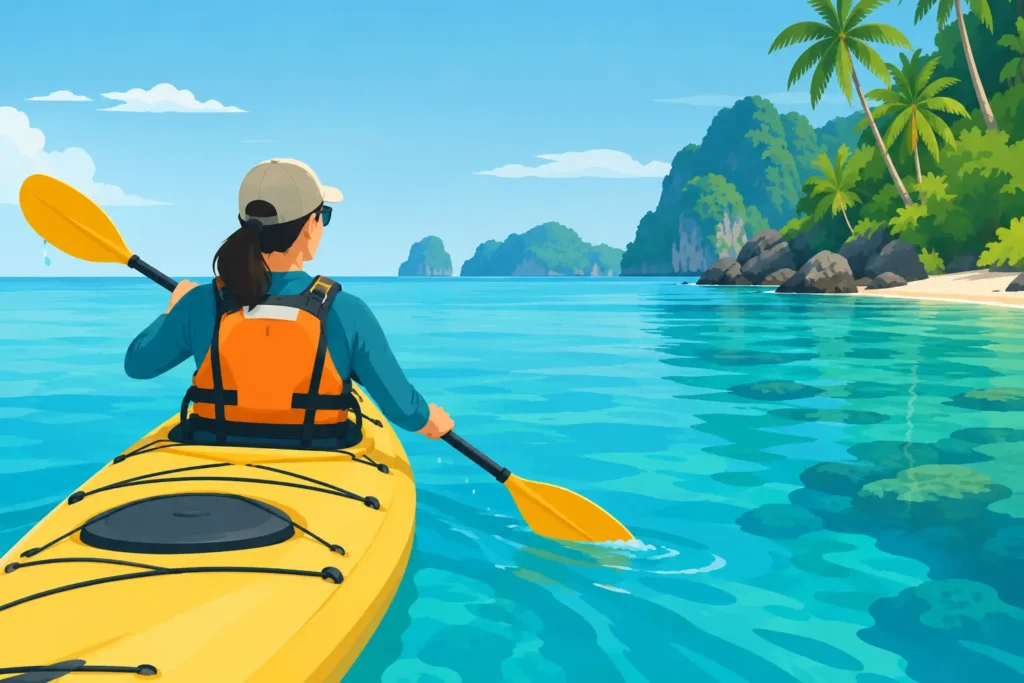
A glassy tropical bay can turn surprisingly fast. A sea breeze builds, a distant storm sends in a new swell, or a tide pulls harder around a headland than expected. That is why kayak safety is never just about knowing how to paddle. It is about reading conditions early, using the right equipment, and making smart decisions before a manageable situation becomes a difficult one.
On a guided coastal expedition in Costa Rica or Panama, the goal is not to eliminate adventure. It is to create the freedom to enjoy wild shorelines, rainforest-backed beaches, snorkeling coves, and wildlife encounters with a skilled team, a clear plan, and dependable support behind every mile.
Kayak Safety Starts Before the Launch
The strongest safety decisions happen on shore. Before a group puts boats in the water, experienced guides assess the full picture: wind direction and strength, tide timing, swell, currents, lightning potential, route exposure, landing options, and the ability of each paddler. Weather forecasts matter, but local observation matters just as much. Tropical conditions can be highly localized, especially near headlands, river mouths, and steep rainforest coastlines.
A sound route plan includes alternatives. If a crossing becomes too exposed, there should be a protected shoreline option. If afternoon thunderstorms are likely, the day may begin earlier, with longer open-water sections completed before heat and wind build. If a landing beach is affected by surf, guides need another place to stop, regroup, and get everyone ashore safely.
This is one of the real advantages of a professionally guided expedition. Guests can focus on the experience, while guides manage the changing details that make coastal travel safe: timing, spacing, communication, and route adjustments. Flexibility is not a compromise. In expedition travel, it is good judgment.
Wear the Gear That Gives You Options
Quality equipment does more than make paddling comfortable. It gives you options when conditions change.
A properly fitted personal flotation device should be worn at all times on the water, not stored behind the seat for later. In tropical heat, it can be tempting to loosen or remove layers, but flotation is essential during an unexpected capsize, a difficult landing, or a rescue. Choose a PFD that allows full shoulder movement and is adjusted snugly enough that it will not ride up over your head in the water.
For sea kayaking, the boat itself matters. A true sea kayak offers more tracking, storage, and stability than a recreational kayak, while bulkheads and sealed hatches provide flotation if the cockpit takes on water. A spray skirt can help keep waves out in rougher conditions, but it should be used only by paddlers who understand how to release it quickly and calmly.
Every expedition team should also carry communication and rescue equipment appropriate to its location and group size. That can include VHF radios, phones or satellite communication devices, first-aid supplies, tow systems, bilge pumps, paddle floats, spare paddles, and signaling devices. The exact kit depends on the route, but the principle does not: safety gear is only useful when the team knows where it is and how to use it.
Sun protection belongs in the safety conversation, too. Tropical sun, humidity, and reflected glare can drain energy quickly. A hat, sunglasses with a retainer, sunscreen, hydration system, and lightweight long-sleeve layer help prevent the fatigue and poor decision-making that come with overheating.
Build the Skills Before You Need Them
You do not need to be an expert paddler to join many guided sea kayaking trips. You do need to arrive ready to listen, communicate, and work with the group. Strong expedition programs begin with an on-water orientation that covers boat fit, paddle technique, group signals, expectations, and what to do if someone capsizes.
The most useful skills are practical rather than flashy. Learn to paddle with relaxed, efficient torso rotation instead of relying only on your arms. Practice stopping, turning, and maintaining a steady course in wind. Know how to keep your kayak close to the group without crowding other boats. If you are new to a spray skirt, rehearse releasing it before leaving shallow water.
A capsize is not automatically an emergency. Panic is the bigger problem. If you end up in the water, stay with your kayak, keep hold of your paddle if possible, and follow the guide’s instruction. Sea kayaks are designed for assisted rescues, but that process works best when paddlers remain calm and avoid trying to stand in deep water or swim away from their boat.
Comfort level matters more than bravado. Tell your guides if you are tired, cold, anxious, prone to motion sickness, or recovering from an injury. A small adjustment made early – a snack break, a towing assist, a change in seating, or a shorter route – can preserve the whole day.
Read Wind, Water, and the Tropical Weather Window
Wind is often the condition that most shapes a sea kayaking day. A light breeze at launch can become a strong afternoon headwind, creating short, steep waves that take more energy to paddle through. Offshore wind can be especially deceptive because it may make the nearshore water look smooth while pushing boats away from land.
Tides and currents deserve equal respect. Narrow channels, river mouths, islands, and points of land can concentrate moving water. A current that is easy to manage in one direction may become exhausting on the return. Good route planning uses these forces where possible rather than fighting them for hours.
Lightning changes the equation immediately. A kayak places a paddler in an exposed position on open water, often far from the safest shelter. If thunderstorms are possible, the best strategy is to launch early, monitor the sky, and avoid committing to long crossings when storm clouds are building. A guide who changes the plan because of weather is protecting the expedition, not reducing it.
Wildlife also deserves thoughtful space. Costa Rica and Panama offer remarkable encounters with dolphins, sea turtles, coastal birds, monkeys, and marine life below the surface. Enjoy the moment without chasing, feeding, blocking an animal’s path, or paddling too close to nesting areas. Respectful distance protects wildlife and avoids sudden, unpredictable interactions on the water.
The Group Is Part of Your Safety System
Sea kayaking works best as a team sport. A well-managed group travels in a formation that keeps everyone visible, with guides positioned to lead, sweep, and support where needed. Staying within the agreed range is one of the simplest and most valuable things a guest can do.
Avoid sprinting ahead to reach the next beach first. Do not drift far behind because you are taking photos. If you stop, signal clearly. Small separations can grow quickly in wind, rain, or low light, especially along a complex coastline where the next point of land hides the rest of the group.
Clear communication is equally important on shore. Let a guide know if you take medication, have allergies, or carry a condition that could affect your time on the water. Mention concerns before launch, not after a difficult crossing begins. Professional guides are there to support you, but they need accurate information to make good decisions.
A Practical Pre-Launch Check
Before each paddling day, take two minutes to confirm the essentials. On an expedition, this small routine builds confidence and reduces avoidable problems.
- PFD fitted and worn, with water, sun protection, and any needed medication accessible.
- Kayak hatches closed, gear secured, and nothing loose that could be lost in a capsize.
- Paddle, spray skirt, and footwear ready for the day’s launch and landing conditions.
- Weather plan, route plan, communication signals, and regroup points understood.
- Physical condition checked honestly, including hydration, energy level, and any developing soreness.
This is not about treating every day like a crisis. It is about making the basics automatic so your attention stays where it belongs: the coastline, the rhythm of the paddle, and the extraordinary places reached under your own power.
At Sea Kayaking Costa Rica, thoughtful planning and experienced local guides turn remote coastal travel into an adventure you can fully be present for. Ask questions, trust the plan, and bring a willingness to adapt. The best expedition days are not the ones that force a route at any cost – they are the ones that make the right call and still leave you with a story worth carrying home.