Panama Cultural Itinerary for San Blas Kayakers
November 8, 2026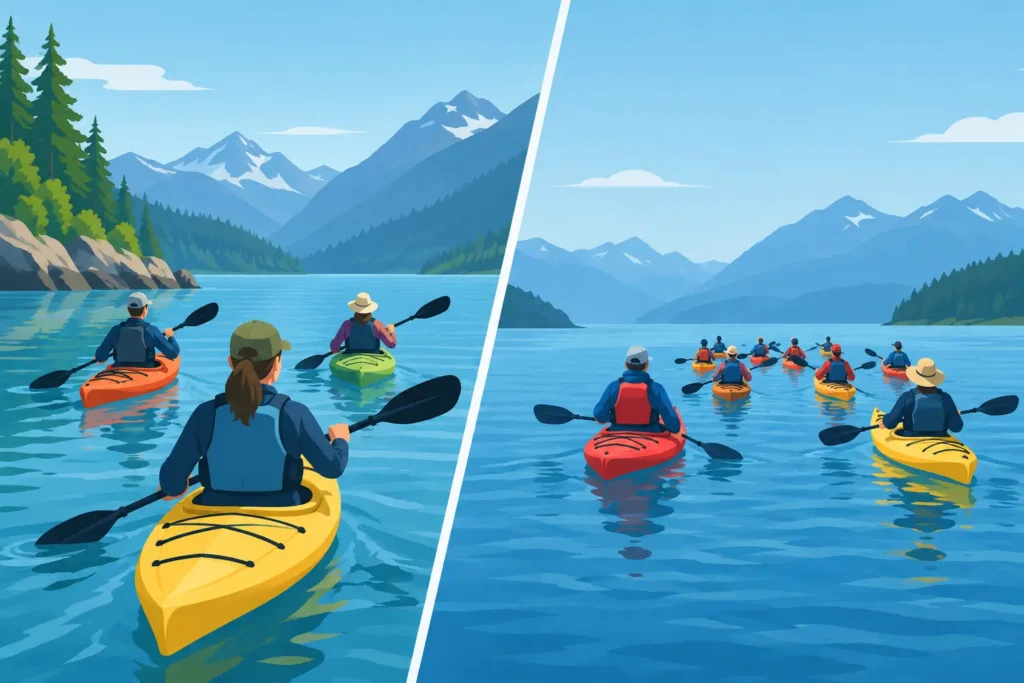
A scarlet macaw crosses the bay. A guide points toward a surfacing dolphin. On a sea kayak expedition, these moments do not wait for 30 people to get organized. That is where the choice between small group versus large tours becomes more than a booking detail. It shapes how you paddle, what you notice, and how deeply you experience a wild coast.
For travelers considering a multi-day kayaking trip in Costa Rica or Panama, group size affects safety, pace, comfort, and access to places where the rainforest meets the sea. Neither format is automatically right for every traveler. But for an expedition built around active exploration, wildlife, and remote shorelines, the difference is substantial.
Small Group Versus Large Tours: The Real Difference
A large tour can work well for high-volume sightseeing, short transfers, and destinations designed around major attractions. The group moves on a fixed schedule, and the social energy can be high. For some travelers, that built-in buzz is part of the appeal.
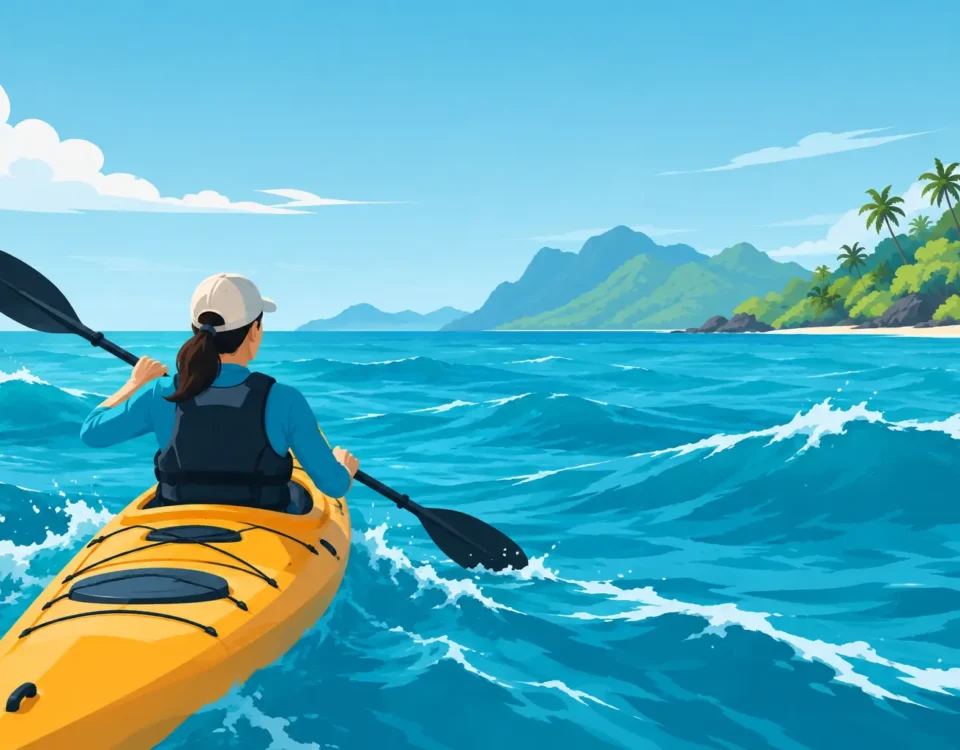
A sea kayaking expedition operates differently. You are traveling under your own power, reading wind and water conditions, landing on beaches with limited space, and moving through habitat where quiet observation matters. A smaller group allows the experience to stay responsive rather than rigid.
On a small-group trip, guides can see how each paddler is doing, adjust the route or timing when conditions call for it, and provide coaching before small issues become frustrating ones. There is more room for individual questions: How should I rotate my torso? Where is the best place to look for monkeys? What is the weather pattern doing this afternoon?
That attention is especially valuable for travelers who are active but not expert sea kayakers. You do not need to arrive as an elite paddler to take on a well-run tropical expedition. You do need clear instruction, capable leadership, and a group size that lets the guides actually support you on the water.
Why Smaller Groups Work Better on the Water
Safety is personal, not generic
In a large group, the lead guide has to manage the overall flow while another guide brings up the rear. That structure may be appropriate in some settings, but it leaves less room for direct, individual support. Paddlers can spread out. Communication takes longer. A stop for water, sunscreen, or a quick gear adjustment can become a production.
With fewer boats, guides can keep the group compact and communicate clearly. They can monitor paddling form, fatigue, hydration, and comfort throughout the day. They can also make thoughtful decisions about route choices, launch timing, and shore breaks based on the people in front of them, not simply a preset timetable.
Costa Rica and Panama offer spectacular tropical paddling, but they are not amusement parks. Tides, wind, afternoon rain, boat traffic, and heat all deserve respect. Professional guides, good equipment, and well-managed group numbers create a safer margin for enjoying the adventure.
Wildlife encounters feel less disrupted
Wildlife does not perform on command. A troop of capuchins may appear along a mangrove edge for five minutes. A sea turtle may surface once and vanish. A great curassow might be standing quietly in the understory near an ecolodge trail.
Small groups can pause without turning every sighting into a crowd scene. There is less paddle noise, fewer overlapping conversations, and more opportunity for your guide to interpret what you are seeing. Instead of straining to hear a quick announcement from the back of a crowd, you can watch, listen, and let the moment unfold.
This matters on routes such as Tortuguero, where waterways and rainforest create constant opportunities for close observation. It also matters in the Golfo Dulce, where glassy mornings, coastal forest, and rich marine life reward travelers who move with patience.
The daily pace can be more human
Large groups often travel at the pace of logistics. More people mean more loading, unloading, meal coordination, room assignments, gear checks, and restroom stops. None of that is glamorous, but it can consume a surprising amount of a day.
Small groups still require organization, particularly on a multi-day expedition. The difference is that good logistics feel purposeful rather than cumbersome. A guide can spend less time assembling people and more time helping you get comfortable in your kayak, pointing out a distant frigatebird, or explaining the local landscape over a beach lunch.
A smaller format also makes it easier to accommodate natural variation in the group. One day may call for an early start to catch calm water. Another may invite a longer snorkeling stop or a relaxed afternoon at the lodge. The itinerary remains carefully planned, but it has room to breathe.
What Large Tours Can Do Well
Large tours are not inherently impersonal or poorly run. They can offer social travelers an easy way to meet many people, and they may have a lower upfront price. They are often a practical choice for city tours, big-ticket attractions, or short excursions where everyone follows the same path.
If your priority is maximum social activity, a large group can be fun. You may enjoy a lively dinner table, a packed boat ride, and the energy of moving with a crowd. Travelers who prefer a highly structured day with few decisions may also appreciate the predictability.
The trade-off is that a large group usually offers less flexibility. It can be harder to hear the guide, harder to ask for help, and harder to linger when a place feels special. On an active kayaking trip, it may also mean more waiting – at launches, landings, meals, and transitions.
Price deserves an honest look, too. A lower advertised rate does not always mean better value. Compare what is included: experienced guides, quality kayaks and safety gear, accommodations, meals, ground transportation, permits, local support, and the level of attention provided throughout the trip. Remote travel requires planning behind the scenes. The strongest expeditions make that planning visible in the quality of the experience, not in avoidable hassles.
How to Choose the Right Group Size for Your Trip
Start with the experience you want to remember. If your ideal vacation involves checking off famous sights with a big social crowd, a large tour may fit. If you picture paddling into a quiet cove, hearing the rainforest wake up from your tent or lodge, and getting real guidance from a leader who knows the coastline, choose a small group.
Consider your confidence level honestly. First-time sea kayakers and experienced paddlers alike benefit from personal coaching. Beginners gain reassurance and stronger technique. More experienced travelers gain a trip that can move efficiently, cover meaningful ground, and focus on the destination rather than crowd management.
Also consider the people traveling with you. Couples often appreciate the balance of shared adventure and personal space that small groups provide. Solo travelers can connect naturally without feeling lost in a crowd. Friends and families who value active days and easy logistics tend to find that smaller expeditions offer more time together and less time waiting around.
For a premium multi-day trip, group size should match the terrain. A remote beach camp, a jungle-lined waterway, or an island community is not improved by arriving in a crowd. Smaller groups reduce pressure on limited facilities and help create more respectful encounters with local people and fragile environments.
A Better Fit for Expedition Travel
The strongest guided adventures are not measured by how many people fit into the itinerary. They are measured by how confidently guests can step outside their routine and into a place that feels genuinely wild.
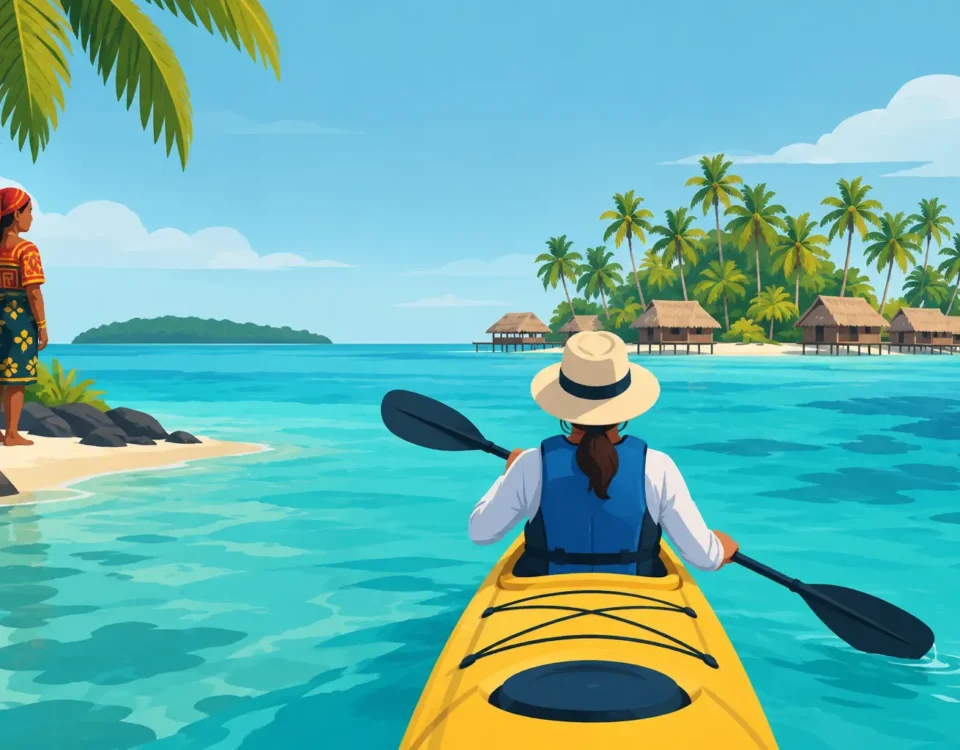
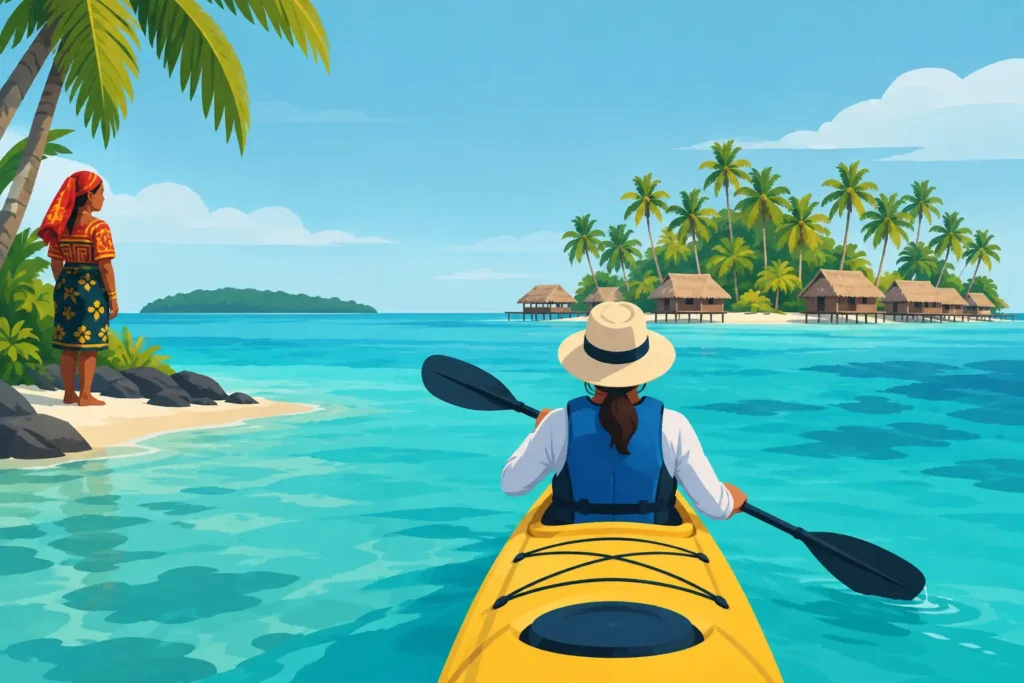
At Sea Kayaking Costa Rica, that means pairing intimate group sizes with experienced guides, reliable safety systems, and trips designed around the rhythm of the coast. A lodge-to-lodge route through Golfo Dulce, a wildlife-focused journey in Tortuguero, or a cultural and island expedition in San Blas demands attention to both the big picture and the small details.
You may remember the tropical sunset, the howler monkeys, or the first time your kayak glides over clear water. Just as often, you will remember that there was time to take it in. Choose the group size that leaves room for those moments.