Costa Rica Adventure Operator Reviews That Matter
November 6, 2026
Small Group Versus Large Tours for Kayakers
November 10, 2026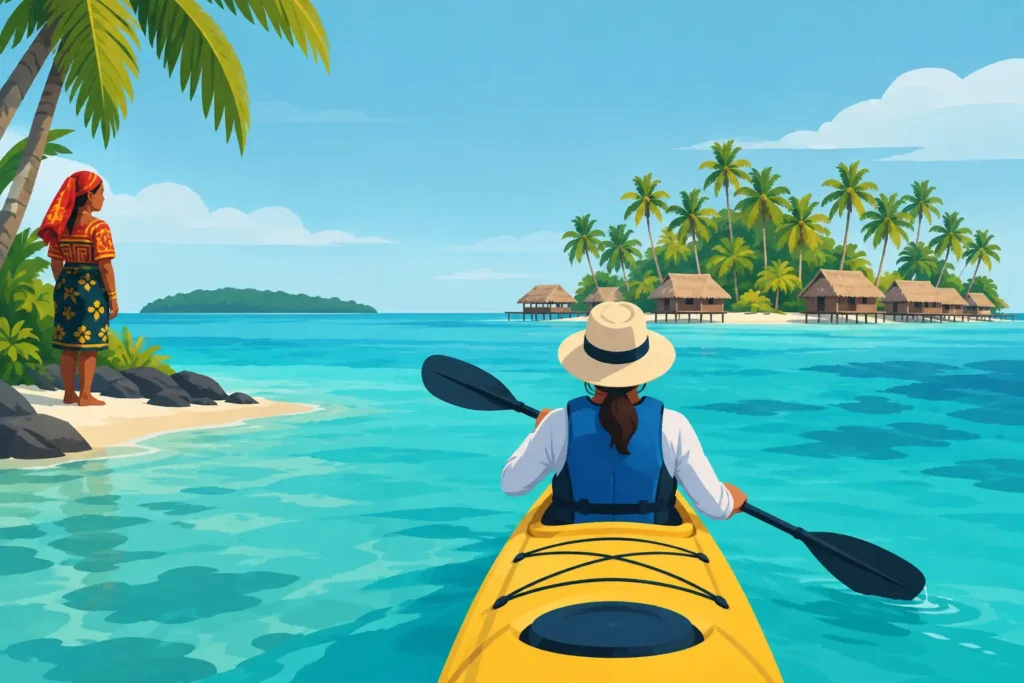
A Panama cultural itinerary earns its place when culture is not treated as a stop between beaches. In the San Blas Islands, the route is shaped by the people who live there: the Guna communities, their rules for visiting, the pace of island life, and the remarkable Caribbean waters that connect it all. For active travelers, sea kayaking is one of the most rewarding ways to experience this region – quietly, under your own power, and with time to notice what a rushed day trip misses.
This is not a destination for checking off attractions. It is a place to paddle turquoise channels, camp or stay near small island communities, snorkel over healthy reefs, and learn why Guna Yala remains one of the most distinctive Indigenous territories in the Americas. The best trips pair that sense of expedition with experienced guides, thoughtful logistics, and a clear commitment to traveling respectfully.
What Makes Guna Yala Different
Guna Yala, often called San Blas, is an autonomous Indigenous region along Panama’s Caribbean coast. Hundreds of low-lying islands lie offshore, but only a portion are inhabited. The Guna people maintain meaningful authority over their territory, including visitor access, community rules, and the use of local resources.
That autonomy changes the way travelers should approach the region. You are not arriving at a resort-built Caribbean playground. You are a guest in a living homeland with its own language, political structure, traditions, and daily rhythms. A well-designed itinerary makes room for that reality rather than racing through it.
It also means logistics can be more complex than in Panama City or a conventional beach destination. Permits, boat transfers, weather, local schedules, and island availability all matter. This is exactly where a small, professionally guided expedition has real value. The route feels remote because it is remote, but the planning behind it should be precise.
Build a Panama Cultural Itinerary Around Time on the Water
San Blas is best experienced at expedition pace. A seven- or eight-day trip gives you enough time to settle into the landscape, develop confidence in your kayak, and build cultural encounters into the journey without forcing them.
Start with a deliberate arrival
Most San Blas adventures begin with travel from Panama City to the Caribbean coast, followed by a boat transfer to the islands. The overland approach can be long, and conditions vary, so do not plan a tight international connection on the same day. Arriving in Panama City a day early gives you breathing room and lets the expedition begin without airport stress.
Once on the water, expect a necessary shift in pace. There may be no polished marina, no fixed restaurant schedule, and no reason to keep checking the clock. Your guides should cover kayak fit, paddling technique, hydration, sun protection, communication procedures, and the route ahead before the first real crossing.
Paddle between islands, not past them
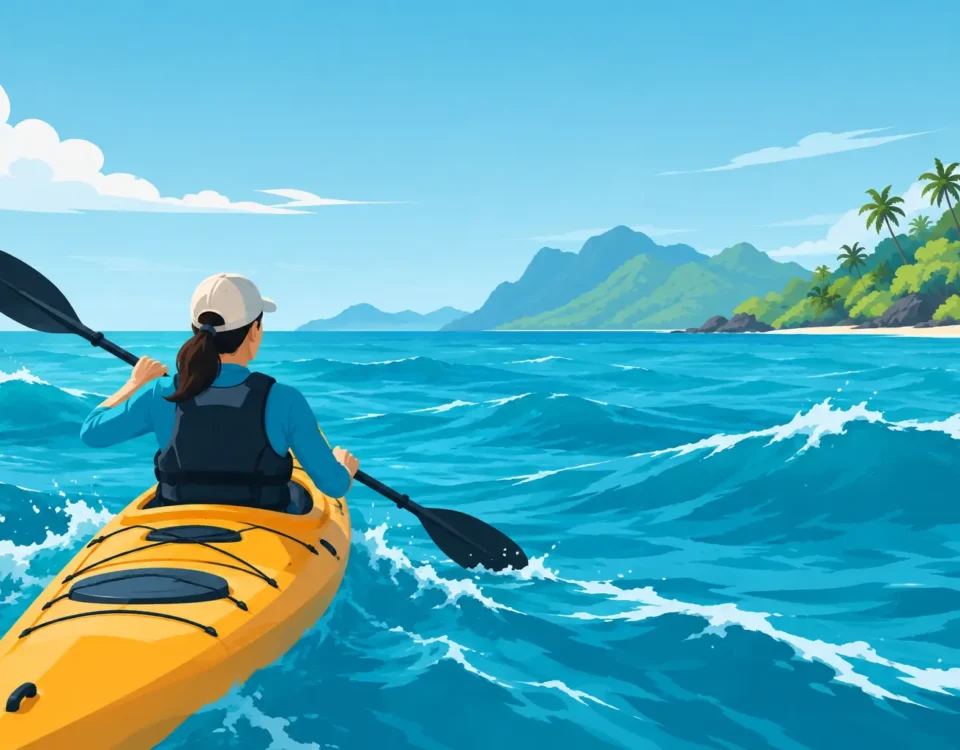
Sea kayaking creates a closer relationship with the archipelago than speedboat travel. You can follow shallow reef edges, cross protected passages, watch frigatebirds and pelicans work the wind, and pull ashore where larger vessels cannot easily land. The daily distance should suit the group, weather, and sea state rather than a rigid mileage target.
For many active travelers, this is the sweet spot: enough physical effort to feel earned, without turning every day into a race. Conditions can range from glassy water to headwinds and chop, particularly on exposed crossings. Strong guides read those changes early, adjust the route when needed, and keep the group together with clear on-water systems.
A good itinerary also leaves room for unhurried snorkeling. San Blas is known for its clear water and coral-fringed islands, but reef health can vary by location and season. Your guide can choose sites based on current conditions and help minimize impact through careful fin use, reef-safe practices, and no-touch wildlife observation.
Make cultural visits reciprocal and respectful
A visit to a Guna community is not a performance arranged for outsiders. It is an opportunity to meet people, understand a little more about island life, and support locally directed enterprise when appropriate. The most meaningful encounters are often simple: walking through a village with a local host, seeing daily work unfold, sharing conversation, or learning about the artistry behind molas.
Molas are intricate textile panels traditionally made by Guna women, recognized for their layered appliqué designs, bold color, and extraordinary detail. If you purchase one, buy directly from an artisan or through a community-approved source when possible. Treat it as art and skilled work, not a bargain-bin souvenir.
Photography deserves special care. Always ask before photographing people, homes, ceremonies, or daily activities. Some communities have clear rules and fees; others may prefer that certain spaces not be photographed at all. Your guide should explain expectations before landing, but the standard is straightforward: permission first, gratitude always.
A Strong 8-Day Rhythm for San Blas
A flexible eight-day structure allows a true blend of paddling, nature, and cultural context. Exact camps and islands should remain adaptable to weather and community access, but the rhythm matters.
The first day is for arrival, orientation, and a short paddle that lets everyone settle into the kayaks. The following days can build into island-to-island travel, combining moderate paddling with long snorkel stops, beach walks, and time to rest in the shade. A community visit fits naturally in the middle of the expedition, once travelers have adjusted to the slower cadence of the islands.
Later in the week, the group can reach more remote cays, where the night sky and early-morning water become part of the experience. This is when the expedition feels most removed from ordinary travel: kayaks drawn above the tide line, a shared dinner after a full day outside, and the sound of water against the reef after dark.
The final paddle should remain manageable, leaving a weather buffer for the return transfer. In a remote coastal environment, smart planning never assumes every crossing will happen exactly on schedule. Flexibility is not a compromise. It is part of safe, responsible travel.
What to Expect From a Guided Expedition
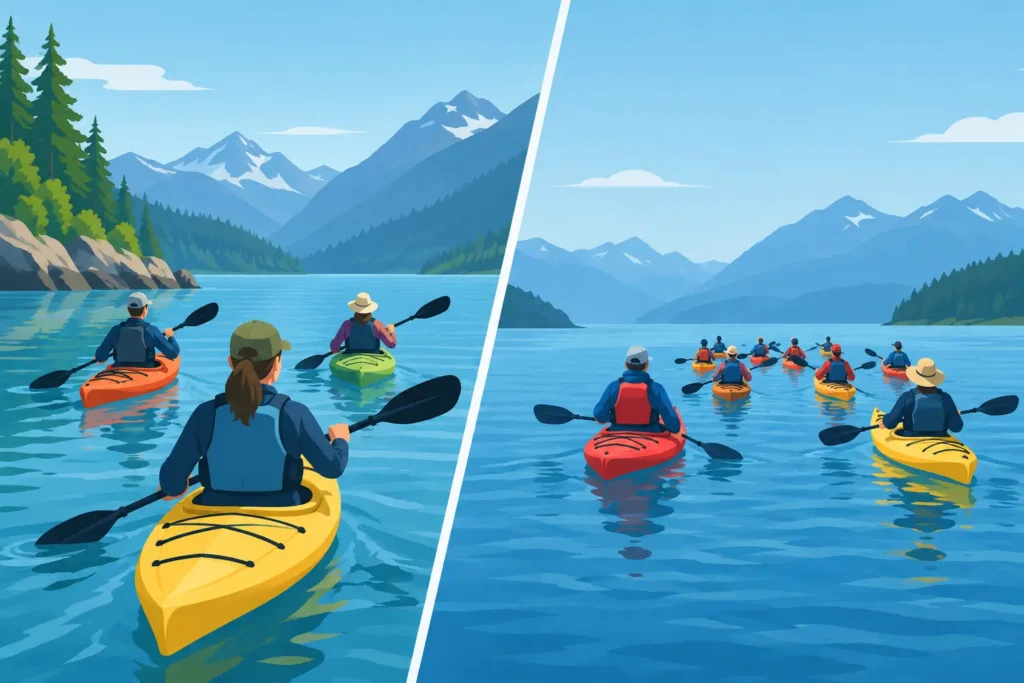
A premium guided trip should make remote travel feel supported, not overproduced. Expect quality sea kayaks and safety equipment, guides who know the regional conditions, reliable food and water systems, dry storage for personal gear, and a clear emergency plan. Small groups matter here. They are easier to manage on the water, lighter on small campsites, and better suited to genuine conversations in local communities.
You do not need to be an elite paddler, but you should arrive ready to be active. Previous kayaking experience is helpful, not always essential. Comfort in the water, a positive attitude toward changing conditions, and the ability to paddle for several hours with breaks are more important than technical perfection. Guides can teach efficient strokes and support newer paddlers, while stronger guests can focus on refining their skills and enjoying the route.
The trade-off is real: this is not a luxury hotel vacation with an ocean view. Accommodations may include simple camps, island stays, or ecolodge-style lodging depending on the itinerary. Heat, sun, sand, and occasional rain are part of the package. In return, you gain access to places day visitors rarely experience and the satisfaction of traveling through them with purpose.
Pack for the Culture and the Conditions
Lightweight, quick-drying clothing is essential, along with a sun shirt, broad-brimmed hat, polarized sunglasses with a retainer, reef-safe sunscreen, and sturdy sandals that can get wet. Bring a dry bag for personal essentials, even if expedition dry storage is provided. A small headlamp, reusable water bottle, and simple first-aid items are equally useful.
For community visits, pack a modest layer that covers shoulders and legs when appropriate. Beachwear belongs on the beach, not automatically in villages. Avoid bringing drones unless you have confirmed they are allowed – in many places, they are disruptive, unwelcome, or subject to restrictions.
Most importantly, bring curiosity without entitlement. Island communities are not obligated to adapt their lives around a visitor’s preferred schedule, menu, or photo opportunity. Travelers who embrace that fact tend to come home with the richer experience.
Choose the Right Season and Mindset
San Blas can be visited year-round, but wind, rainfall, and sea conditions shape the experience. Drier months may bring more reliable sunshine but can also bring stronger trade winds. Wetter periods can mean greener conditions, passing showers, and calmer windows between systems. The right season depends on your tolerance for heat, rain, and variable paddling conditions, not just a forecast icon.
Sea Kayaking Costa Rica’s Panama expeditions are built for travelers who want more than a beach escape. They are for people who would rather paddle to a camp than ride to a resort, who value local knowledge over generic sightseeing, and who understand that the best cultural travel begins with respect.
Give San Blas enough time, travel with guides who know both the water and the communities, and let the islands set the pace. That is where a Panama journey becomes something you carry well beyond the return flight.