Do Guides Carry Emergency Radios at Sea?
September 7, 2026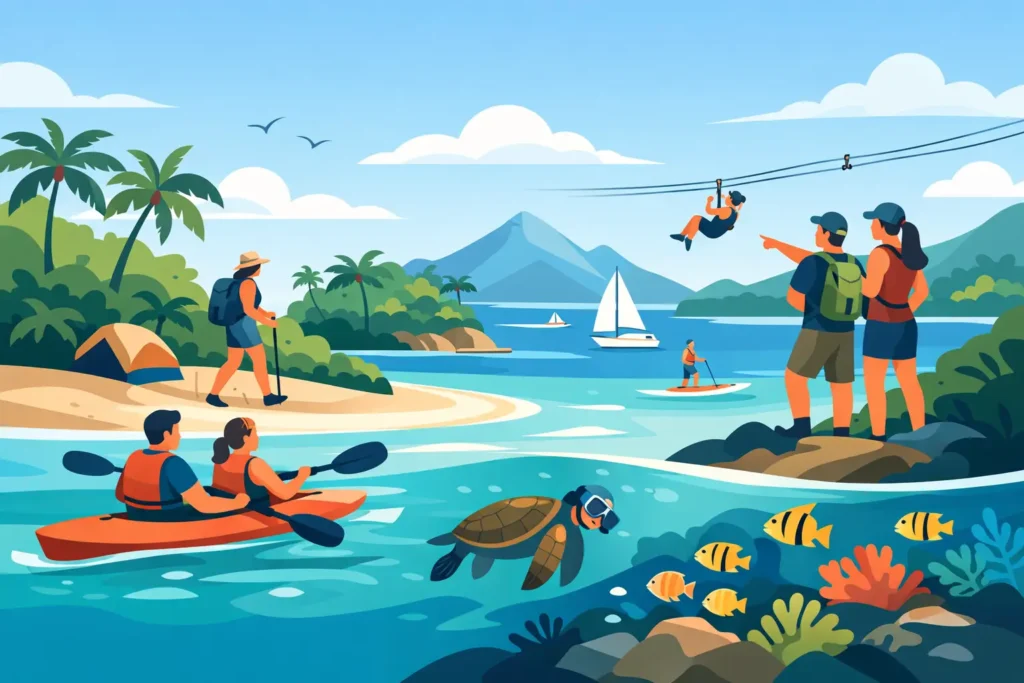
A palm-fringed beach is only the beginning. The best top Panama island experiences put you on the water early, moving between uninhabited cays, snorkeling clear reefs, sharing time with local communities, and sleeping close enough to hear the tide shift overnight. For active travelers, Panama’s islands are not a resort backdrop. They are an expedition landscape.
Panama offers very different island worlds on its Caribbean and Pacific coasts. The right choice depends on what you want from the trip: living Indigenous culture, remote paddling, world-class marine life, comfortable lodges, or a true camp-on-the-beach escape. Here is how to choose an island experience that feels wild, meaningful, and well organized.
Top Panama Island Experiences on Two Coasts
The Caribbean and Pacific sides of Panama deliver different conditions, scenery, and travel rhythms. Neither is automatically better. Your ideal trip comes down to the kind of days you want to have.
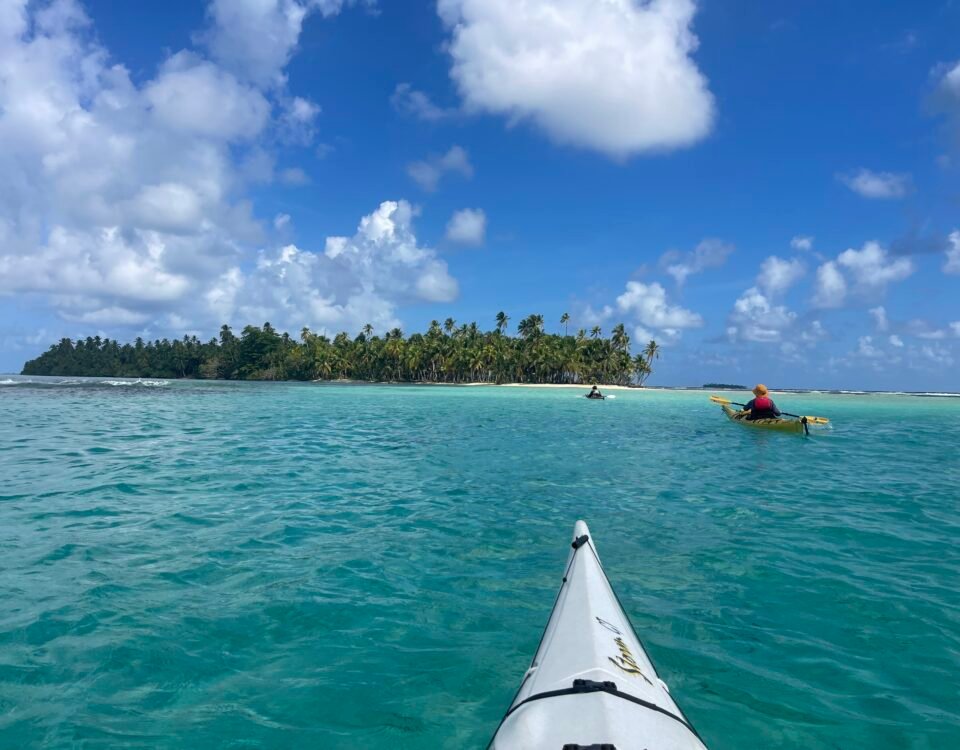
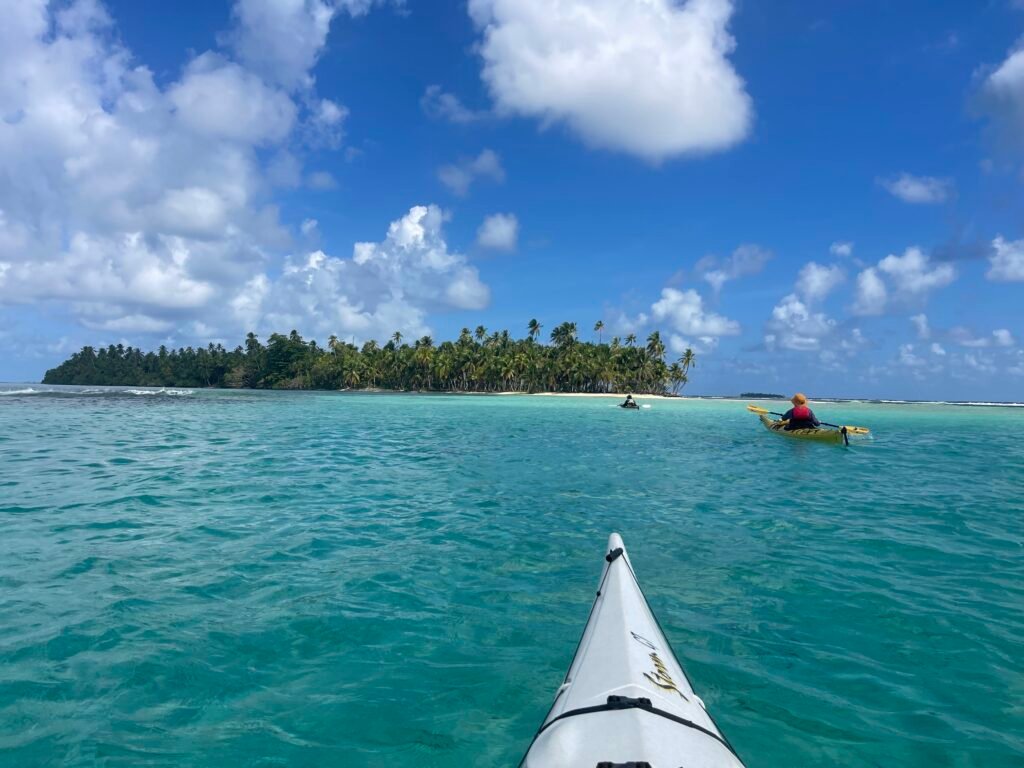
On the Caribbean coast, Guna Yala, often called the San Blas Islands, is the standout for sea kayaking and cultural immersion. Hundreds of small islands scatter across turquoise water, many with white-sand beaches and coconut palms. The paddling routes can be beautifully protected, especially among the outer cays, and the area has a strong sense of place because it is governed by the Guna people.
The Pacific coast feels bigger, more exposed, and more wildlife-driven. The Pearl Islands combine quiet beaches with a sense of offshore adventure. Farther west, Coiba National Park is a serious marine wilderness, known for rich underwater life and a remote, open-ocean feel. Bocas del Toro, on the Caribbean near Costa Rica, is more developed and social, with surf breaks, restaurants, lodges, and easy access to mangroves and reefs.
For travelers who want a small-group expedition rather than island-hopping by water taxi, San Blas is often the strongest fit. It combines manageable paddling distances, consistently beautiful campsites, snorkeling opportunities, and cultural encounters that are part of daily life rather than an added attraction.
Kayak Between San Blas Cays
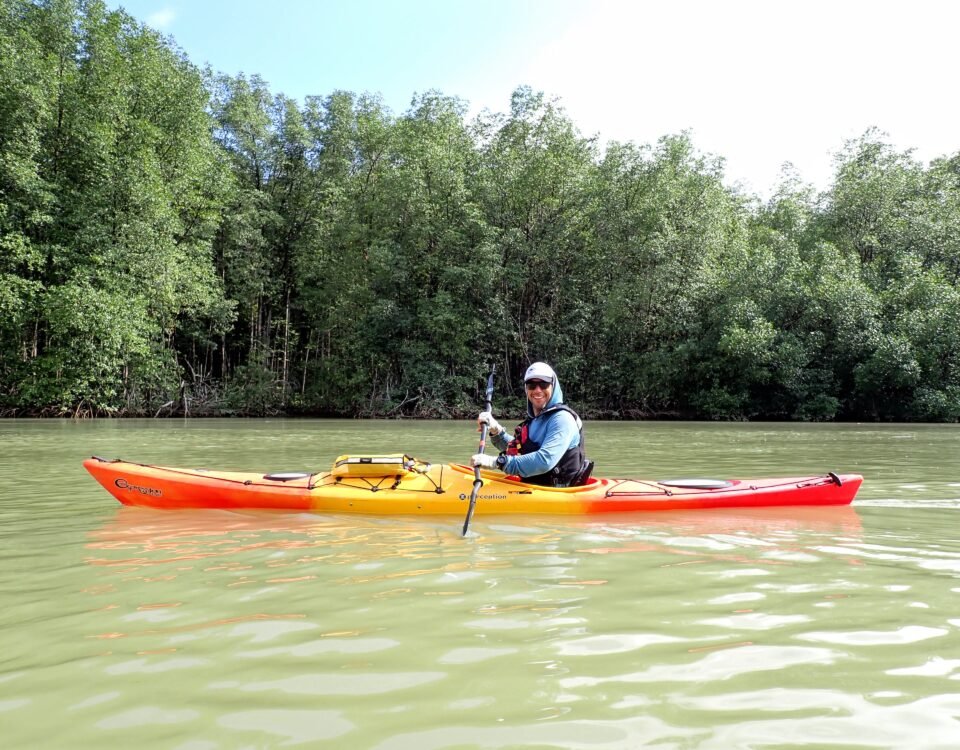
Sea kayaking is one of the most direct ways to understand the scale of San Blas. From the cockpit, each island becomes a destination earned by your own effort: a low strip of sand on the horizon, a reef line changing the water color, a cluster of palms marking the next camp.
A guided multi-day route allows you to travel beyond the islands most day visitors see. You can paddle in the cooler morning hours, stop to snorkel over coral gardens, eat lunch in the shade, and reach camp with time for a swim before sunset. The pace is active but not frantic. A well-designed itinerary builds in weather flexibility, rest, and support for different ability levels.
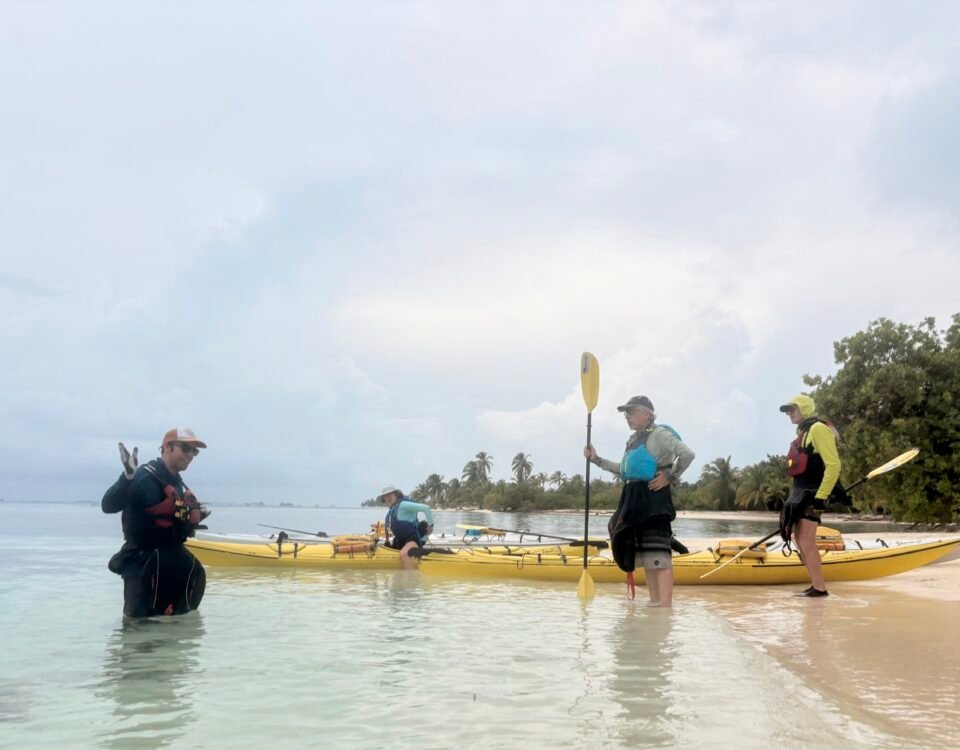
This is not the place to treat a kayak as a rental toy. Currents, wind, boat traffic, heat, and changing sea state all matter. Professional guides bring local route knowledge, communication systems, first-aid training, and the judgment to adjust the day when conditions call for it. That planning protects the adventure rather than diminishing it.
Spend Time in Guna Communities
Guna Yala is not an empty archipelago. It is an autonomous Indigenous territory with its own customs, governance, language, and relationship to the sea. Respectful visits to island communities can be one of the most memorable parts of a Panama expedition.
You may see hand-sewn molas, the intricate textile panels for which Guna artisans are known, alongside everyday scenes of fishing boats, family homes, children playing, and food being prepared. The value is not in treating culture as a spectacle. It comes from traveling with guides and local hosts who understand the protocols, obtain permission, and help guests participate thoughtfully.
Bring curiosity, modest clothing for community visits, and a willingness to follow local direction. Ask before photographing people. Buy crafts directly when appropriate. Small decisions like these help ensure that tourism supports communities instead of simply passing through them.
Choose Your Panama Island Adventure Style
Camp on Remote Beaches
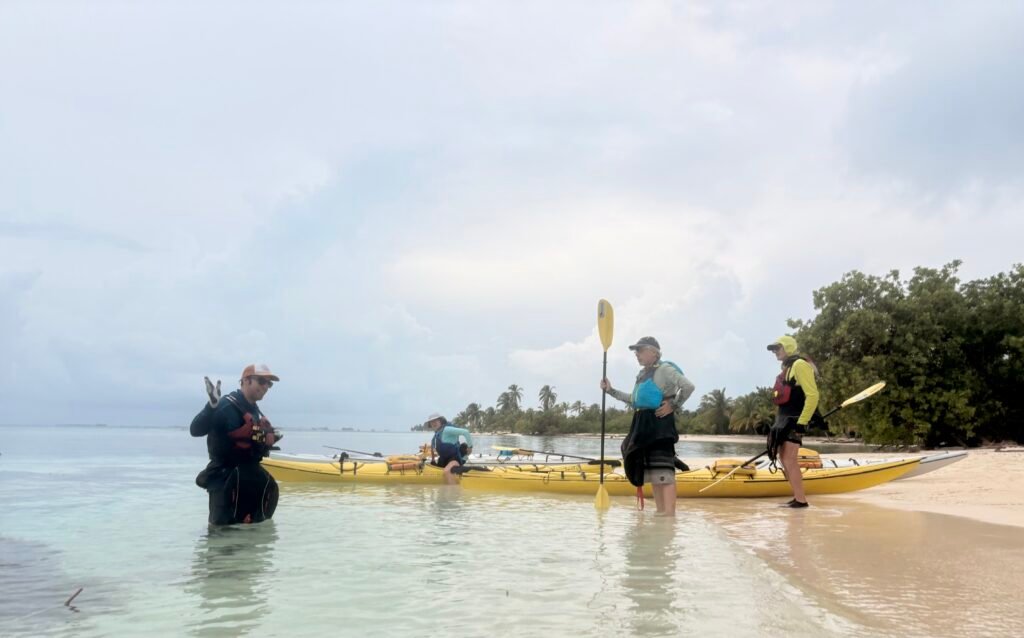
A beach camp changes the character of an island trip. Instead of returning to the same hotel each afternoon, you wake on a different shoreline, with the day’s route visible from your tent or hammock. Nights are quiet, skies are dark, and the routine becomes wonderfully simple: paddle, swim, eat well, watch the light change, sleep.
Camping does require flexibility. Facilities are limited, sand gets into everything, and tropical weather has its own agenda. But with quality expedition gear, fresh meals, dry storage, and a competent guide team, the experience is comfortable in the ways that count. It is a strong choice for travelers who value access over luxury amenities.
Snorkel Reefs Between Paddle Legs
You do not need scuba certification to encounter Panama’s marine life. Snorkeling from the kayak or from a beach can reveal schools of reef fish, rays, sea stars, and healthy coral formations, depending on location and conditions. In San Blas, the ability to pull ashore at a reef-fringed cay and slip into clear water is part of the appeal.
Visibility is never guaranteed. Wind, rain, and seasonal conditions can change what you see from one day to the next. A good guide does not promise a particular animal encounter. They know the protected spots, time the stops well, and make the most of the conditions available.
Seek Big Pacific Wildlife
If wildlife is your primary goal, put Coiba and the wider Pacific islands on your list. This region can offer dramatic encounters with dolphins, turtles, seabirds, and seasonal whale activity, while the waters around Coiba are especially renowned for marine diversity.
The trade-off is that Pacific travel can involve longer boat transfers, more open-water exposure, and a less relaxed island-to-island paddling format than San Blas. It rewards travelers looking for a more rugged marine expedition and those comfortable with a schedule shaped by sea conditions.
Add Bocas del Toro for a Softer Landing
Bocas del Toro suits travelers who want island scenery with more infrastructure. You can combine paddle outings through mangrove channels with beach time, casual meals in town, surfing, and lodge-based comfort. It is easier to arrange independently than a remote expedition, but it is also busier in popular areas.
Choose Bocas when you want activity without committing to a full camping journey. Choose San Blas when the goal is to feel farther from roads, schedules, and crowds.
When to Go and What to Expect
Panama is tropical year-round, but seasonality matters. The Caribbean side can receive rain in any month, while many travelers favor the generally drier stretch from roughly December through April for more predictable travel. That said, the Caribbean does not follow the same weather pattern as Panama’s Pacific coast, and local conditions can vary significantly.
For a paddling trip, daily weather matters more than broad averages. Morning departures often take advantage of calmer water. Midday heat requires sun protection, hydration, and a steady pace. Afternoon squalls may mean changing the route, lingering over lunch, or reaching camp earlier. This is exactly why guided logistics matter in a remote island environment.
Fitness expectations should be honest but encouraging. You do not need to be an elite paddler to enjoy a guided Panama kayaking trip. You should be comfortable being active for several hours, able to get in and out of a kayak with assistance if needed, and prepared for sun, saltwater, and a few physical challenges. Previous kayaking experience helps, but expert instruction and stable expedition boats can make the trip accessible to fit beginners.
Pack light, but pack deliberately. Quick-dry clothing, a sun shirt, secure sandals, a hat, reef-safe sun protection, and a dry bag system are more useful than extra outfits. Leave rigid expectations behind. A pod of dolphins may appear beside the boats, or the day’s best moment may be a quiet conversation on a Guna island after dinner.
Why Guided Travel Makes the Difference
Remote islands look simple on a map. Getting there well is another matter. Transfers, permits, community coordination, food planning, fresh water, weather calls, emergency procedures, and equipment all need to work behind the scenes so guests can focus on the experience.
For an 8-day San Blas expedition, Sea Kayaking Costa Rica brings the kind of small-group leadership that matters in the field: experienced guides, carefully planned routes, reliable gear, and a pace that leaves room for both challenge and connection. The goal is not to race through a checklist of islands. It is to travel through them with confidence and respect.
The strongest island trips leave you with more than photos of blue water. Choose a route that lets you paddle under your own power, listen closely to the people who call the islands home, and stay long enough for the coast to set its own rhythm.