Kayak Vacations Beyond the Beach Resorts
August 19, 2026
Do Expeditions Include Airport Transfers?
August 22, 2026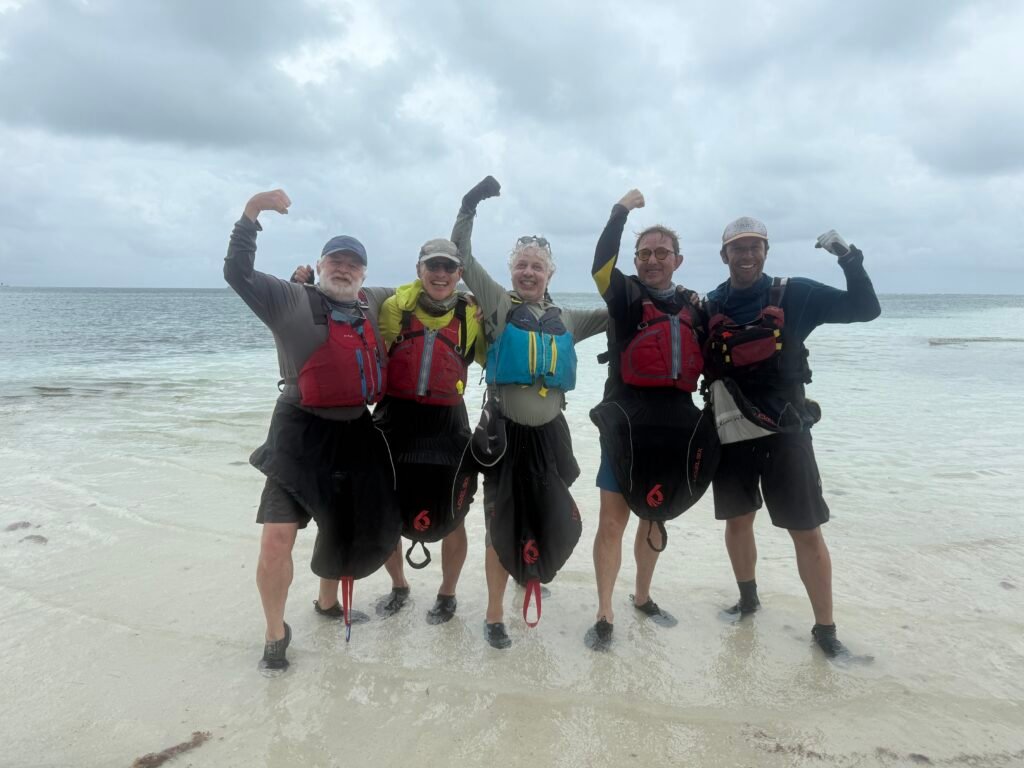
The first sign that sea kayaking is different comes when the road disappears. A motorboat can rush past a mangrove shoreline. A resort can put you near the water. But from a kayak, you move at the pace of the coast itself: scanning for a monkey in the canopy, watching a heron lift from the shallows, and pulling onto a beach that has no parking lot, no crowd, and no soundtrack beyond the surf.
For active travelers, that access is the point. A well-run tropical paddling expedition is not simply a workout with scenic views. It is a way to reach wild places while staying close enough to notice the details that faster travel misses.
Why Sea Kayaking Belongs in a Tropical Adventure
Costa Rica and Panama offer a rare combination of protected water, rainforest-backed shorelines, warm conditions, and astonishing biodiversity. On the right route, a single day can hold calm morning paddling, a snorkeling stop over coral, lunch on a remote beach, and wildlife viewing from the deck of an ecolodge.
That variety is what makes a multi-day trip so rewarding. You are not returning to the same hotel after a brief excursion. You are traveling through the landscape, with each day revealing a new stretch of coastline, island, river mouth, or rainforest channel. The kayak becomes your most direct connection to the destination.
It also offers a more intentional kind of adventure. Paddling requires participation, but it does not demand that you be an elite athlete. On a guided expedition, the route, pace, rest stops, equipment, and daily plan are designed around the group and the conditions. Travelers can focus on the experience rather than spending their vacation solving logistics in an unfamiliar country.
What You See From the Water
Wildlife is never guaranteed, and any operator that promises a specific animal on a specific day is overselling the natural world. Still, a quiet kayak is one of the finest platforms for observing coastal ecosystems without barging through them.
In Costa Rica’s Golfo Dulce, rainforest meets one of the world’s few tropical fjord-like gulfs. The protected waters create an exceptional setting for paddling, while forested shores provide habitat for monkeys, macaws, toucans, and other birdlife. Dolphins are sometimes seen offshore, and the changing light on the surrounding mountains gives even a simple crossing real drama.
Tortuguero delivers a different kind of expedition. Here, the route is shaped by wildlife-rich waterways and a landscape that feels far removed from the country’s busier travel corridors. Paddling through narrow channels places you close to birds, caimans, monkeys, and dense lowland rainforest. It is less about covering open distance and more about reading the water, listening, and slowing down.
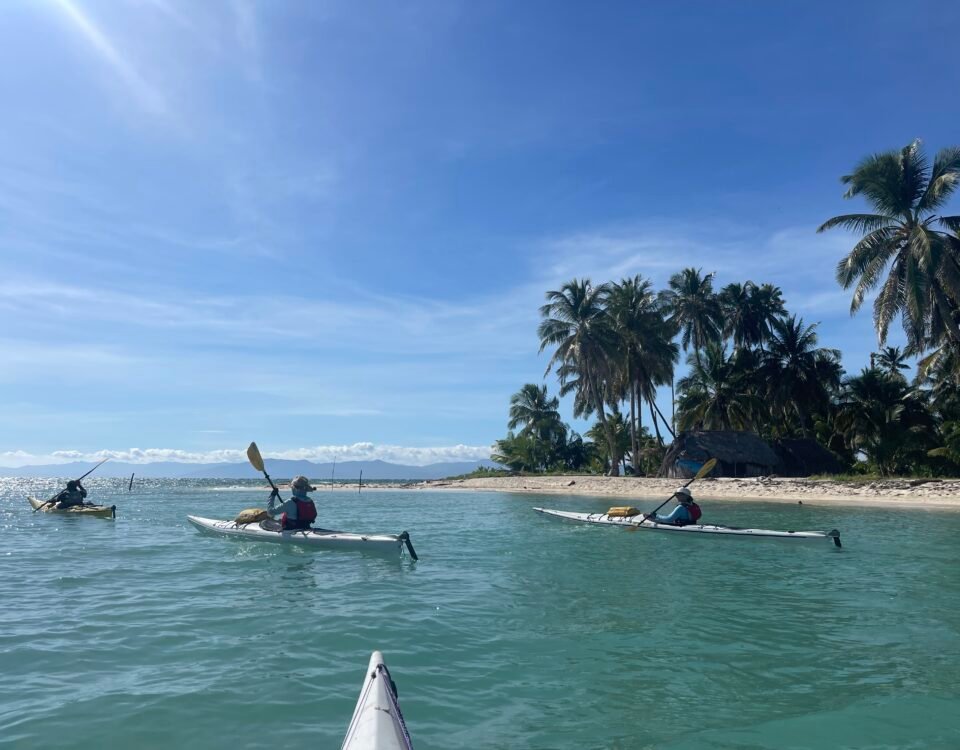
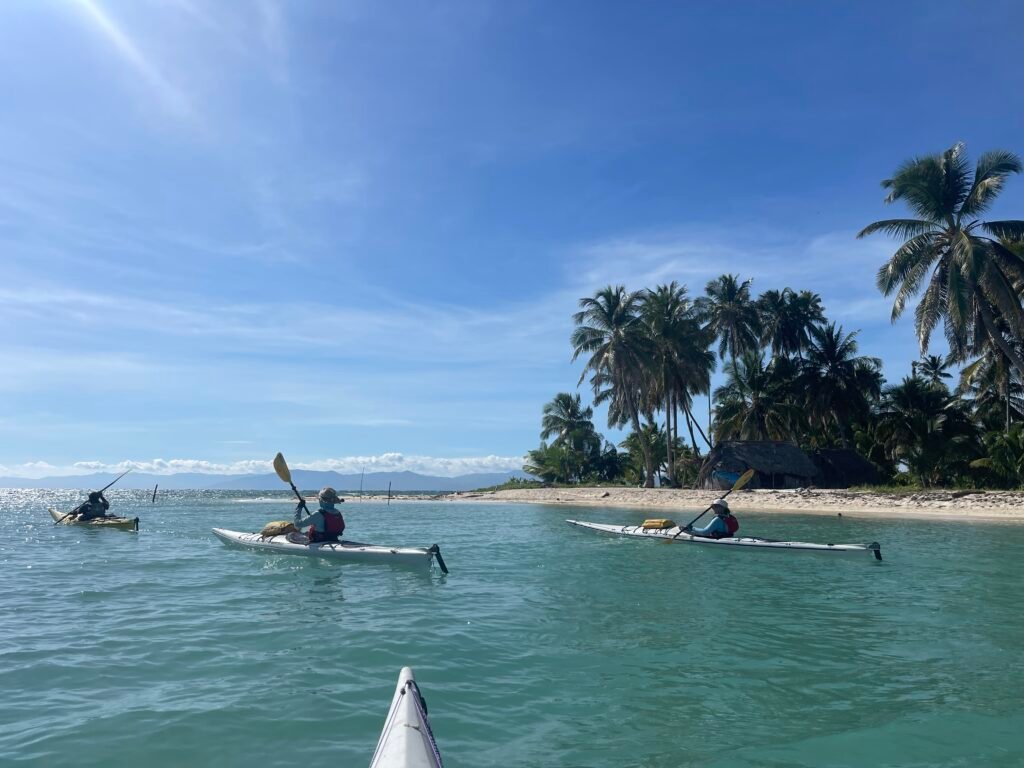
In Panama’s San Blas Islands, the visual world shifts again. Low islands, clear Caribbean water, reefs, and palm-lined beaches create a classic tropical setting, but the experience runs deeper than scenery. A thoughtfully planned route can include time with Guna communities, adding cultural perspective to the days spent paddling and snorkeling.
The Difference Between a Day Tour and an Expedition
A short sea kayaking outing can be a great introduction. It lets you test a boat, learn basic strokes, and spend a few hours on the water. But a multi-day expedition changes the scale of the experience.
With several days, there is room for weather adjustments, longer routes, unhurried wildlife encounters, and the satisfying rhythm of traveling under your own power. You wake up where you ended the previous day, eat well, paddle with purpose, and arrive somewhere new. That rhythm is especially powerful in places where overland travel is slow, limited, or simply less interesting than the coast.
Accommodations shape the expedition, too. Lodge-to-lodge itineraries offer a welcome level of comfort after a full day outside, with beds, showers, and meals waiting at the end of the route. Camping brings a closer connection to remote beaches and night skies. Neither is automatically better. It depends on whether your ideal trip leans toward rugged immersion or active days paired with comfortable recovery.
Is Sea Kayaking Right for You?
Many first-time guests assume they need extensive kayaking experience before joining a tropical expedition. Often, that is not the case. A sound itinerary is built for capable, active travelers, not just veteran paddlers. Good guides teach efficient technique, help participants get properly fitted in their boats, and manage the group so everyone can settle into a sustainable rhythm.
That said, comfort outdoors matters. You should be prepared to spend several hours on the water, get wet, sit in a kayak for extended periods, and embrace changing weather. The tropics can offer bright sun, sudden rain, humidity, wind, and occasional choppy water – sometimes on the same day.
The real question is not whether you have a perfect paddling resume. It is whether you enjoy active travel and are willing to be part of the journey. If you prefer a vacation built entirely around pool time, room service, and fixed schedules, this may not be your trip. If you want to earn the view, sleep well after an active day, and return with stories that do not sound like everyone else’s, it is a strong fit.
Safety Is Part of the Adventure
Remote coastlines are exactly what make these trips memorable, but remoteness also raises the standard for planning. The best sea kayaking experiences are never casual about safety. They are carefully designed around local conditions, group ability, route options, communication, and emergency planning.
Professional guides do more than point out wildlife. They watch weather patterns, assess sea state, adjust the day when needed, teach paddling skills, and create a calm, capable group dynamic. They also understand the destination beyond the map: where wind commonly rises in the afternoon, which beaches offer reliable landings, how tides influence a channel, and when a route needs a different plan.
Quality equipment matters for the same reason. Proper sea kayaks, well-fitted personal flotation devices, dry storage, sun protection strategies, and reliable support systems allow travelers to focus on the coast rather than worry about avoidable discomfort. A premium guided trip should feel adventurous, not improvised.
How to Prepare for a Multi-Day Paddle
The most useful preparation begins before you travel. Build general endurance through walking, cycling, swimming, or regular cardio work. Add some core and upper-body conditioning, but do not assume strength alone determines paddling comfort. Efficient technique, good posture, and a relaxed grip go a long way.
If you can take a lesson or spend time in a kayak before departure, do it. Familiarity helps, especially when learning how the boat feels and how to rotate your torso rather than relying only on your arms. Still, do not let a lack of local paddling opportunities stop you from considering a guided trip. Instruction is part of the value of traveling with experienced expedition leaders.
Pack for the conditions, not for a fashion shoot. Lightweight layers, quick-drying clothes, a brimmed hat, polarized sunglasses with a retention strap, reef-safe sun protection, and footwear that can get wet are practical essentials. A dry bag protects personal items, but it should not be your only plan for valuable electronics. Ask your outfitter for its specific packing guidance because lodging style, itinerary length, and regional weather all affect what belongs in your bag.
Choosing the Right Tropical Route
There is no single best sea kayaking destination in Costa Rica or Panama. The right choice depends on what you want most from the week.
Choose Golfo Dulce when you want a dramatic Pacific setting, rainforest immersion, and the appeal of a lodge-to-lodge journey. Consider Tortuguero when wildlife and intimate waterways are your priority. Head toward San Blas when Caribbean paddling, snorkeling, and meaningful cultural encounters belong at the center of the experience.
Also look closely at group size, guide experience, included logistics, accommodation standards, and the operator’s approach to weather decisions. Small groups are not just a marketing phrase. They create more attentive instruction, easier communication, and a more personal experience on and off the water. Sea Kayaking Costa Rica builds its expeditions around precisely that balance of wild access, experienced leadership, and carefully managed details.
The coast will not reveal itself all at once. It appears stroke by stroke: a flash of bright wing over the mangroves, a hidden beach beyond the next point, a warm-water swim before dinner. Give yourself enough days to let the journey unfold.