Guided Kayaking Trips for Beginners Explained
July 21, 2026
Costa Rica Versus Panama Adventures Compared
July 25, 2026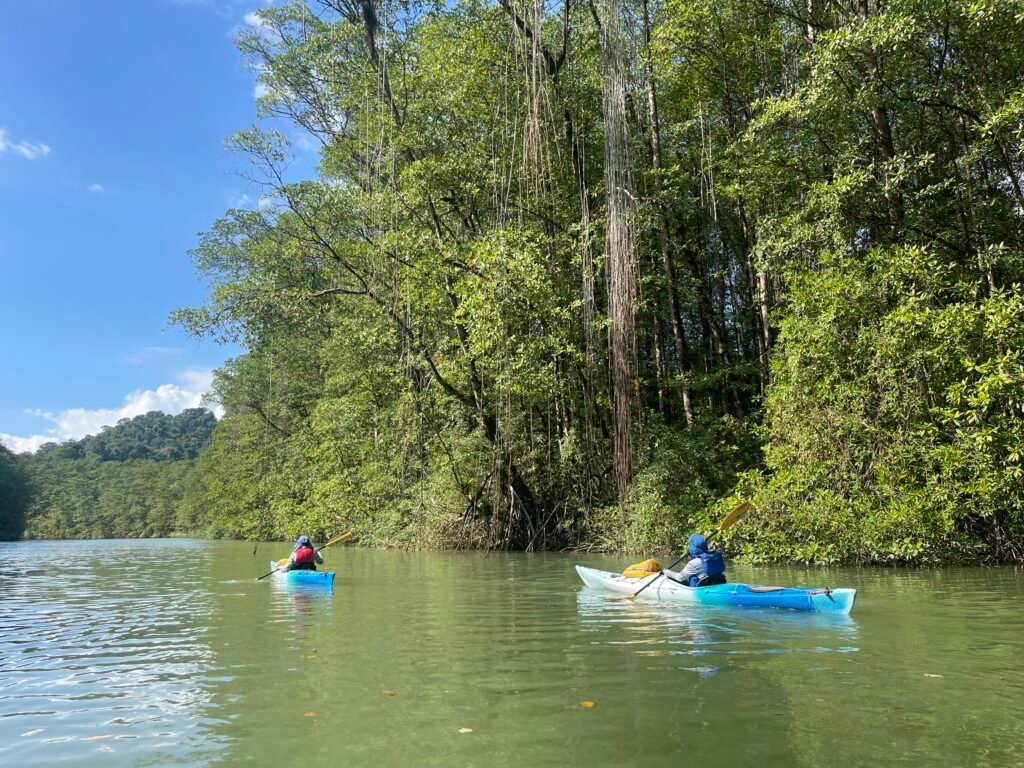
A sea turtle surfaces beside your kayak. Scarlet macaws cross the rainforest canopy. By evening, you pull up to a quiet beach or ecolodge with the day’s miles behind you. That is the appeal of a true paddling expedition – and it is why many travelers ask, can beginners do expedition kayaking without turning their vacation into an endurance test?
The short answer is yes, often they can. But “beginner-friendly” should never mean casual, unprepared, or left to figure things out alone. A well-designed guided expedition can introduce motivated first-time sea kayakers to multi-day travel in remarkable places, provided the route, weather window, equipment, group size, and guide support are all right for the guest.
Can Beginners Do Expedition Kayaking on a Guided Trip?
A beginner can join an expedition when the trip is built for beginners, not merely marketed to them. The distinction matters. Open-water crossings, heavy surf landings, strong tidal currents, and long days in exposed wind are legitimate challenges even for experienced paddlers. A professional outfitter evaluates those conditions before putting novice guests on the water.
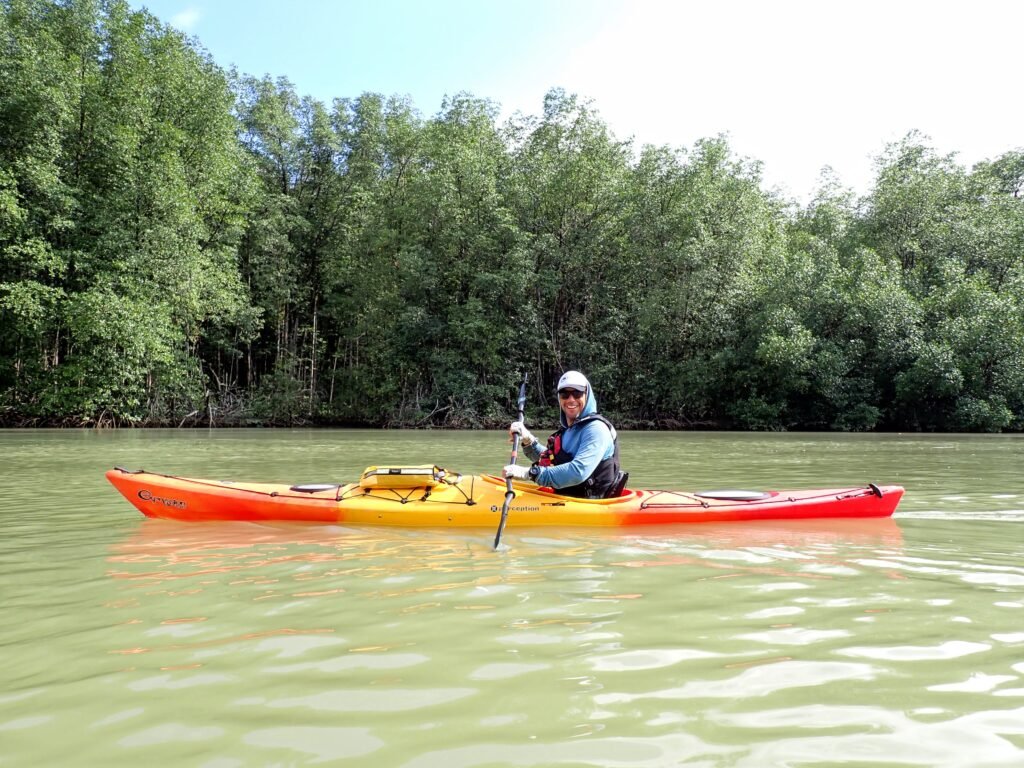
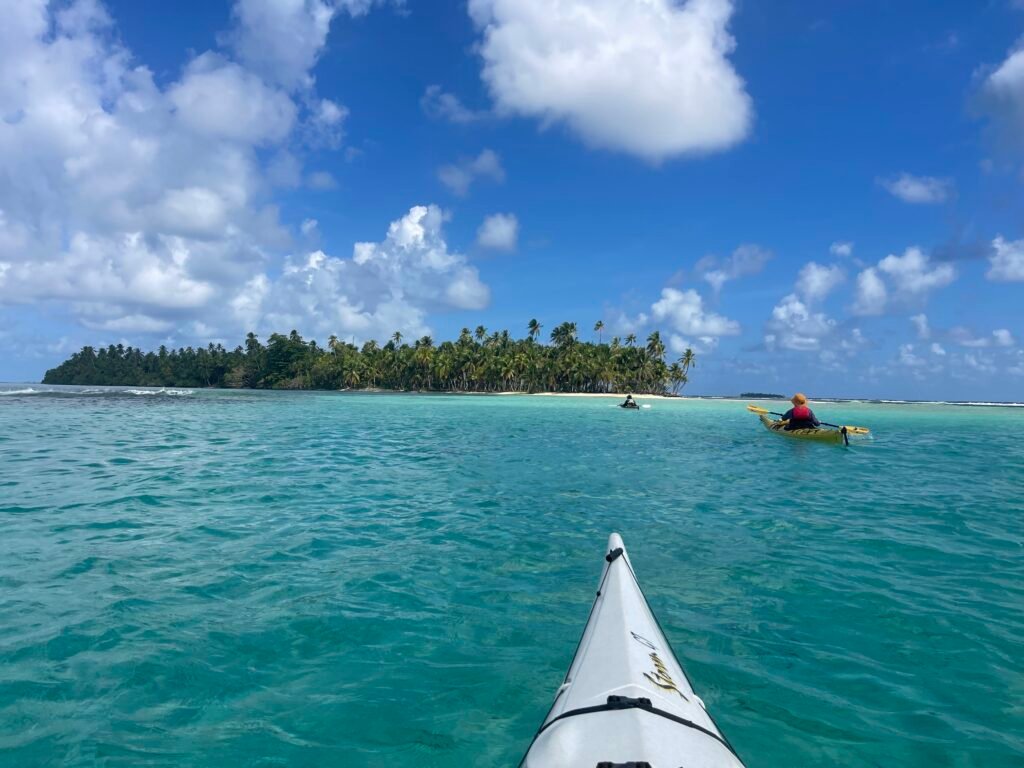
In Costa Rica and Panama, expedition kayaking does not have to mean battling rough seas every day. Routes may follow protected gulfs, mangrove-lined channels, calm coastal passages, or island chains where guides can choose the most suitable line for the conditions. The experience still feels remote and adventurous, but the daily plan has room for good judgment.
Guided trips remove many of the barriers that make a self-supported expedition unsuitable for a first-timer. You are not expected to plan landing sites, read unfamiliar local weather patterns, arrange food transport, select camps, or decide whether conditions call for a route change. That work happens behind the scenes, supported by guides who know the destination and its variables.
At Sea Kayaking Costa Rica, that support is part of the expedition itself: small groups, quality sea kayaks, carefully managed logistics, and guides focused on both the experience and the safety of every guest.
What “Beginner” Really Means
Being new to sea kayaking is not the same as being unprepared for an active trip. Most first-time expedition guests do not need advanced strokes or previous overnight paddling experience. They do need a realistic understanding of the physical and environmental demands.
Expect to paddle for several hours on many days, usually with breaks for swimming, snacks, wildlife viewing, snorkeling, or lunch. Your guides will teach key skills and help you settle into the boat, but you should arrive able to participate actively. The goal is not to race from point to point. It is to paddle steadily, enjoy the place, and have enough energy left to appreciate a rainforest walk or a sunset at camp.
A good beginner candidate is comfortable in and around water, can follow instruction, and approaches the trip with patience. You do not need to be a gym regular, but basic cardiovascular fitness and functional mobility make the first few days far more enjoyable. Getting in and out of a kayak, rotating through paddle strokes, and walking on uneven beaches all use the body differently than many travelers expect.
The Skills You Will Learn on the Water
A guided expedition begins with an orientation, not a test. Before heading out, guests should be introduced to their kayak, paddle, spray skirt if used, personal flotation device, and the basics of efficient forward paddling. Guides also cover communication, spacing, what to do if you capsize, and how the group operates on the water.
Most beginners improve quickly once they stop muscling the paddle. Sea kayaking is built around torso rotation, rhythm, and relaxed grip. A few simple adjustments can make a full day feel dramatically easier on the shoulders and wrists.
You may also learn basic steering strokes, edging concepts, and how to handle small waves. But the point of a guided beginner-accessible trip is not to turn you into an expert in a week. It is to give you the skills needed for that route while guides manage the more technical decisions.
Fitness Matters More Than Prior Experience
For a multi-day tropical kayaking trip, preparation is more valuable than prior paddling mileage. Start several weeks ahead if possible. Brisk walking, hiking, cycling, swimming, or any steady aerobic work will help build the endurance needed for consecutive active days.
Add a little attention to your core, back, shoulders, and hips. You do not need an elaborate training plan. Consistent movement, light strength work, and mobility exercises can make sitting in a kayak more comfortable and reduce fatigue when paddling into a breeze.
The most useful preparation is practical: spend time outdoors, get used to being active for a few hours, and test any clothing you plan to bring. Tropical sun, humidity, and occasional rain can feel more demanding than the mileage alone. Hydration, sun protection, and pacing are part of expedition fitness.
If you have a medical condition, a recent injury, or uncertainty about your ability to paddle on consecutive days, speak with your physician and the trip operator before booking. An honest conversation about the route and your needs is a sign of smart trip planning, not a lack of adventure.
Conditions Decide the Day
No responsible operator promises that every day will unfold exactly as printed on an itinerary. Wind can rise. Rain can move in. A swell can make one beach landing less appealing than another. In wildlife-rich tropical regions, the most memorable moments often happen because the group has the flexibility to slow down and pay attention.
That flexibility is especially important for beginners. Experienced local guides watch conditions and adapt the plan when needed. They may start earlier to take advantage of calmer morning water, choose a more protected route, alter a landing location, or build in a rest period. Those changes protect the group while keeping the expedition immersive.
This is also why a fixed distance is a poor way to judge whether a trip is beginner-friendly. Six miles on calm water with a following breeze may feel gentle. The same distance into wind, heat, and chop may be a serious effort. Look for an operator that talks clearly about daily paddling expectations, environmental conditions, and contingency plans.
Questions to Ask Before You Book
Before committing to an expedition, ask direct questions about the actual experience. The right outfitter should answer clearly, without minimizing the challenge or making the trip sound more technical than it is.
Consider these four areas:
- Daily paddling time: Ask for typical hours on the water, not just total distance.
- Water conditions: Find out whether the route includes open crossings, surf landings, currents, or sheltered paddling.
- Safety support: Ask about guide-to-guest ratios, communication systems, rescue training, and weather decisions.
- Comfort and logistics: Clarify the style of accommodations, baggage handling, meals, drinking water, and what gear is provided.
The answers reveal whether a trip is genuinely designed for your level. They also help you choose between a lodge-to-lodge journey, a camping-based route, or an itinerary that mixes paddling with cultural visits and wildlife exploration.
What Makes a Beginner Expedition Feel Exceptional
The best first expedition is not defined by how hard you pushed. It is defined by the access it gives you. From a sea kayak, you move quietly through places that larger boats cannot reach: a glassy mangrove corridor, a hidden Pacific cove, a Caribbean lagoon alive with birdsong, or a shoreline where the rainforest runs straight into the sea.
That intimacy is paired with earned confidence. On day one, the boat may feel unfamiliar. By day four, you may be reading the water better, paddling in a smooth rhythm, and looking forward to the next headland rather than wondering whether you can reach it. The transformation is real, but it happens because the expedition has a sensible structure around it.
Choose a route that matches your current ability, arrive prepared to be active, and give yourself permission to learn. Your first expedition kayak trip should leave you with tired arms, a clear head, and the satisfying feeling that the map has grown much bigger.