
Off the Beaten Path Costa Rica Tours That Deliver
July 13, 2026
What to Pack for a Kayaking Trip in Costa Rica
July 15, 2026
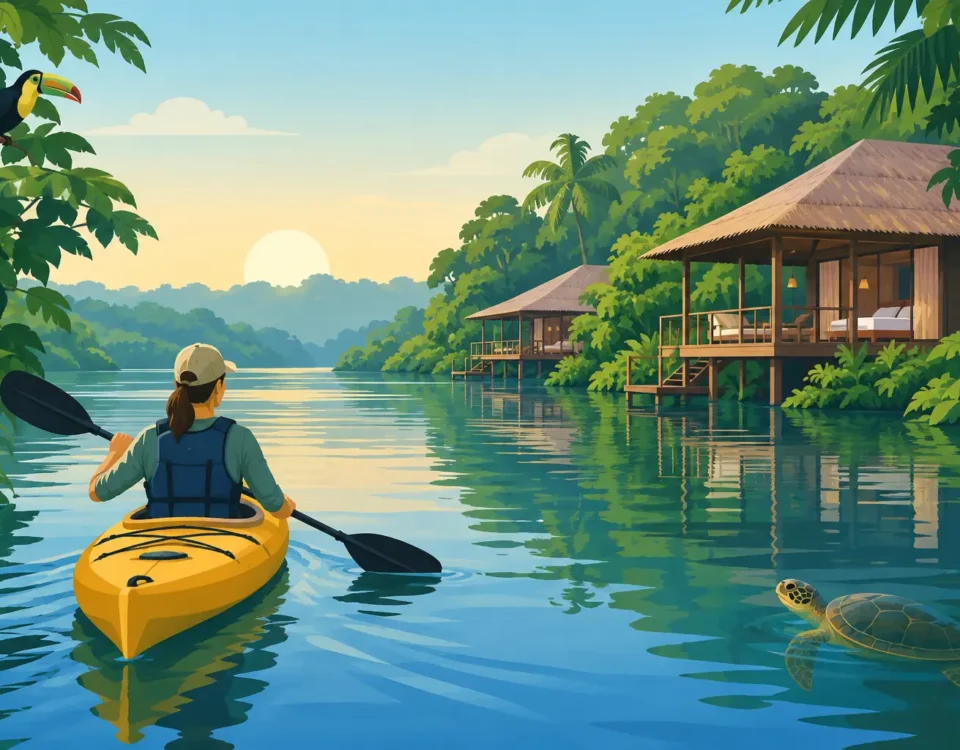
A humpback whale surfaces beyond the bow. Scarlet macaws cross the shoreline. A green rainforest rises straight from a quiet gulf. These are the moments that make a Costa Rica sea kayaking expedition unforgettable – and they are best experienced with a clear understanding of what makes tropical paddling safe.
So, is sea kayaking in Costa Rica safe? For well-prepared travelers on a professionally guided trip, it can be a very safe and rewarding way to experience the country’s wild coastlines. But sea kayaking is still an active outdoor pursuit. Conditions, route choice, guide expertise, equipment, and your own readiness all matter.
Is Sea Kayaking in Costa Rica Safe on a Guided Trip?
Costa Rica offers many protected paddling environments, from the calm waters of Golfo Dulce to jungle-fringed canals near Tortuguero. These regions can be far more forgiving than open-ocean routes, particularly when an itinerary is designed around sheltered water, realistic daily distances, and reliable landing options.
The key distinction is between heading out independently and traveling with a specialized expedition team. A good guide does far more than point out wildlife. They read local weather patterns, understand tides and currents, monitor group energy, select appropriate crossings, and know when changing the plan is the smartest call.
On a guided multi-day expedition, safety is built into the experience before the first paddle stroke. Routes are assessed for exposure, accommodations or camps are coordinated, support plans are in place, and the group receives an on-water orientation. That structure lets guests focus on the adventure rather than trying to solve unfamiliar logistical challenges in real time.
What Makes Costa Rica Sea Kayaking Challenging?
Costa Rica is tropical, wild, and wonderfully varied. That is exactly why conditions deserve respect. A sunny beach morning does not guarantee a flat afternoon on the water.
Weather Can Shift Quickly
Rainy-season showers are part of the landscape, especially on the Caribbean coast and in the southern Pacific. Rain itself is not always a problem, but storms can bring gusty winds, reduced visibility, and rougher water. Heat and humidity also affect paddlers more than they may expect, particularly those arriving from cooler North American climates.
Experienced guides plan early starts when conditions are generally calmer, watch forecasts closely, and keep schedules flexible. A strong expedition is not one that forces every planned mile. It is one that makes sound decisions while still delivering a memorable journey.
Wind, Swell, and Boat Traffic Vary by Location
Not all Costa Rican coastlines are equal for sea kayaking. Some sections of the Pacific are exposed to ocean swell and afternoon winds. Other areas, such as protected gulfs, mangrove channels, and sheltered island passages, offer more manageable conditions for a wide range of paddlers.
Boat traffic can also be a factor near towns, marinas, and popular fishing areas. Guides choose routes and crossing times carefully, maintain group visibility, and use communication and safety equipment appropriate to the location.
Remote Places Require Self-Reliance
Remote shoreline is part of the appeal. You may paddle past rainforest with no roads, no beach bars, and no crowds. It also means that a small issue – dehydration, a blister, a damaged paddle, or a sudden squall – needs to be managed calmly and competently.
That is why trip preparation, group equipment, first-aid capability, communication plans, and local knowledge are not optional extras. They are fundamental to responsible expedition travel.
The Safety Systems That Matter Most
When choosing a guided kayaking trip, look beyond broad claims about safety. Ask how the operator manages the practical realities of the route.
Quality sea kayaks should be stable, seaworthy, and properly fitted to the paddler. Each guest should have a properly sized personal flotation device, while guides should carry essential repair, rescue, first-aid, and communication gear. A pre-trip briefing should cover paddling technique, group formations, hydration, wildlife etiquette, and what to do if someone capsizes.
Guide-to-guest ratios matter as well. Small groups are safer and more enjoyable because guides can spot fatigue, refine technique, and respond quickly if conditions change. They also make for better wildlife encounters, quieter camps, and a more personal experience on the water.
At Sea Kayaking Costa Rica, expedition planning is centered on regional expertise rather than a one-size-fits-all itinerary. The goal is not to make every day feel extreme. It is to create an epic, well-managed journey through places where tropical nature still feels genuinely remote.
Do You Need Sea Kayaking Experience?
Not necessarily. Many travelers join guided Costa Rica kayaking trips with limited sea kayaking experience, provided they are comfortable around water, willing to learn, and reasonably active. The best trips match the route and pace to the group, rather than assuming everyone is an elite athlete.
You do not need perfect technique on day one. You do need the ability to sit in a kayak for several hours with breaks, paddle consistently, follow guide instructions, and stay positive when the weather is warm or a light rain moves through.
Prior paddling experience is helpful, especially for longer expeditions, but fitness and attitude often matter more. Travelers who regularly hike, cycle, swim, or participate in other active pursuits usually adapt well. If you have a shoulder, back, knee, or medical concern, discuss it honestly before booking. A reputable outfitter can help determine whether a specific itinerary is a good fit.
How to Make Your Trip Safer Before You Arrive
Preparation begins at home. Build some basic upper-body and core endurance in the weeks before departure, but do not overtrain. A few practice paddles, regular walks, swimming, and mobility work can make long days in the cockpit more comfortable.
Bring sun protection you will actually use: a brimmed hat, polarized sunglasses with a retainer, lightweight long sleeves, and reef-conscious sunscreen. Dehydration and sun exposure are among the most preventable issues on tropical trips. Drink steadily, not only when you feel thirsty.
Listen carefully during the first-day briefing. Learn how to adjust your foot braces and back support, how the group communicates on the water, and how to enter and exit a kayak safely at a beach landing. Ask questions early. Guides would always rather explain something twice than have a guest uncertain offshore.
Travel insurance that covers adventure activities and medical evacuation is also a smart choice for any remote international trip. It is not an indication that something will go wrong. It is simply part of traveling responsibly.
Wildlife Safety: Keep the Experience Wild
Costa Rica’s coast is alive with dolphins, sea turtles, monkeys, tropical birds, rays, and, seasonally, whales. Wildlife encounters are a highlight of paddling here because kayaks move quietly and sit low to the water.
The safest and most respectful rule is simple: observe, do not pursue. Keep a respectful distance, never block an animal’s path, and let your guides set the approach. This is especially relevant around whales, dolphins, nesting turtles, crocodiles in certain waterways, and animals with young.
Mosquitoes and other insects can be part of life around mangroves and rainforest camps, particularly near dawn and dusk. Lightweight coverage and insect repellent help. Your guides can also advise on local conditions and the best habits for each destination.
When Should You Reconsider a Sea Kayaking Trip?
Sea kayaking may not be the right choice if you have a severe fear of open water, cannot swim at all, have an unmanaged medical condition, or are unwilling to paddle in variable weather. There is no shame in choosing a land-based Costa Rica adventure instead. The right trip should feel exhilarating, not like an endurance test you are dreading.
It is also wise to reconsider if an operator promises that every day will be easy, every crossing will be flat, or weather will never affect the itinerary. Nature does not make those guarantees. Professionalism means acknowledging uncertainty and managing it well.
The strongest expeditions strike the balance active travelers want: enough challenge to feel the miles, enough support to relax into the experience, and enough flexibility to follow the best conditions available. Choose the right route, trust experienced guides, and you can spend less time worrying about what lies beyond the next headland – and more time noticing the whale breath, the jungle calls, and the quiet rhythm of your paddle.